2012: A Look Ahead
You don't need to be psychic to know where and when to be in the gay new year
Being that so much of the future is uncertain, it’s wise to pin down what you can. Will Nibiru materialize out of nowhere and give a boost to doomsday cred? Will Rick Santorum blaze a trail to the White House (giving another boost to doomsday cred)? Who can say?
In a universe of so much chaos, at least some variables are more or less fixed. Certainly, it will be a political year.

”We know it’s going to be a very, very busy year for us,” confirms Lateefah Williams, president of the Gertrude Stein Democratic Club, looking at the months ahead that include April 3 primaries and the Nov. 6 general election. ”Locally, we’re going to be very active. In addition to efforts in D.C., we’ll be in nearby swing states.”
Williams says election years also tend to bring more members into the fold. The same goes for her GOP counterpart, Robert Turner, president of the D.C. chapter of Log Cabin Republicans. ”I wasn’t around four years ago, but people tell me there’s an uptick during presidential elections,” he says. ”We have 50 or so members; we’re going to try to boost that to 100.”
LGBT Virginians will likely be busy keeping an eye on Ken Cuccinelli’s run for governor – in that the Republican attorney general has a grim reputation with the LGBT community – while Marylanders will be gunning for marriage equality and antidiscrimination protections for transgender people.
”This is going to be the year for all hands on deck,” says Carrie Evans, Equality Maryland’s new executive director. ”We’ve said that before, but 2012 is a window we have to get through.”

Among the new groups joining the effort for 2012 is the recently formed Gender Rights Maryland. With the tenacious Dr. Dana Beyer serving as executive director, there may be fireworks in Annapolis long before July.
Just days after the Maryland General Assembly begins its 2012 session, locals will come together to march in honor of Martin Luther King Jr., with a Jan. 16 parade. The LGBT contingent includes the Stein Democrats, the DC Coalition and The Center, D.C.’s LGBT community center.
The Center will be on the move in another regard in 2012.
”It’s possible we might have to move in July,” says David Mariner, The Center’s executive director, explaining that the organization’s U Street lease expires in June. ”We’re exploring our options. The Reeves Center has tons of empty storefront space. That would be an amazing opportunity for us.”
As The Center works through its 10th anniversary year, time will tell.
On the arts front, 2012 is also the year that will see the last hurrah of the DC Cowboys dance troupe, who have announced their farewell tour. One In Ten, on the other hand, says it’s full-steam ahead in 2012, though that may mean some tweaks to what’s on offer.
”We’re definitely talking about revitalizing the ‘Walk the Red Carpet‘ spring fundraiser,” says Lisa King, president of the LGBT arts and culture group that marked its 20th annual Reel Affirmations LGBT film festival in 2011. She adds that there are seats at the table for a few arts enthusiasts who might like to join the board and help the organization plot its path through 2012 and beyond.

It may not be where arts and politics collide, but plenty else does among sporting sort, also on the move in 2012. Team DC will bring back its dodgeball tourney, expand its ”Night Out” offerings and generally keep the ball moving.
”We want to do more events this year. We want to try to reach out to more women,” says Brent Minor, Team DC program director. That might mean adding a Night Out at the D.C. Divas women’s football in 2012, for example. Certainly, Team DC will be heading back to Night Out at the Mystics, begun in 2011, for women’s basketball. Minor also advises to keep an ear out for a possible big announcement from the sports coalition in July.
All in all, Nibiru or not, 2012 is shaping up to be a year to remember. It will have its highs and its lows, and even the mundane. To help you plan your own stellar 2012, what follows is a substantial list of just some of what’s heading our way in the new year.
JANUARY
TBA
DC Log Cabin Republicans hold a presidential forum
Date TBA
The Camden/Roosevelt, 2101 16th St. NW
7 p.m.
dclogcabin.org
THURSDAY, JAN. 5
Equality Maryland presents Montgomery County Welcomes Carrie Evans
McMillan Metro, Attorneys at Law, 1901 Research Blvd., Suite 500, Rockville
6-8 p.m.
410-685-6567
equalitymaryland.org
SUNDAY, JAN. 8
Equality Maryland Annual Meeting
Chevy Chase Town Hall
4301 Willow Lane, Chevy Chase, Md.
12:30 p.m.
(Members only)
410-685-6567
equalitymaryland.org

FRIDAY-MONDAY, JAN. 13-16
 Centaur MC presents Mid-Atlantic Leather Weekend
Hyatt Regency Washington on Capitol Hill, 400 New Jersey Ave. NW
Registration $180
(Many ancillary events)
leatherweekend.com
SATURDAY, JAN. 14
Team DC presents Night Out at the Wizards
Verizon Center, 601 F St. NW
7 p.m.
Tickets $20
(Available at Nellie’s Sports Bar or online)
teamdc.org
MONDAY, JAN. 16
Martin Luther King Jr. Day
mlkday.gov
MONDAY-FRIDAY, JAN. 23-27
No-Name Calling Week
nonamecallingweek.org
TUESDAY, JAN. 24
Equality Virginia Lobby Day 2012
Library of Virginia, 800 East Broad St., Richmond
(Concurrent online lobbying event)
8:30 a.m.-5 p.m.
804-643-4816
lobbyday@equalityvirginia.org
equalityvirginia.org
TUESDAY, JAN. 24
Mautner Project offers ”On the Bus,” mammogram/clinical breast exam/cervical exams
1875 Connecticut Ave. NW, Suite 710
9 a.m.-5 p.m.
Free transportation.
To register: Riana at 202-332-5536 or rbuford@mautnerproject.org
mautnerproject.org
WEDNESDAY-SUNDAY, JAN. 25-29
Creating Change: The National Gay and Lesbian Task Force’s National Conference on LGBT Equality
Hilton Baltimore, 401 West Pratt St., Baltimore
Regular registration $325
creatingchange.org
SATURDAY, JAN. 28
Brother, Help Thyself Grants Awards Ceremony
Remingtons, 639 Pennsylvania Ave. SE
2 p.m.
202-347-2246
brotherhelpthyself.org
(Snow date: Feb. 4)
FEBRUARY
Black History Month
TBA
Gertrude Stein Democratic Club holds two candidate-endorsement forums
Dates, venues and times TBA
steindemocrats.org
TBA
Marylander Faith for Equality and Equality Maryland hold Prayer Breakfast and Lobby Day
Annapolis
410-685-6567
equalitymaryland.org
TUESDAY, FEB. 7
National Black HIV/AIDS Awareness Day
blackaidsday.org
SATURDAY, FEB. 11
Rainbow Families Mid-Winter Family Dance
Washington Ethical Society, 7750 16th St. NW
6:30-9 p.m.
rainbowfamiliesdc.org
SATURDAY, FEB. 11
D.C. Radical Faeries present Feast of the Red Dragon
Venue TBA
Feast, 2-5 p.m.
Drum circle, 7-10 p.m.
dcradfaes.org
SUNDAY, FEB. 12
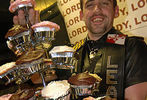 Scarlet’s Bake Sale
DC Eagle, 639 New York Ave. NW
Cake drop-off begins at noon, auction 3 p.m.
Beneficiaries TBA
202-347-6025
dceagle.com
MONDAY, FEB. 13
Equality Maryland Lobby Day
Annapolis
Time TBA
410-685-6567
equalitymaryland.org
TUESDAY, FEB. 14
Valentine’s Day
SATURDAY, FEB. 18
The Gay Men’s Chorus of Washington, D.C., is joined by Pittsburgh-based Dreams of Hope for The Kids Are All Right, featuring songs and stories from LGBT youth and allies
Lisner Auditorium, 730 21st St. NW
8 p.m.
Tickets $20-$50
202-293-1548
gmcw.org
SATURDAY, FEB. 18
Team DC presents fundraising Casino Night
Buffalo Billiards, Adirondack Room, 1330 19th St. NW
Time TBA
teamdc.org
TUESDAY, FEB. 21
Gay and Lesbian Activists Alliance holds special meeting to rate primary candidates
Venue and time TBA
glaa.org
 SUNDAY, FEB. 26
The Center presents Glamour, Glitter & Gold, Academy Awards viewing party
Town Danceboutique, 2009 8th St. NW
7:30 p.m.
General admission $20, VIP $50
202-682-2245
thedccenter.org
WEDNESDAY-MONDAY, FEB. 29-MARCH 5
National Gay and Lesbian Task Force Winter Party
Miami Beach, Fla.
winterparty.com
MARCH
Women’s History Month
 SATURDAY, MARCH 3
Servicemembers Legal Defense Network 20th Annual National Dinner
National Building Museum, 401 F St. NW
Reception, 6:30 p.m.
Dinner, 7:45 p.m.
Tickets $250 and higher
202-328-3244
sldn.org
 SATURDAY, MARCH 10
Team DC Fashion Show and Model Search, a fundraiser for the Team DC College Scholarship Fund
Town Danceboutique, 2009 8th St. NW
Time TBA
teamdc.org
WEDNESDAY, MARCH 14
Capital Area Gay & Lesbian Chamber of Commerce presents the Mega-Networking Event
Venue and time TBA
caglcc.org
FRIDAY-SUNDAY, MARCH 16-18
The Gay Men’s Chorus of Washington, D.C., presents an all-male cast of Richard O’Brien’s The Rocky Horror Show
Lisner Auditorium, 730 21st St. NW
8 p.m. Friday and Saturday, 3 p.m. Sunday
Tickets $20-$50
202-293-1548
gmcw.org
 SATURDAY, MARCH 17
Mautner Project gala and dance, ”Over the Rainbow”
Omni Shoreham Hotel, 2500 Calvert St. NW
Times TBA
Tickets $225
202-332-5536
gala.mautnerproject.org
SATURDAY, MARCH 24
6th annual Capital Queer Prom, celebrating ”Carnival Extravaganza”
Almas Shriners Ballroom, 1315 K St. NW
7:30-11:30 p.m.
$85
(After-party at Cobalt, 1639 R St. NW)
capitalqueerprom.com
SATURDAY, MARCH 24
Miss Gay DC America Pageant honoring Miss Gay America 2012 Kirby Kolby
Town Danceboutique, 2009 8th St. NW
6:30 p.m.
Tickets $10
missgaydcamerica.com
SUNDAY, MARCH 25
Capital Queer Prom brunch
Nellie’s Sports Bar, 900 U St. NW
11 a.m.-2 p.m.
$105 (includes admission to March 24 prom)
capitalqueerprom.com
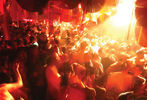 THURSDAY-SUNDAY, MARCH 29-APRIL 1
Cherry Fund presents 15th annual Cherry Weekend
Multiple venues
Weekend pass $125
cherryfund.org
SATURDAY, MARCH 31
D.C.’S Different Drummers spring concert
Venue, times and tickets TBA
202-403-3669
dcdd.org
APRIL
TUESDAY, APRIL 3
D.C. Primary Election
THURSDAY, APRIL 12
Team DC presents Spring SportsFest
Venue and time TBA
teamdc.org
SATURDAY, APRIL 14
Equality Virginia’s 9th Annual Commonwealth Dinner
Greater Richmond Convention Center
403 North 3rd St., Richmond
804-643-4816
equalityvirginia.org
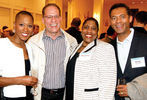 SUNDAY, APRIL 15
Victory Fund National Champagne Brunch, featuring Rep. Tammy Baldwin
Washington Hilton, 1919 Connecticut Ave. NW
11 a.m.-2 p.m.
Tickets $150
202-842-8679
victoryfund.org
THURSDAY, APRIL 19
Whitman-Walker Health Spring Gala
Carnegie Institution, 1530 P St. NW
6:30 p.m.
Tickets TBA
202-745-7000
whitman-walker.org
FRIDAY, APRIL 20
Day of Silence
dayofsilence.org
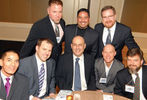 FRIDAY, APRIL 20
Capital Area Gay & Lesbian Chamber of Commerce Annual Awards Dinner
The Liaison Capitol Hill, 415 New Jersey Ave. NW
Tickets and time TBA
caglcc.org
SATURDAY, APRIL 21
Team DC Embassy Wine Tasting
Venue and time TBA
teamdc.org
SATURDAY, APRIL 21
Potomac Fever and Rock Creek Singers of GMCW join to present Together Again
New York Avenue Presbyterian Church, 1313 New York Ave. NW
5 p.m. and 8 p.m.
Tickets $35
202-293-1548
gmcw.org
SUNDAY, APRIL 22
D.C.’s Different Drummers hold an open house for the marching band’s 2012 season
Venue, time TBA
202-403-3669
dcdd.org
 THURSDAY, APRIL 26
Metro Weekly Next Generation Awards
Venue and time TBA
202-638-6830
MetroWeekly.com
THURSDAY, APRIL 26
Dining Out for Life to benefit Food & Friends
diningoutforlife.com/washingtondc
 SATURDAY, APRIL 28
Youth Pride Day
(Rain date: May 5)
Dupont Circle
Noon-5 p.m.
youthpridedc.org
MAY
Asian American and Pacific Islander Heritage Month
Metro Weekly turns 18!
FRIDAY, MAY 18
HIV Vaccine Awareness Day
bethegeneration.nih.gov
SATURDAY, MAY 19
Team DC presents fundraising Casino Night
Buffalo Billiards, Adirondack Room, 1330 19th St. NW
Time TBA
teamdc.org
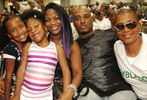 WEDNESDAY-SUNDAY, MAY 23-27
DC Black Pride, ”It’s a Family Affair”
Host hotel TBA
dcblackpride.org
FRIDAY, MAY 24
Whitman-Walker Health presents the ”Going the Extra Mile” benefit for its Legal Services office
House of Sweden, 2900 K St. NW
6:30 p.m.
Tickets TBA
202-745-7000
whitman-walker.org
WEDNESDAY-SUNDAY, MAY 30-JUNE 3
Gay Days Orlando, featuring the Walt Disney World Resort
gaydays.com
WEDNESDAY-SUNDAY, MAY 30-JUNE 10
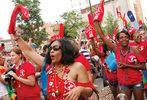
Capital Pride
capitalpride.org
JUNE
TBA
DC Leather Pride
Dates, venue and time TBA
dcleatherpride.com
TBA
Capital Trans Pride
Date, venue and time TBA
202-719-5304, ext. 730
capitalpride.org/transpride
 TBA
TBA
Pride of Pets
Dupont Circle
Date and time TBA
202-234-PETS
petsdc.org
SATURDAY-SUNDAY, JUNE 2-3
The Gay Men’s Chorus of Washington, D.C., presents Heart Throbs
Lisner Auditorium, 730 21st St. NW
Saturday at 8 p.m., Sunday at 3 p.m.
Tickets $20-$50
202-293-1548
gmcw.org
FRIDAY, JUNE 8
DC Latino Pride
Venue and time TBA
latinoglbthistory.com
SATURDAY, JUNE 9
Capital Pride Parade
capitalpride.org

SUNDAY, JUNE 10
Capital Pride Festival
capitalpride.org
TUESDAY, JUNE 19
Team DC Night Out at the Nationals
Nationals Park
Time and tickets TBA
teamdc.org
TUESDAY, JUNE 26
Food & Friends presents 22nd annual Chef’s Best
Venue, time and tickets TBA
202-269-2277
foodandfriends.org
WEDNESDAY, JUNE 27
National HIV Testing Day
napwa.org
JULY
 TBA
TBA
Baltimore Pride
Dates and venues TBA
410-837-5445
baltimorepride.org
FRIDAY-SATURDAY, JULY 20-21
National Gay Men’s Health Summit
George Washington University
gmhs2012.org
SUNDAY-FRIDAY, JULY 22-27
XIX International AIDS Conference (AIDS 2012)
Walter E. Washington Convention Center, 801 Mount Vernon Place NW
aids2012.org
AUGUST
FRIDAY-SATURDAY, AUG. 3-4
The Center presents the OutWrite LGBT Book Fair
1318 U St. NW
202-682-2245
outwritedc.org
 SATURDAY, AUG. 4
Chesapeake Pride Festival
Mayo Beach Park, 4150 Honeysuckle Drive, Edgewater, Md.
Noon-6 p.m.
410-353-5534
chesapeakepridefestival.org
WEDNESDAY-MONDAY, AUG. 29-SEPT. 3
Southern Decadence
New Orleans
southerndecadence.net
SEPTEMBER
TBA
Sexual Minority Youth Assistance League (SMYAL) Annual Fall Brunch
202-546-5940
smyal.org
TBA
National Black Justice Coalition’s Out on the Hill annual lobby event
Dates and venue TBA
202-319-1552
nbjc.org
 TBA
TBA
Brother, Help Thyself’s Gay and Lesbian Night at Kings Dominion
Date, time and tickets TBA
202-347-2246
brotherhelpthyself.org
SEPT. 15-OCT. 15
National Hispanic Heritage Month
SATURDAY, SEPT. 22
Team DC’s 2nd annual Dodgeball Tournament
Venue and time TBA
teamdc.org
THURSDAY, SEPT. 27
National Gay Men’s HIV/AIDS Awareness Day
napwa.org
SATURDAY, SEPT. 29
Team DC Champions Awards Reception
Venue, Times and tickets TBA
teamdc.org
OCTOBER
TBA
One In Ten presents Reel Affirmations 21
Dates, venues, etc. TBA
oneinten.org
 SATURDAY, OCT. 6
Human Rights Campaign National Dinner
Venue, time and tickets TBA
hrcnationaldinner.org
THURSDAY, OCT. 11
National Coming Out Day
MONDAY, OCT. 15
National Latino AIDS Awareness Day
latinoaids.org
 SATURDAY, OCT. 27
26th Annual AIDS Walk Washington, benefiting Whitman-Walker Health and community partners
Freedom Plaza, Pennsylvania Avenue & 13th Street NW
Times, donation rates TBA
202-332-WALK
aidswalkwashington.org
TUESDAY, OCT. 30
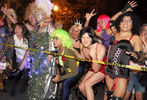
26th Annual High Heel Race
17th Street NW, between P and S Streets
6 p.m., race at 9 p.m.
highheelracedc.com
NOVEMBER
TUESDAY, NOV. 6
Election Day
SATURDAY, NOV. 17
Team DC presents fundraising Casino Night
Buffalo Billiards, Adirondack Room, 1330 19th St. NW
Time TBA
teamdc.org
TUESDAY, NOV. 20
Transgender Day of Remembrance
transgenderdor.org
DECEMBER
SATURDAY, DEC. 1
World AIDS Day
FRIDAY, DEC. 14
Team DC Holiday Party
Venue and time TBA
teamdc.org
FRIDAY, DEC. 21
Date with Nibiru
Actuality TBA
Support Metro Weekly’s Journalism
These are challenging times for news organizations. And yet it’s crucial we stay active and provide vital resources and information to both our local readers and the world. So won’t you please take a moment and consider supporting Metro Weekly with a membership? For as little as $5 a month, you can help ensure Metro Weekly magazine and MetroWeekly.com remain free, viable resources as we provide the best, most diverse, culturally-resonant LGBTQ coverage in both the D.C. region and around the world. Memberships come with exclusive perks and discounts, your own personal digital delivery of each week’s magazine (and an archive), access to our Member's Lounge when it launches this fall, and exclusive members-only items like Metro Weekly Membership Mugs and Tote Bags! Check out all our membership levels here and please join us today!