“All of those who have been invisible will now be visible to themselves and the whole world.”
— Hawaii Gov. Neil Abercrombie before signing marriage equality into law after lawmakers voted to legalize same-sex marriage in the Aloha State yesterday.
Alexandria City Councilman R. Kirk McPike won Tuesday’s Democratic firehouse primary for a seat in the Virginia House of Delegates.
The openly gay McPike, who works as chief of staff for U.S. Rep. Mark Takano (D-Calif.), secured 60.5% of the vote in the four-way race among Democrats in the 5th House District.
Eileen Cassidy Rivera, a former Alexandria City School Board member, placed second, finishing ahead of criminal defense attorney Chris Leibig and Gregory Darrall, an openly gay teacher and labor leader.
These are challenging times for news organizations. And yet it’s crucial we stay active and provide vital resources and information to both our local readers and the world. So won’t you please take a moment and consider supporting Metro Weekly with a membership? For as little as $5 a month, you can help ensure Metro Weekly magazine and MetroWeekly.com remain free, viable resources as we provide the best, most diverse, culturally-resonant LGBTQ coverage in both the D.C. region and around the world. Memberships come with exclusive perks and discounts, your own personal digital delivery of each week’s magazine (and an archive), access to our Member's Lounge when it launches this fall, and exclusive members-only items like Metro Weekly Membership Mugs and Tote Bags! Check out all our membership levels here and please join us today!

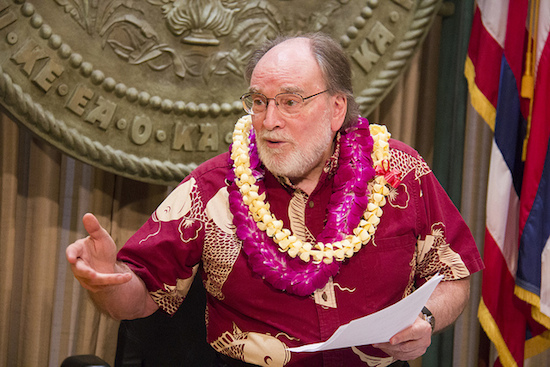 “All of those who have been invisible will now be visible to themselves and the whole world.”