A majority of bias-related crimes in D.C. target members of the LGBTQ community, according to city officials.
Crimes targeting victims because of their gender identity or expression have increased 90 percent from 2015, and crimes targeting victims because of their sexual orientation are up 48 percent during that same time period.
The statistics, released at a press conference Friday morning, also show a significant increase in crimes targeting victims because of their ethnicity or national origin and religion.
There was a 300 percent increase in crimes targeting victims because of their national origin or ethnicity, and a 260 percent increase in crimes targeting victims because of their religion.
Based on statistics collected by MPD, the total number of reported bias-related crimes increased 62 percent, up from 66 incidents in 2015 to 107 in 2016.
At that meeting, held at Sixth & I Synagogue in downtown Washington, Mayor Muriel Bowser and Acting Metropolitan Police Department Chief Peter Newsham appeared with other government officials, religious leaders, and community members to encourage residents who witness such crimes to report them, and outline how the District is responding to such incidents.
Newsham noted that of the 18 such events where religion was the motivating factor, 12 had targeted members of the Jewish community.
“Although the number of reported hate crimes is only a small fraction of the overall crime in our city, we think it’s important to know about this increase so we can collectively work on addressing it,” Newsham said. “We will not accept this increase as the new norm.”
The total number of crimes committed against victims because of their gender identity in 2016 increased to 19, and those committed because of sexual orientation increased to 40. That means that anti-LGBTQ crimes constituted the majority of bias-related incidents committed in D.C. last year.
However, those statistics come with caveats, namely that the reported number of crimes could be increasing not because more are happening, but due to increased trust and better relationships between police and community members, resulting in more residents being comfortable reporting such incidents to police.
The increase could also be attributed to better detection of hate crimes, due to recent moves by MPD to train and retrain officers on how to respond when they suspect a crime has been motivated by bias.
“We, of course, want to see the number of hate crimes brought down to zero,” Bowser said in prepared remarks. “However, the increases that we’re seeing show that our residents are more comfortable and more knowledgeable about reporting unlawful behavior and harmful treatment.”
Responding to follow-up questions from reporters, Newsham noted that while members of the public have expressed greater anxiety since last November’s election, there has been no spike in bias-related crimes that can be directly tied to any particular event. Rather, the increase was more gradual and occurred throughout the year.
In order to make residents more comfortable with the idea of reporting bias-related crimes, MPD has reached out to Jewish and Islamic institutions, as well as to immigrant communities and others who have historically been the targets of bias-related incidents. The D.C. government, through its offices of community affairs and particularly the Office of Human Rights, has also undertaken efforts to educate the public about the protections ensconced for various communities within D.C.’s robust Human Rights Act, including the ability of transgender individuals to be treated equally and in accordance with their gender identity.
“In Washington, D.C., we value diversity and inclusivity and want all of our residents and visitors to feel safe,” Bowser added. “No matter your race, your faith, your sexual orientation, your gender identity, your background — you should be able to live, work and play in Washington, D.C. without fear of violence or discrimination. … We all have a duty, not just in government, but in our neighborhoods, churches, and in our lives to make sure we’re promoting a culture of inclusivity.”
A gay couple from Chicago who had been living in Mexico City before disappearing in May were found dead in a mass grave alongside two other bodies.
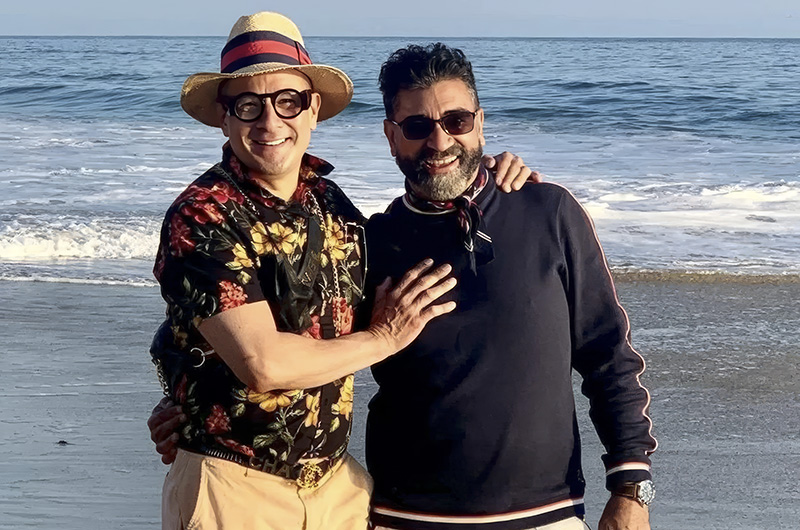
Zafar Padamsee Mawani, 56, a U.S. citizen, and Guillermo Jaffet Hidalgo Ortiz, 56, moved from Chicago to Mexico City in October, settling in the capital's far southern reaches, Ortiz's niece told Chicago ABC affiliate WLS-TV.
The men were reportedly planning to pick up a chairlift for Mawani's elderly mother, who has Alzheimer's disease, on May 20 when they disappeared without a trace. The sellers had asked the couple to meet at Mawani's mother's home, where the chairlift was being installed, to complete the purchase. Before losing contact, the men shared their real-time location with a friend.
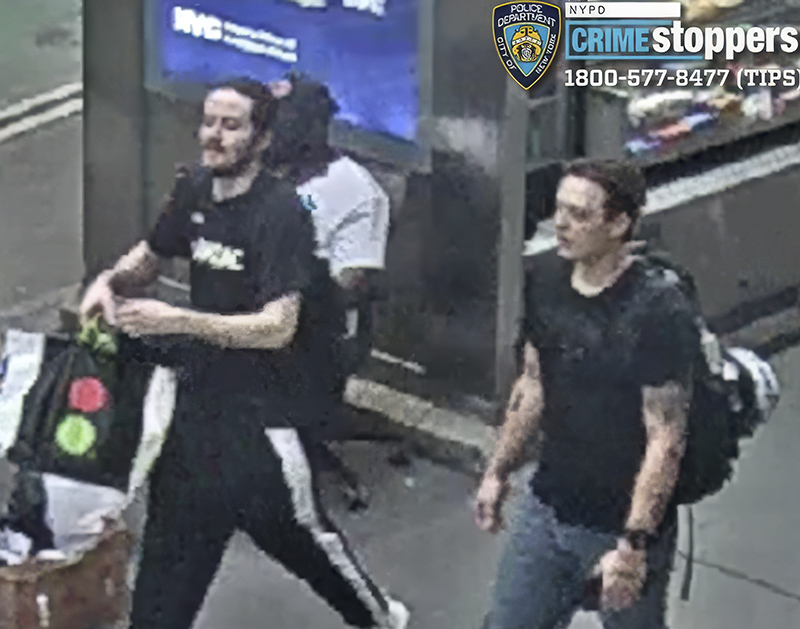
Two men were beaten and subjected to anti-gay slurs in what police believe was a bias-motivated attack in downtown Manhattan last month.
The victims, ages 31 and 37, were walking on Broadway near West 29th Street around 7:30 p.m. on July 31 when two men approached them and made anti-LGBTQ remarks, according to the New York Daily News.
The assailants then repeatedly punched and kicked the victims while shouting homophobic slurs, according to police. The suspects fled south on Broadway.
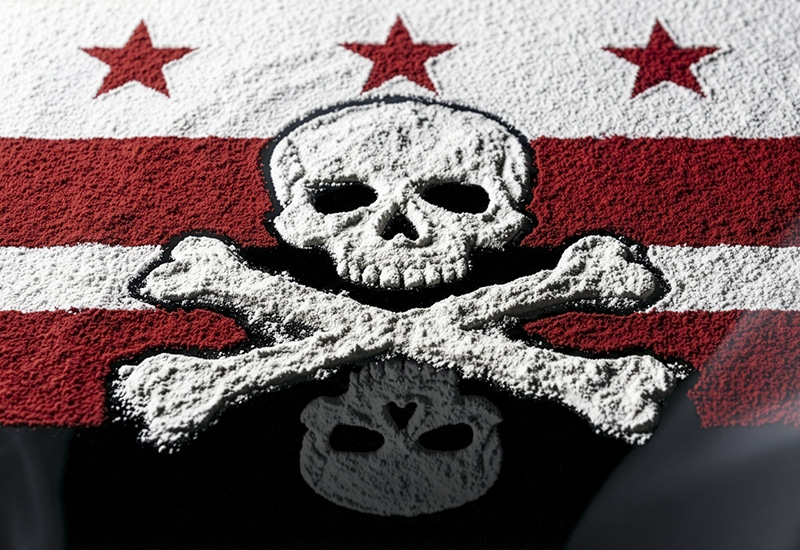
HIPS is warning residents after a recent spike in drug overdoses across the District.
The Washington, D.C.-based LGBTQ-affirming harm reduction nonprofit posted a warning on Instagram urging residents to take precautions to avoid overdoses, particularly during the July Fourth holiday weekend. The organization also cited the ongoing heat wave and poor air quality, warning that both can increase the risk of overdose.
Cyndee Clay, HIPS' executive director, told Metro Weekly that the organization has seen an increase in nonfatal overdoses across the District, according to data from the DC Department of Behavioral Health, which is based on reports from DC Fire and Emergency Medical Services.
These are challenging times for news organizations. And yet it’s crucial we stay active and provide vital resources and information to both our local readers and the world. So won’t you please take a moment and consider supporting Metro Weekly with a membership? For as little as $5 a month, you can help ensure Metro Weekly magazine and MetroWeekly.com remain free, viable resources as we provide the best, most diverse, culturally-resonant LGBTQ coverage in both the D.C. region and around the world. Memberships come with exclusive perks and discounts, your own personal digital delivery of each week’s magazine (and an archive), access to our Member's Lounge when it launches this fall, and exclusive members-only items like Metro Weekly Membership Mugs and Tote Bags! Check out all our membership levels here and please join us today!







You must be logged in to post a comment.