A coalition of 32 LGBTQ organizations has written a letter to U.S. Senators Chuck Grassley (R-Iowa) and Dianne Feinstein (D-Calif.) asking them to reject the nomination of federal prosecutor Ryan Bounds to a seat on the 9th U.S. Circuit Court of Appeals.
The letter, signed by a number of national, state, and local LGBTQ organizations, asks Grassley and Feinstein, the chairman and ranking member of the Senate Judiciary Committee, to oppose Bounds because of past writings expressing hostility towards the LBGTQ community and people of color, and because of his overall “lack of judgment.”
The letter cites multiple examples of writings by Bounds when he was the opinions editor of the Stanford University Review. Bounds wrote that activism from “overly-sensitive” racial minorities and LGBTQ people would lead to a “pestilence” that “stalks us” and “threatens to corrupt our scholastic experience.”
For example, Bounds claimed that students offended by “nerdy Asian” stereotypes were the result of “sensitivity, finely tuned by years of multiculturalism.”
He also adds that efforts by non-white students who “divide up by race for their feel-good ethnic hoedowns…seem always to contribute more to restricting consciousness, aggravating intolerance, and pigeonholing cultural identities than many a Nazi bookburning.”
Bounds frequently wrote about racial sensitivity and bemoaned what he felt were attacks against white males, rejecting the idea that there was any systematic racism whatsoever.
Following the vandalism of a gay pride statute by athletes, Bounds expressed concern about the athletes’ rights, and criticized the university’s decision to provide financial support for the on-campus LGBT center as a result of the incident.
In yet another commentary, Bounds criticized allowing campus officials to address incidents of sexual assault except in those cases where there is sufficient evidence that would prove “beyond a reasonable doubt” that any assault occurred.
In that piece, he worried about the lack of protections for those who might be falsely accused of rape, alleging that false accusations are rampant and dismissing the idea that a victim might be reticent to come forward and report a rape or assault.
“Mr. Bounds’ disturbing writings on these subjects not only shed light on his personal views, but also demonstrate a temperament and lack of judgment that renders him fundamentally unsuitable for a lifetime position of public trust on the federal bench, the letter reads.
The LGBTQ groups criticize Bounds for failing to disclose the writings to the Oregon bipartisan judicial commission, questioning his candor and “willingness to adhere to the rule of law even when it leads to results with which he is personally uncomfortable.”
They also argue that, even though the writings were done more than 20 years ago, similar controversies have been used by Republicans in the past to block judicial nominees. And even more importantly, those writings indicate feelings or opinions that Bounds once held — and may still, given that he’s never explicitly disavowed his past comments.
“[T]hese views were not merely expressed in casual dorm-room conversation,” the letter reads. “Rather, Mr. Bounds used his platform as the opinions editor at one of the country’s most prestigious universities to advance these disparaging views about LGBT people, people of color, and sexual assault advocates. More importantly, however, it is far from clear that Mr. Bounds’ views on these issues have, in fact, changed in any material way…. Consequently, any attempt to dismiss these writings as merely some youthful transgressions is disingenuous at best.”
Finally, the LGBTQ groups point that Bounds, a native Oregonian, does not have the support of either of his home state senators — which historically would have denied him a committee hearing, let alone a confirmation vote. They urge the Judiciary Committee to honor the “blue-slip process,” by which a nominee’s home state senators have a say over whether a nomination moves forward.
“By moving ahead with Mr. Bounds’ nomination, the Senate Judiciary Committee disrespects not only the individual Senators whose concerns are being overridden, but also undermines the credibility of the Senate as an institution,” the groups write. “The Senate’s constitutional duty to provide meaningful advice and consent is being cast aside in favor of a highly partisan effort to pack the courts with nominees whose records are replete with disturbing and disqualifying information (when the nominees even deign to disclose such information at all).”
Sharon McGowan, the director of strategy at Lambda Legal, which signed onto the letter, echoed concerns about the Trump administration’s attempt to stack the courts with conservative ideologues who hold discriminatory views.
“The American people want judges who will protect everyone’s rights and freedoms, no matter who you are or where you come from — not columnists who trivialize the pain and suffering of minorities,” McGowan said in a statement. “President Trump has effectively purchased 10 percent of the real estate in our federal appellate court system and he hopes to add to his growing monopoly with the nomination of Mr. Bounds, another nominee with a record replete with explicit anti-LGBT bias.”
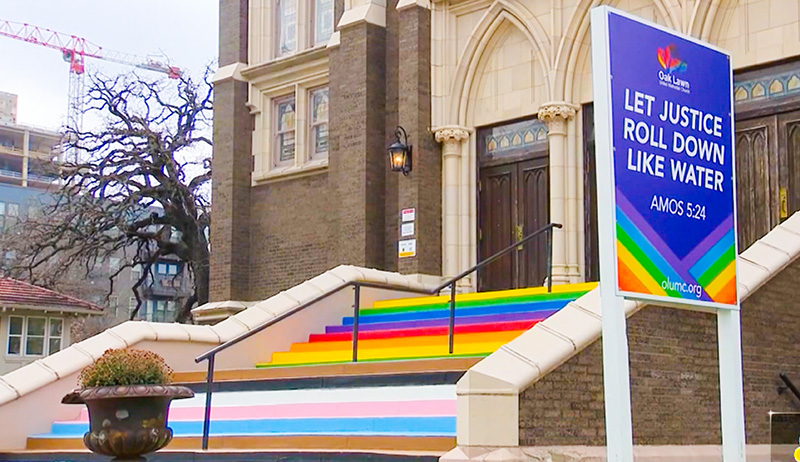
The Dallas Landmark Commission unanimously approved rainbow-colored steps outside Oak Lawn United Methodist Church as a temporary art installation, allowing the display to remain for up to three years despite objections that they violate historic preservation codes.
As a designated historic site, Oak Lawn United Methodist Church is required to seek city approval before making major exterior changes, including paint colors, according to Dallas-area PBS/NPR affiliate KERA.
The LGBTQ-welcoming church did not submit an application to the landmark commission before repainting its exterior steps in the colors of the "Progress Pride" flag, incorporating the traditional rainbow along with black and brown stripes and the blue, pink, and white of the transgender Pride flag.
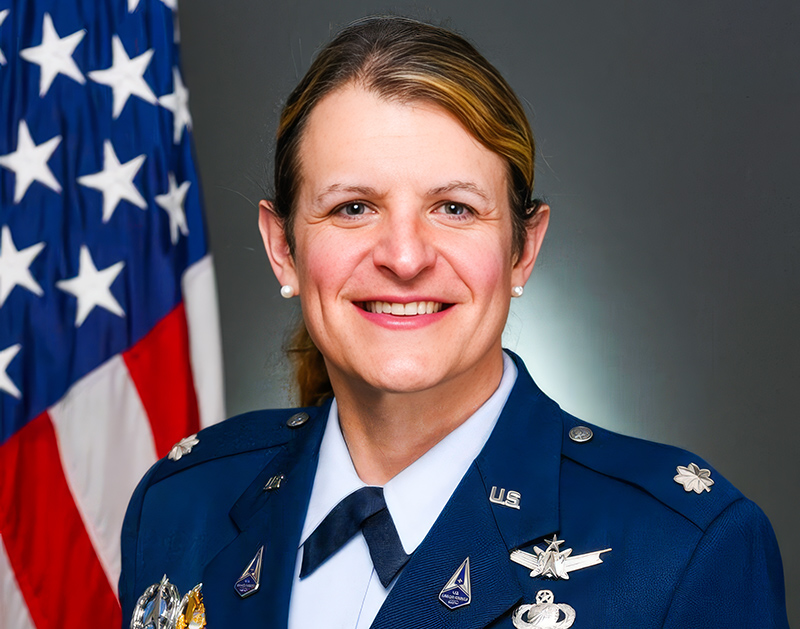
Col. Bree Fram, a former Space Force officer forced to retire under the Trump administration's ban on transgender service members, has launched a campaign to represent Virginia in Congress, raising more than $102,000 in her first 24 hours as an official candidate.
An engineer by trade, Fram served 23 years in the military, including deployments to Iraq and Qatar with the U.S. Air Force during the Iraq War. She later became an officer in the U.S. Space Force and, in 2024, became the first transgender service member promoted to the rank of colonel. She was also named to Out magazine’s "Out 100" list of influential LGBTQ people that year.
The U.S. Supreme Court on Tuesday signaled it may uphold state bans barring transgender girls and women from competing on female-designated sports teams during oral arguments in two closely watched cases.
Lower courts previously ruled in favor of the two transgender athletes, who challenged bans in Idaho and West Virginia -- two of the 27 states that have enacted laws banning people assigned male at birth from competing on female sports teams.
Proponents of restricting transgender participation argue that people who are assigned male at birth and undergo male puberty prior to transitioning retain physiological advantages that give them an unfair edge over cisgender female competitors.
These are challenging times for news organizations. And yet it’s crucial we stay active and provide vital resources and information to both our local readers and the world. So won’t you please take a moment and consider supporting Metro Weekly with a membership? For as little as $5 a month, you can help ensure Metro Weekly magazine and MetroWeekly.com remain free, viable resources as we provide the best, most diverse, culturally-resonant LGBTQ coverage in both the D.C. region and around the world. Memberships come with exclusive perks and discounts, your own personal digital delivery of each week’s magazine (and an archive), access to our Member's Lounge when it launches this fall, and exclusive members-only items like Metro Weekly Membership Mugs and Tote Bags! Check out all our membership levels here and please join us today!




A coalition of 32 LGBTQ organizations has written a letter to U.S. Senators Chuck Grassley (R-Iowa) and Dianne Feinstein (D-Calif.) asking them to reject the nomination of federal prosecutor Ryan Bounds to a seat on the 9th U.S. Circuit Court of Appeals.
The letter, signed by a number of national, state, and local LGBTQ organizations, asks Grassley and Feinstein, the chairman and ranking member of the Senate Judiciary Committee, to oppose Bounds because of past writings expressing hostility towards the LBGTQ community and people of color, and because of his overall “lack of judgment.”
The letter cites multiple examples of writings by Bounds when he was the opinions editor of the Stanford University Review. Bounds wrote that activism from “overly-sensitive” racial minorities and LGBTQ people would lead to a “pestilence” that “stalks us” and “threatens to corrupt our scholastic experience.”
For example, Bounds claimed that students offended by “nerdy Asian” stereotypes were the result of “sensitivity, finely tuned by years of multiculturalism.”
He also adds that efforts by non-white students who “divide up by race for their feel-good ethnic hoedowns…seem always to contribute more to restricting consciousness, aggravating intolerance, and pigeonholing cultural identities than many a Nazi bookburning.”
Bounds frequently wrote about racial sensitivity and bemoaned what he felt were attacks against white males, rejecting the idea that there was any systematic racism whatsoever.
Following the vandalism of a gay pride statute by athletes, Bounds expressed concern about the athletes’ rights, and criticized the university’s decision to provide financial support for the on-campus LGBT center as a result of the incident.
In yet another commentary, Bounds criticized allowing campus officials to address incidents of sexual assault except in those cases where there is sufficient evidence that would prove “beyond a reasonable doubt” that any assault occurred.
In that piece, he worried about the lack of protections for those who might be falsely accused of rape, alleging that false accusations are rampant and dismissing the idea that a victim might be reticent to come forward and report a rape or assault.
“Mr. Bounds’ disturbing writings on these subjects not only shed light on his personal views, but also demonstrate a temperament and lack of judgment that renders him fundamentally unsuitable for a lifetime position of public trust on the federal bench, the letter reads.
The LGBTQ groups criticize Bounds for failing to disclose the writings to the Oregon bipartisan judicial commission, questioning his candor and “willingness to adhere to the rule of law even when it leads to results with which he is personally uncomfortable.”
They also argue that, even though the writings were done more than 20 years ago, similar controversies have been used by Republicans in the past to block judicial nominees. And even more importantly, those writings indicate feelings or opinions that Bounds once held — and may still, given that he’s never explicitly disavowed his past comments.
“[T]hese views were not merely expressed in casual dorm-room conversation,” the letter reads. “Rather, Mr. Bounds used his platform as the opinions editor at one of the country’s most prestigious universities to advance these disparaging views about LGBT people, people of color, and sexual assault advocates. More importantly, however, it is far from clear that Mr. Bounds’ views on these issues have, in fact, changed in any material way…. Consequently, any attempt to dismiss these writings as merely some youthful transgressions is disingenuous at best.”
Finally, the LGBTQ groups point that Bounds, a native Oregonian, does not have the support of either of his home state senators — which historically would have denied him a committee hearing, let alone a confirmation vote. They urge the Judiciary Committee to honor the “blue-slip process,” by which a nominee’s home state senators have a say over whether a nomination moves forward.
“By moving ahead with Mr. Bounds’ nomination, the Senate Judiciary Committee disrespects not only the individual Senators whose concerns are being overridden, but also undermines the credibility of the Senate as an institution,” the groups write. “The Senate’s constitutional duty to provide meaningful advice and consent is being cast aside in favor of a highly partisan effort to pack the courts with nominees whose records are replete with disturbing and disqualifying information (when the nominees even deign to disclose such information at all).”
Sharon McGowan, the director of strategy at Lambda Legal, which signed onto the letter, echoed concerns about the Trump administration’s attempt to stack the courts with conservative ideologues who hold discriminatory views.
“The American people want judges who will protect everyone’s rights and freedoms, no matter who you are or where you come from — not columnists who trivialize the pain and suffering of minorities,” McGowan said in a statement. “President Trump has effectively purchased 10 percent of the real estate in our federal appellate court system and he hopes to add to his growing monopoly with the nomination of Mr. Bounds, another nominee with a record replete with explicit anti-LGBT bias.”
Subscribe to Metro Weekly's Free Email Updates
More from Metro Weekly: