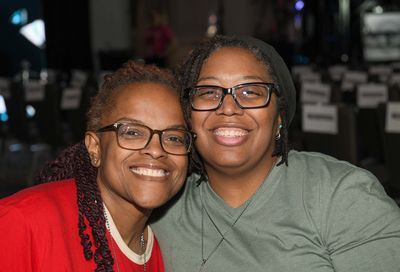
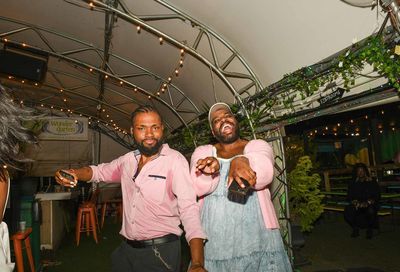
West Virginia Medicaid recipients and Fain v. Croch plaintiffs Shauntae Anderson (left) and Chris Fain – Photos courtesy of Lambda Legal.
On Aug. 2, a federal judge ruled that West Virginia’s Medicaid program must cover gender-affirming surgical care for transgender patients.
U.S. District Court Judge Robert Chambers, of the Southern District of West Virginia, ruled that the insurance exclusion contained in the state’s Medicaid program — which prohibited coverage for gender confirmation surgery to treat gender dysphoria — discriminates against individuals on both their sex and their gender identity. He also issued an order prohibiting the state from attempting to enforce the exclusion by denying coverage to other transgender recipients.
In the case, known as Fain v. Crouch, Chambers found that such discrimination violates the Equal Protection Clause of the Fourteenth Amendment, anti-discrimination provisions contained in the Affordable Care Act, and provisions of the Medicaid Act that require Medicaid to cover medically necessary treatments and require that all Medicaid recipients receive access to the same type of coverage as other recipients.
“Defendants enacted a clear policy excluding coverage for surgical care of gender dysphoria with no exceptions. This caused an actual, concrete injury to plaintiffs by essentially constructing a discriminatory barrier between them and health insurance coverage,” Chambers wrote in his opinion. “This is not a hypothetical injury.
“Plaintiffs requesting coverage would have been futile due to the exceptionalness exclusion, and the law does not require Plaintiffs to take such futile acts,” Chambers added. “Defendants’ policy was clear — a request for coverage would have been denied under the exclusion. Thus, Plaintiffs have standing.”
The original plaintiffs in the lawsuit — Christopher Fain, a clothing store employee and Medicaid participant; and Brian McNemar, an accountant at a state hospital and his transgender spouse, student Zachary Martell — enlisted the help of Lambda Legal, the Employment Law Center, and the law firm Nicholas Kaster, PLLP, suing state officials in 2020 to challenge insurance exclusions in both West Virginia’s Medicaid program and its state employee health plans, as provided by the state’s Public Employee Insurance Agency.
In 2021, two additional plaintiffs, Shauntae Anderson, a warehouse worker and Medicaid recipient,, and Leanne James, a state employee, were successfully added to the lawsuit as plaintiffs. In 2022, a settlement with The Health Plan of West Virginia led to the removal of insurance exclusion on gender-affirming care in PEIA plans, with the remainder of claims regarding the PEIA being dismissed after James’ death in February 2022. The case continued, focusing on only the Medicaid exclusion.
The court also certified the lawsuit as a class action suit, meaning Judge Chambers’ findings apply to all transgender West Virginians who participate in the state’s Medicaid program, not just Anderson and Fain as individuals.
Fain and Anderson, as well as members of their legal team, praised Chambers’ ruling.
“We applaud Judge Chambers’ decision to remove the discriminatory barrier to accessing medically necessary, gender-confirming surgical care for all transgender West Virginia Medicaid participants,” Avatara Smith-Carrington, a staff attorney at Lambda Legal, said in a statement. “Protecting and advancing health care for transgender people is vital, sound, and just. Transgender West Virginia Medicaid participants deserve to have equal access to the same coverage for medically necessary healthcare that cisgender Medicaid participants receive as a matter of course.”
“I am excited to finally have access to the healthcare I deserve,” Anderson said in a statement. “The exclusion negatively affects my health and wellbeing as well as the health and wellbeing of other transgender Medicaid participants in our community. Gender-confirming care is healthcare, and it is lifesaving.”
“This is a victory not only for me but for other transgender Medicaid participants across West Virginia,” Fain noted. “This decision is validating, confirming that after years of fighting to prove that gender-confirming care is medically necessary, we should have access to the same services that West Virginia Medicaid already provides to cisgender participants. Transgender West Virginians should never feel as if our lives are worth less than others.”
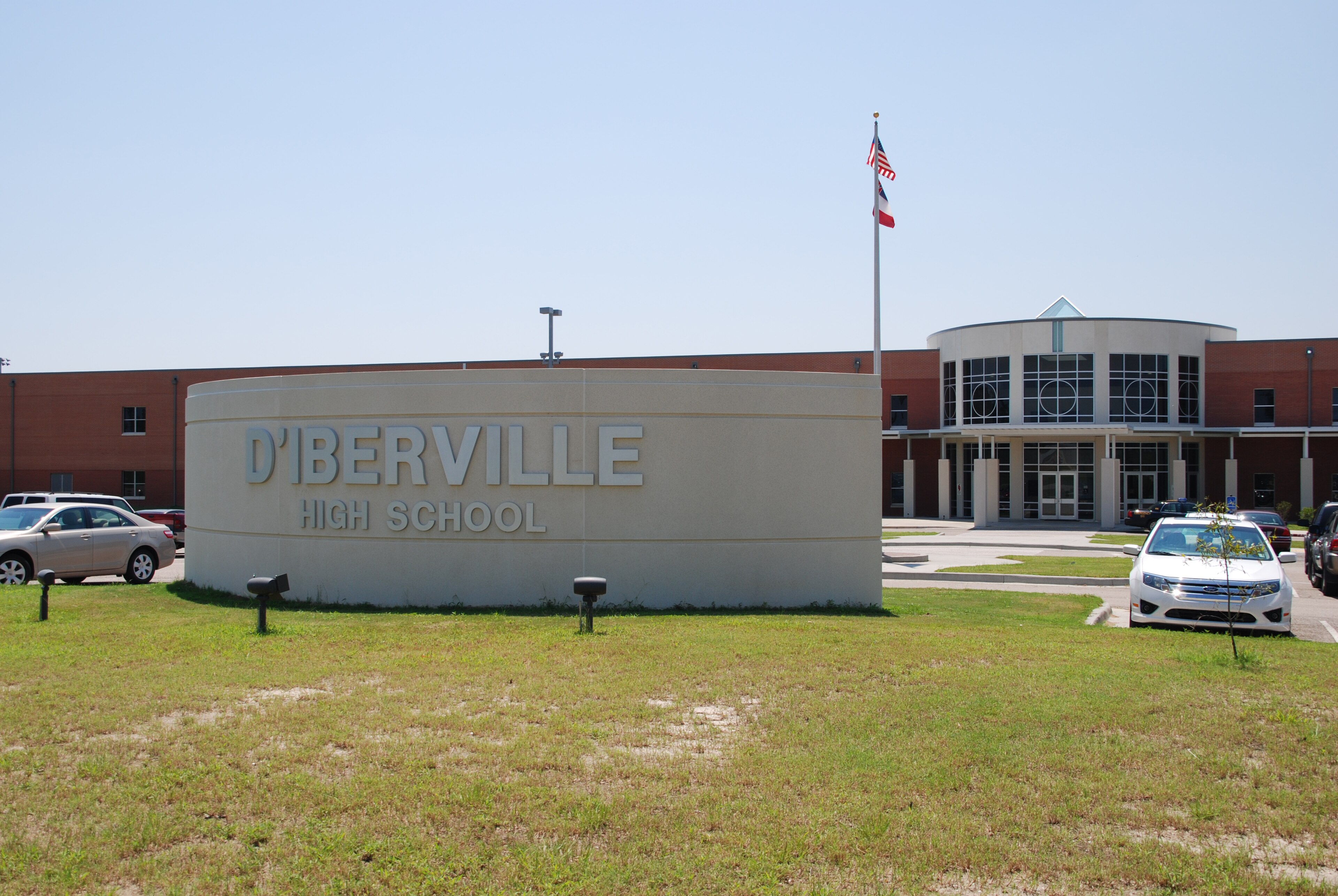
A Mississippi high school is facing backlash after a Facebook post celebrating the salutatorian of its 2026 graduating class referred to the transmasculine student by his deadname and appeared to digitally alter his face to make him appear more feminine.
The post, published May 17 by D'Iberville High School in Biloxi, Mississippi, congratulated student Jonas Hole on his achievement. The accompanying photo showed Hole in his U.S. Army Junior ROTC uniform.
"Pride. Tradition. Excellence. Congratulations to our DHS Salutatorian," the post reads, using Hole's deadname.
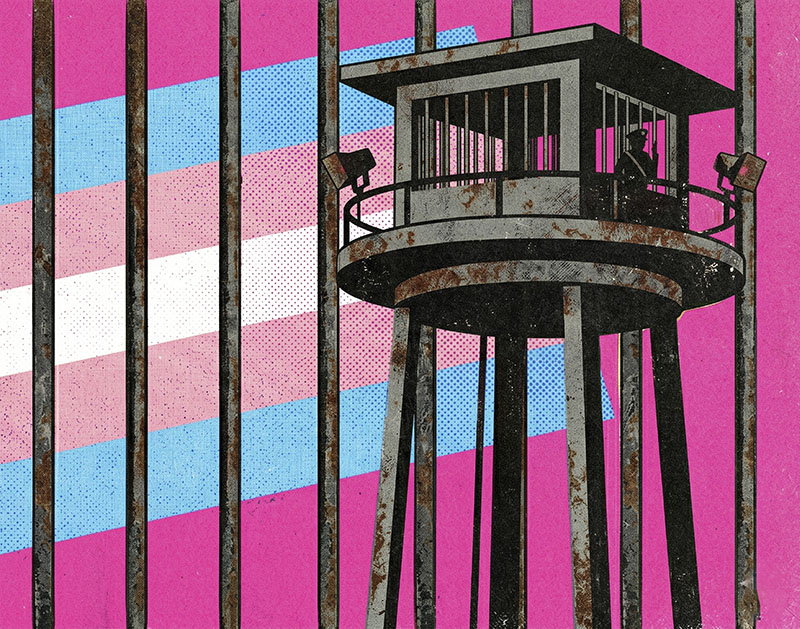
U.S. Magistrate Judge Mark Clarke, of the U.S. District Court of Oregon, issued a preliminary injunction on April 29 blocking the placement of transgender women in men's prisons and ordering the Oregon Department of Corrections to conduct individualized safety assessments for transgender inmates -- directly conflicting with President Donald Trump's executive order requiring inmates to be housed according to their assigned sex at birth.
The case stems from a class-action lawsuit brought by two prisoners on behalf of current and future transgender inmates, accusing the state of failing to protect transgender women from sexual and physical violence by housing them in men's prisons.
A lawsuit has been filed challenging a proposed referendum that would bar transgender athletes from competing on public school teams based on the sex listed on their original birth certificate.
The measure, slated to appear on the ballot this fall, would also require public schools to maintain sex-segregated bathrooms, locker rooms, and changing spaces based on students' birth sex, and allow students who believe they were denied athletic opportunities by a transgender competitor to sue for damages.
But three Maine residents filed suit, claiming supporters of the referendum failed to gather enough valid signatures from registered voters to qualify the measure for the ballot. In their complaint, they say they identified hundreds of duplicate signatures and hundreds more lacking required date information. They also allege that some signatures came from unregistered voters or omitted required residence information.
These are challenging times for news organizations. And yet it’s crucial we stay active and provide vital resources and information to both our local readers and the world. So won’t you please take a moment and consider supporting Metro Weekly with a membership? For as little as $5 a month, you can help ensure Metro Weekly magazine and MetroWeekly.com remain free, viable resources as we provide the best, most diverse, culturally-resonant LGBTQ coverage in both the D.C. region and around the world. Memberships come with exclusive perks and discounts, your own personal digital delivery of each week’s magazine (and an archive), access to our Member's Lounge when it launches this fall, and exclusive members-only items like Metro Weekly Membership Mugs and Tote Bags! Check out all our membership levels here and please join us today!






You must be logged in to post a comment.