
Same-Sex Couples Fear Losing Right to Marriage
A Williams Institute report finds 80 percent of couples concerned for the end of Obergefell, as legal eagles sound alarms.

The good news from the Williams Institute at UCLA School of Law is that “marriage equality has had a profound positive effect on the security and well-being of LGBTQ+ people.”
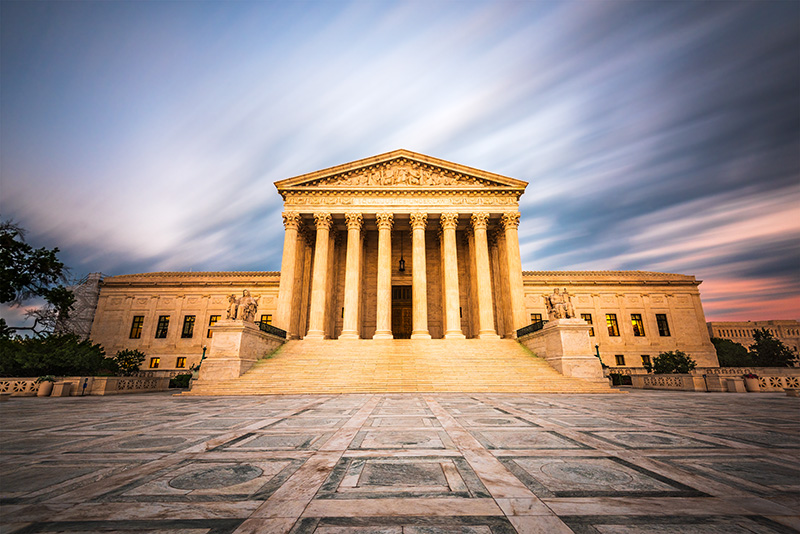
The bad news is that 80% of the study’s surveyed couples were “very” or “somewhat” concerned that Obergefell v. Hodges, the 2015 Supreme Court decision finding same-sex couples have a nationwide right to marriage, will be overturned.
While recent Gallup polling shows high support for marriage equality from Americans overall, at 69%, that support has begun eroding ever so slightly from a 71% peak last year.
Further, the court has issued arguably radical rulings by overturning the national right to abortion in 2022 and upending racial affirmative-action considerations in college admissions last year.
In late June, the Supreme Court ruled 6-3 in an immigration case regarding an American and her foreign national spouse. Justice Amy Coney Barrett wrote the majority’s opinion, citing a 1997 ruling, as reported by CNN.
The dissent, written by Justice Sonia Sotomayor, faulted the majority for using that ruling rather than Obergefell.
Writing about the 2023 303 Creative LLC v. Elenis, in which the Court ruled that a web designer could discriminate against a same-sex couple, Laurence H. Tribe and Jeffrey B. Abramson argued that Americans’ right to marriage equality is, indeed, threatened by this court’s conservative majority.
“The hostility of a majority of justices to the 2015 Supreme Court case protecting same-sex marriage is so open that, until they can follow Justice Clarence Thomas’s call to overrule that decision, they are determined to strip same-sex couples of civil rights protections that other lawfully married couples enjoy,” the duo wrote in The Boston Globe last year.
“For many years, the court stopped short of overruling Roe v. Wade, until it did in 2022. For many years, the court stopped short of declaring affirmative action unconstitutional, until it did this week. The same-sex marriage equality decision stands for now, but it should be added to the list of endangered precedents.”
Tribe is Harvard University’s Carl M. Loeb University Professor, Emeritus, while Abramson is professor of government and law emeritus and University of Texas at Austin.


You must be logged in to post a comment.