Costa Rica may be known for its lush rainforests, pristine beaches, and the ever-present philosophy of pura vida — the “pure life” — but it’s also one of the most progressive LGBTQ destinations in Central America. Since legalizing same-sex marriage in 2020, the country has nurtured a growing queer community in both urban and coastal regions, creating a welcoming atmosphere that celebrates diversity amid its natural beauty.
The country’s path toward LGBTQ equality has been steady and meaningful. In 2020, it became the first nation in Central America to legalize same-sex marriage, a landmark decision fueled by years of advocacy and public debate. Since then, the government has strengthened anti-discrimination protections, expanded support for trans rights, and woven LGBTQ education and awareness into public policy.
This progressive spirit resonates with both locals and visitors. Whether in cosmopolitan San José or the laid-back coastal towns, travelers often remark on the country’s openness and acceptance.
My journey began in San José, the cultural and social hub of the country’s LGBTQ community. The city’s vibrant LGBTQ nightlife includes popular bars and clubs such as Club El Teatro, known for decades of drag and queer performance, and La Avispa, one of the oldest gay bars in Latin America.
Beyond nightlife, San José’s arts and cultural institutions also spotlight queer voices. Local galleries frequently showcase work by LGBTQ artists, while organizations such as Centro de Investigación y Promoción para América Central de Derechos Humanos play key roles in advocacy, education, and community support.
The city’s annual Marcha de la Diversidad (Pride March), typically held in June, draws tens of thousands from across Central America, filling the streets with color, music, and the unmistakable energy of celebration and solidarity.
I stayed at the Marriott Hotel Hacienda Belén, about 15 minutes from downtown. The property offers a luxurious escape that blends old-world charm with modern sophistication.
From the moment you arrive, you’re greeted by sweeping views of the Central Valley and the scent of freshly roasted coffee drifting through the air — a fitting introduction to a resort built on a historic coffee plantation. The hotel’s Spanish colonial architecture, with its arched corridors, terracotta tiles, and lush gardens, evokes a timeless sense of place, while the service is warm, genuine, and distinctly Costa Rican.
Marriott Hotel Hacienda Belén – Photo: Joey Amato
Dining at the Marriott Hacienda Belén is impressive. Each restaurant celebrates local flavors with international flair, whether you’re enjoying a traditional gallo pinto breakfast, a steak dinner at La Isabela Steakhouse, or a farm-to-table meal at Hacienda Kitchen. Every dish is elevated by thoughtful presentation and the resort’s warm hospitality.
What sets this Marriott apart is its authentic Costa Rican soul. It’s luxurious without being pretentious, historic yet contemporary, and perfectly situated for exploring everything from the capital’s museums and markets to day trips into the country’s lush countryside.
If you venture outside the city, Costa Rica’s coasts offer some of the most LGBTQ-inclusive destinations in the region.
Manuel Antonio, on the Pacific coast, has become the country’s unofficial gay beach town. With luxury resorts, boutique hotels, and beach bars that welcome LGBTQ travelers year-round, it’s a place where diversity is part of daily life. Playa Espadilla and Playa Biesanz are especially popular with queer visitors, offering relaxed vibes, stunning sunsets, and a strong sense of community.
Other destinations, including Tamarindo, Puerto Viejo, and Santa Teresa, are also drawing growing numbers of LGBTQ travelers.
What makes Costa Rica unique is the way its pura vida lifestyle extends to acceptance and respect. The phrase is more than a slogan — it reflects how Costa Ricans approach life: with joy, empathy, and openness. That spirit is palpable in how locals treat LGBTQ visitors, not as outsiders but as fellow travelers sharing the beauty of their homeland.
From the bustling boulevards of San José to the quiet beaches of the Pacific coast, Costa Rica offers LGBTQ travelers the freedom to be themselves in a setting that’s as breathtaking as it is inclusive.
For more of Joey Amato’s LGBTQ travel guides and features, visit pridejourneys.com.
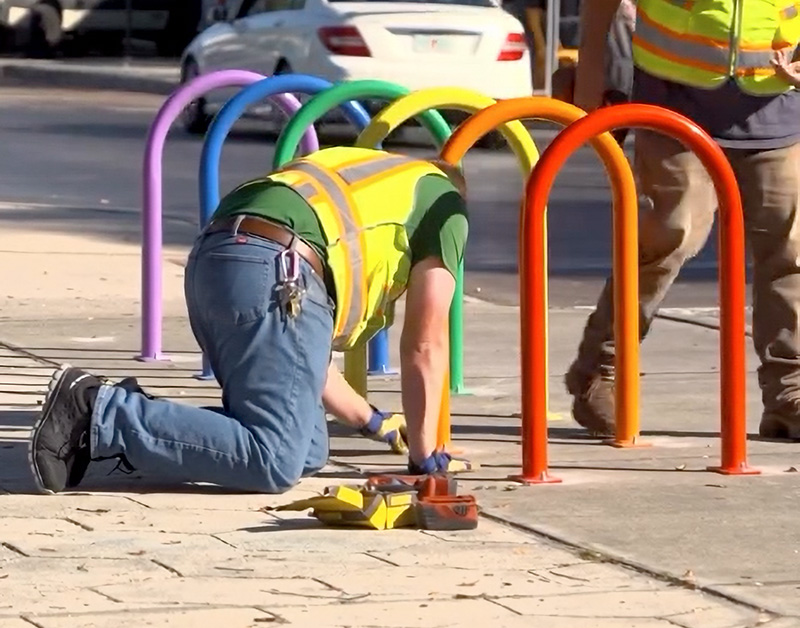
The city of St. Petersburg has installed 11 rainbow-colored bike racks in response to the removal of several street murals -- including a Pride-themed mural -- by the Florida Department of Transportation.
The racks were installed in the Grand Central District at Central Avenue and 25th Street, the former location of one of five murals removed at the direction of federal and state authorities.
The mural at Central Avenue and 25th Street featured colored stripes representing the progressive Pride flag and was located just steps from Ride'em Cowboy, one of the city’s best-known LGBTQ nightclubs and a "safe space" for the community, according to Florida Politics.
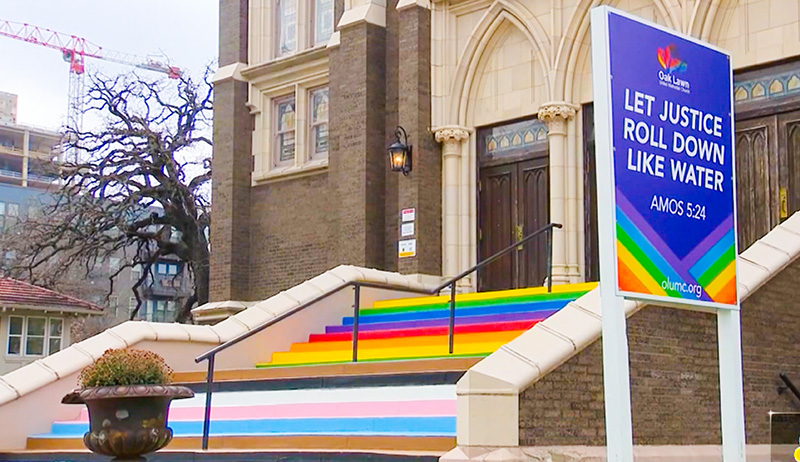
The Dallas Landmark Commission unanimously approved rainbow-colored steps outside Oak Lawn United Methodist Church as a temporary art installation, allowing the display to remain for up to three years despite objections that they violate historic preservation codes.
As a designated historic site, Oak Lawn United Methodist Church is required to seek city approval before making major exterior changes, including paint colors, according to Dallas-area PBS/NPR affiliate KERA.
The LGBTQ-welcoming church did not submit an application to the landmark commission before repainting its exterior steps in the colors of the "Progress Pride" flag, incorporating the traditional rainbow along with black and brown stripes and the blue, pink, and white of the transgender Pride flag.
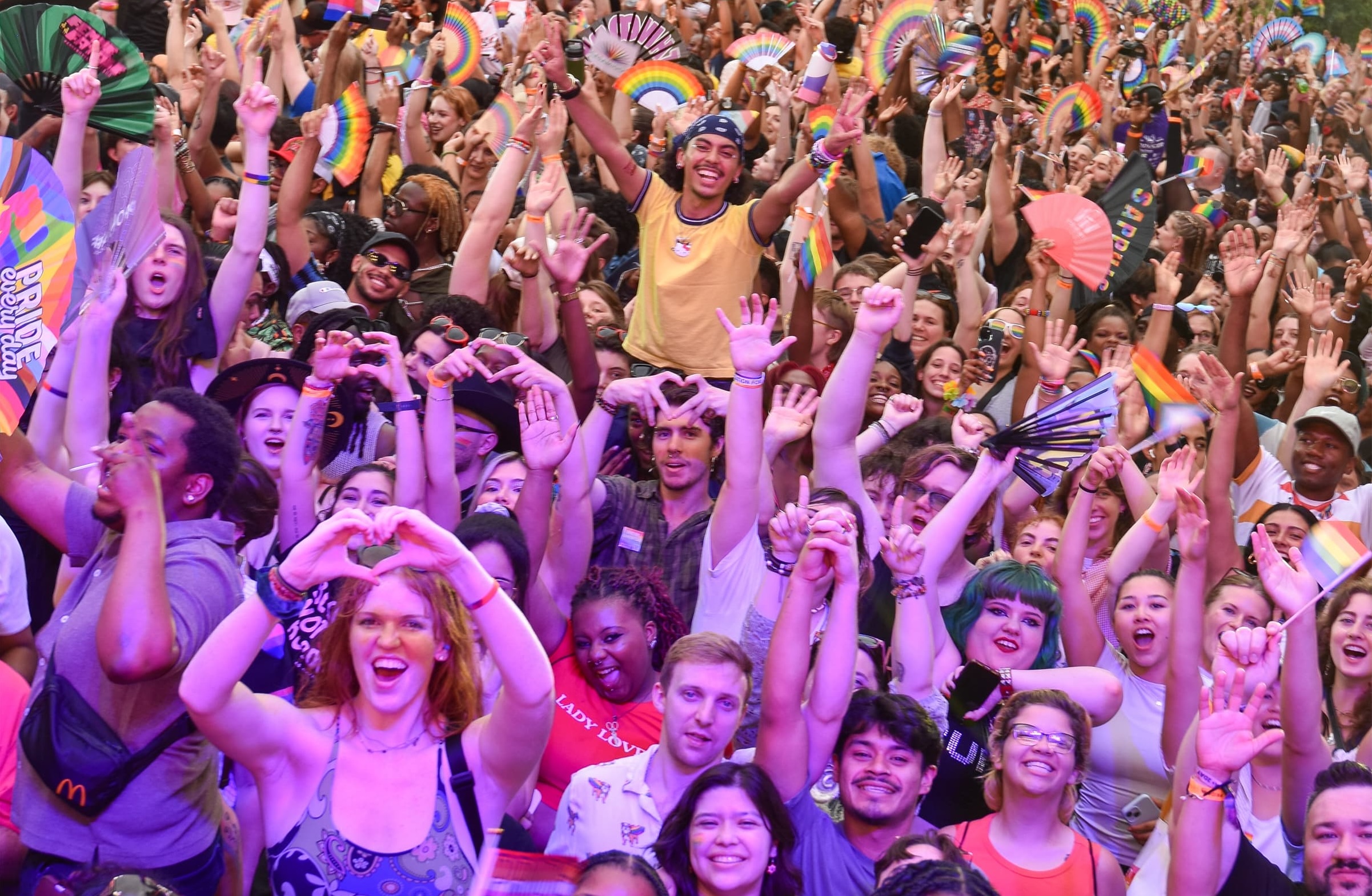
The Capital Pride Alliance is moving the 2026 Capital Pride celebration to the third week of June -- one week later than usual -- to avoid overlapping with major events tied to President Donald Trump's June 14 birthday and preparations for the nation's 250th anniversary. Pride weekend will run June 20-21, with the parade on Saturday and the festival and concert on Sunday.
Last year, the Trump administration marked the president's birthday and the 250th anniversary of the U.S. Armed Forces with a downtown military parade. This year, all national parks will offer free entry on June 14, and the White House is expected to host several Ultimate Fighting Championship matches on the White House lawn to draw large crowds for Trump's 80th birthday and the country's Semiquincentennial celebrations.
These are challenging times for news organizations. And yet it’s crucial we stay active and provide vital resources and information to both our local readers and the world. So won’t you please take a moment and consider supporting Metro Weekly with a membership? For as little as $5 a month, you can help ensure Metro Weekly magazine and MetroWeekly.com remain free, viable resources as we provide the best, most diverse, culturally-resonant LGBTQ coverage in both the D.C. region and around the world. Memberships come with exclusive perks and discounts, your own personal digital delivery of each week’s magazine (and an archive), access to our Member's Lounge when it launches this fall, and exclusive members-only items like Metro Weekly Membership Mugs and Tote Bags! Check out all our membership levels here and please join us today!





You must be logged in to post a comment.