Idaho State Capitol – Photo: JSquish/Wikimedia Commons
Idaho Gov. Brad Little recently signed a bill into law adopting what may be the strictest bathroom ban in the nation, under which anyone who enters a bathroom that does not align with their sex assigned at birth can face prison time.
Idaho already bars transgender students in public schools and universities from using bathrooms that do not align with their sex assigned at birth, and has a separate law requiring multi-occupancy restrooms in colleges, universities, correctional facilities, and domestic violence shelters to be restricted based on a person’s assigned sex at birth. But this new bill goes even further.
Under the new law, which takes effect July 1, a person can be imprisoned for using a bathroom that does not align with their birth sex in a “place of public accommodation,” meaning any establishment that serves the public, including privately owned businesses.
Those accused of violating it can be charged with a misdemeanor and, if found guilty, face up to a year in jail for a first offense. A second offense carries a felony charge, with a sentence of up to five years in prison.
But as Erin Reed has reported on her Erin in the Morning Substack, a fourth violation — constituting a third felony conviction — could be punished under Idaho’s “persistent violator” statute with a mandatory minimum of five years and a maximum sentence of life in prison.
The law also allows prior convictions under other states’ anti-transgender bathroom laws to count as violations in Idaho, meaning a person with an out-of-state violation could face stiffer penalties for a first offense.
As Reed has also noted, prison sentences are likely to subject transgender people to additional brutality and humiliation in custody, including denial of gender-affirming care and, for transgender women, placement in male correctional facilities where they face a higher risk of physical or sexual assault.
As Boise NBC affiliate KTVB reports, the penalty for using the “wrong” restroom is stricter than Idaho’s penalty for indecent exposure, including acts like public urination. It is also stricter than punishments for driving under the influence of alcohol or drugs.
The legislation includes nine exceptions, including for janitorial work, emergencies, assisting children, or when someone has a “dire need” to use a restroom.
Supporters of the law, including its lead sponsor, Sen. Ben Toews (R-Coeur d’Alene), argue the penalties are needed to protect women and children from sexual predators who might exploit a lack of sex-based bathroom restrictions.
“All of what we’re trying to solve here is not targeting any one group or person, it’s dealing with sexual predators and very real issues,” he said. “There’s no law currently on our books that prohibits a biological man from entering a shower room with undressed women and children present.”
Law enforcement groups, including the Idaho Fraternal Order of Police and the Idaho Chiefs of Police Association, opposed the bill, largely on the grounds that it would require officers to determine — without any guidance or clear standards — a person’s biological sex or whether they had a “dire need” to justify being in an opposite-sex restroom.
Both groups had urged lawmakers to include a “duty to depart” provision, which would have required someone to be asked to leave a facility before being arrested — with any refusal establishing criminal intent. But lawmakers omitted the provision, meaning anyone accused of entering an opposite-sex bathroom can be immediately arrested and charged.
The bathroom ban passed on largely party-line votes in the Republican-dominated House and Senate, with only a handful of GOP House lawmakers and a lone Republican state senator voting against it.
That Senate Republican, Sen. Jim Guthrie (R-McCammon), said the law has significant flaws. For instance, he said, a transgender man with facial hair and masculine features would effectively be unable to use any bathroom besides a single-stall or unisex facility.
“If they go in the bathroom of their biological sex, they’re going to upset a lot of people and freak people out,” Guthrie said of trans men. “If they go in the bathroom that is consistent with their looks — they are knowingly and willingly going into the bathroom — that is breaking the law. They’re human beings just like us, and what are they supposed to do?”
Arkansas Gov. Sarah Huckabee Sanders was asked to leave a Little Rock restaurant, with the owner citing concerns from LGBTQ employees over her political positions.
On March 13, Sanders dined at The Croissanterie, arriving unannounced with two guests, staff members, and her State Police Executive Protection Detail.
Her party had been seated for more than an hour and had already paid and tipped when she said the restaurant owner asked a member of her security detail to have them leave.
Malaysia has blocked access to queer dating apps Grindr and Blued as part of an ongoing crackdown on LGBTQ visibility in the Muslim-majority nation, where same-sex acts are criminalized.
The communications ministry said the Malaysian Communications and Multimedia Commission (MCMC), the nation’s internet regulator, is examining legislative measures to curb the apps, according to the South China Morning Post.
Those plans were outlined in a reply to a parliamentary inquiry from Padang Terap MP Nurul Amin Hamid, who asked whether the MCMC would work with app store providers to block downloads of Grindr, Blued, and Growlr, The Star reported. Hamid claimed the apps had become a primary platform for promoting "deviant" relationships.
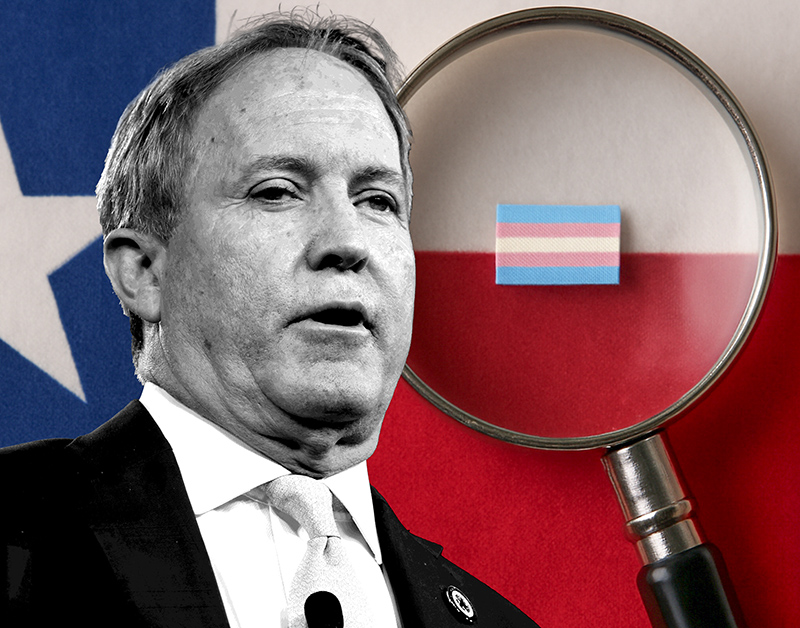
Mental health providers licensed in Texas are barred from offering therapy that could be interpreted as assisting minors in transitioning, according to a legal opinion from Texas Attorney General Ken Paxton.
In the February 27 opinion, Paxton responded to an inquiry from Darrel Spinks, executive director of the Texas Behavioral Health Executive Council, about whether a 2023 law applies to licensed therapists and counselors.
The law, Senate Bill 14, bans health care providers from providing or facilitating treatments for minors -- including puberty blockers, hormones, or surgical interventions -- intended to help them medically transition. It also prohibits public funds, including Medicaid, from covering the cost of transition-related care.
These are challenging times for news organizations. And yet it’s crucial we stay active and provide vital resources and information to both our local readers and the world. So won’t you please take a moment and consider supporting Metro Weekly with a membership? For as little as $5 a month, you can help ensure Metro Weekly magazine and MetroWeekly.com remain free, viable resources as we provide the best, most diverse, culturally-resonant LGBTQ coverage in both the D.C. region and around the world. Memberships come with exclusive perks and discounts, your own personal digital delivery of each week’s magazine (and an archive), access to our Member's Lounge when it launches this fall, and exclusive members-only items like Metro Weekly Membership Mugs and Tote Bags! Check out all our membership levels here and please join us today!







You must be logged in to post a comment.