A new survey has revealed that almost half of transgender schoolchildren in Britain have attempted suicide.
Forty five percent of trans students have attempted to take their own life, compared with 22% of LGB youth.
It’s part of a number of findings in the School Report survey, compiled by LGBTQ charity Stonewall, which documented the experiences of 3,713 LGBTQ youth in Britain’s schools.
Among the findings:
45% of LGBTQ youth have been bullied at school
One in ten trans students are subjected to death threats at school
45% of bullied LGBTQ youth don’t tell anyone about being bullied
Only 29% say a teacher has intervened when they witnessed bullying
A third of trans students are not able to use their preferred name at school
Only 20% of LGBTQ youth have learned about safe sex in same-sex relationships
Shockingly, 84% of trans youth and 61% of LGB youth have self-harmed
96% of LGBTQ young people had to use the internet to learn more about their sexuality/gender identity
Zoe, a 12-year-old student in England, told Stonewall: “I felt like whatever I was doing was worthless. Even if I did well in school, it wouldn’t matter to people because all they would care about is me being gay.”
“I lost confidence and the power to succeed and get the best qualifications,” said George, 16, who attended a faith high school in Scotland. “I left because I was scared and I didn’t belong in that environment.”
Jack, 15, who attends high school in the South East of England, said: “I’ve been bullied all my school life, but when I came out as gay five years ago, and then as trans two years ago, the bullying increased.
“People call me a ‘he-she’, ‘tranny’, and other transphobic slurs. People also call me homophobic slurs like ‘lezza’ and ‘fag’.”
But despite the negative findings, Stonewall Chief Executive Ruth Hunt said there is cause for optimism.
“Thanks to government and cross-party support, compulsory relationships and sex education (RSE) is set to become a reality in England’s schools,” she said. “This is a vital step towards ensuring that all young people are equipped to make informed decisions about their lives and relationships.”
The survey’s findings reflect that. In 2007, 70% of students had never been taught about LGBTQ issues. That figure has fallen to 40% by 2017.
Incidences of homophobic language have also fallen. In 2007, 71% regularly heard “faggot” and other slurs while at school, a figure that now sits at 52% in 2017.
“As we look ahead, we must keep sight of our shared mission: to create a world where every young person can grow up happy, healthy and supported to reach their full potential,” Hunt said. “While much has changed over the past decade, it is clear we cannot be complacent in the fight for equality.”
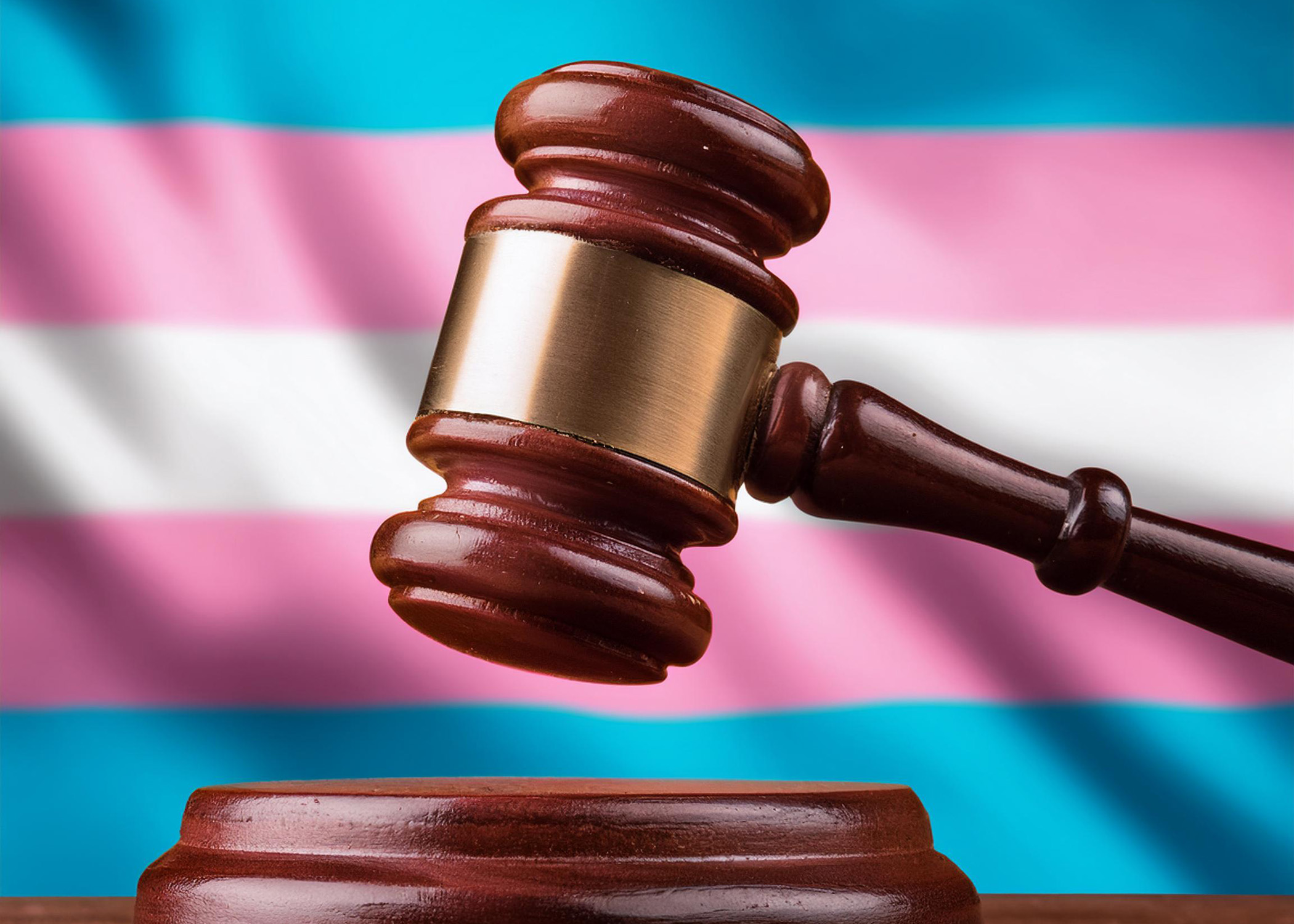
Federal Judge Victoria Calvert has permanently blocked a portion of Georgia’s law banning prisoners from receiving gender-affirming care, ruling on Dec. 3 that the state’s blanket ban on hormone therapy violates the Eighth Amendment’s prohibition on cruel and unusual punishment.
Signed by Gov. Brian Kemp in May and implemented in July, the law bars prisoners from receiving hormone therapy or other treatment for gender dysphoria -- even when a doctor deems it medically necessary. It prohibits the state from funding such care and blocks transgender inmates from paying for it themselves. Non-transgender prisoners, however, may still receive hormone therapy and other gender-affirming treatments so long as the care is not related to gender transition.
Justine Lindsay, the NFL's first out transgender cheerleader, recently revealed that she was fired this year, a decision she alleges was motivated by transphobia and Donald Trump's election as president.
"I was cut because I'm trans," Lindsay said in an Instagram Live with Gaye Magazine. "I don't wanna hear nobody saying, 'She didn't wanna come back.' Why the hell would I not wanna come back to an organization that I've been a part of for three years? That makes no sense to me. So I was cut. I was devastated. It stung. I was hurt."
Lindsay, who made history as the NFL's first transgender cheerleader when she tried out and made the Carolina Panthers's TopCats squad in 2022, told the magazine that her teammates "know the truth" about the decision to cut her from the squad.
Every December, Grindr releases Grindr Unwrapped, an annual report drawing on data from its more than 15 million monthly users to reveal what LGBTQ people consider culturally relevant and how they behave on the app -- from pop-culture tastes to sexual habits, fetishes, and hookup styles.
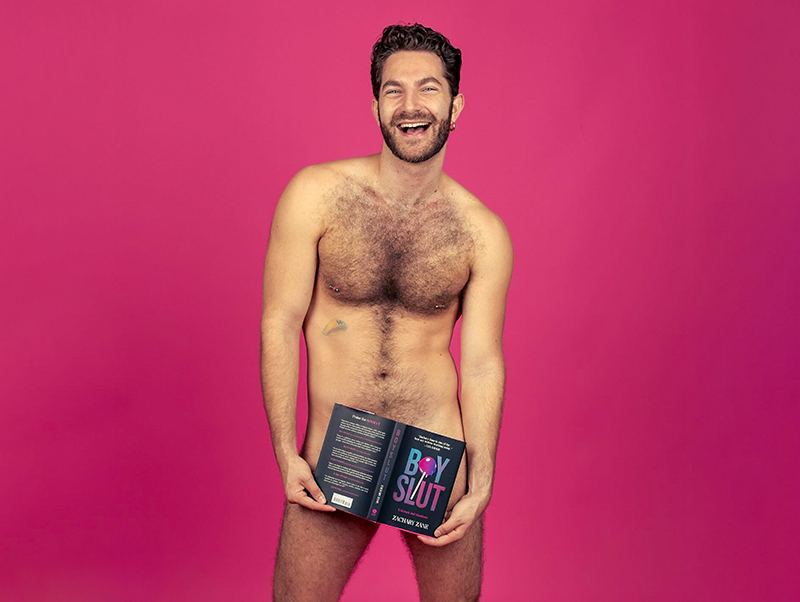
"With Grindr Unwrapped, you get to see the real diversity in sexual activity, sexual desire, sexual appeal, and see some of the things that are more universal and some that differ culturally between different groups of gay and bisexual men and others using the app," says Zachary Zane, Grindr's sex-and-relationship expert.
These are challenging times for news organizations. And yet it’s crucial we stay active and provide vital resources and information to both our local readers and the world. So won’t you please take a moment and consider supporting Metro Weekly with a membership? For as little as $5 a month, you can help ensure Metro Weekly magazine and MetroWeekly.com remain free, viable resources as we provide the best, most diverse, culturally-resonant LGBTQ coverage in both the D.C. region and around the world. Memberships come with exclusive perks and discounts, your own personal digital delivery of each week’s magazine (and an archive), access to our Member's Lounge when it launches this fall, and exclusive members-only items like Metro Weekly Membership Mugs and Tote Bags! Check out all our membership levels here and please join us today!







You must be logged in to post a comment.