Prosecutors in Uganda have thrown out a case against two women accused of violating the country’s Anti-Homosexuality Act by kissing in public.
The 2023 law — which American evangelicals and Republican lawmakers encouraged Ugandan lawmakers to pass as part of a crackdown on displays of homosexuality and expressions of LGBTQ identity — imposes some of the world’s harshest penalties for same-sex intimacy, including up to life in prison for consensual same-sex relations.
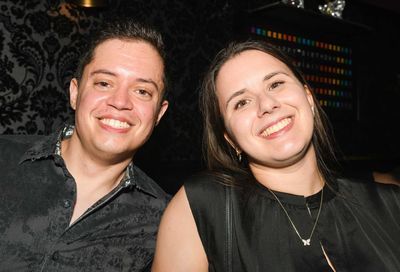
The women — Wendy Faith, a 22-year-old musician known as Torrero Bae, and Alesi Diana Denise, 21 — were arrested in February in the city of Arua after neighbors claimed to have seen them kissing in public. The neighbors photographed the women and accused them of hosting “same-sex orgies,” a local police spokeswoman told Agence France-Presse at the time.
Irene Nakimbugwe, deputy spokesperson for Uganda’s Director of Public Prosecutions, told AFP that the case had been withdrawn.
“Finally, Wendy and Diana are free,” Frank Mugisha, executive director of Sexual Minorities Uganda (SMUG), wrote on X. “Thank you to everyone who stood with them and supported them throughout this journey.”
Mugisha told AFP that the women’s prosecution “should never have reached this stage” and renewed his longstanding call for the Anti-Homosexuality Act to be repealed.
“Kissing is not a crime, and no one should be persecuted for who they are or who they love,” Mugisha said. “I hope this decision marks the beginning of a wider review of similar cases and that all unjust prosecutions arising from the Anti-Homosexuality Act are dropped.”
At the time of the arrests, Ugandan gay rights activist Hans Senfuma told The Guardian that the case was intended to intimidate the country’s broader LGBTQ community.
“It is a message, loud, deliberate and brutal, sent to every queer person in Uganda: we are watching you, and we will come for you too,” Senfuma said. “There are thousands of LGBTQI Ugandans who are silently deleting messages from their phones, moving out of shared homes, pulling away from the people they love, rehearsing how to look straight, how to laugh differently, how to survive.”
Senfuma urged the international community to use financial and diplomatic pressure to persuade Ugandan authorities to drop the charges.
“Two girls are facing life imprisonment,” he said. “If that does not move you to action, I genuinely do not know what will.”
Since the Anti-Homosexuality Act’s passage, Ugandan authorities have arrested several people accused of engaging in same-sex relations. Prosecutors also sought the death penalty for a man charged with “aggravated homosexuality” over an alleged sexual encounter with a 41-year-old whose “mental status” purportedly rendered him incapable of consent. The defendant, who was 20 when arrested, later had the charge dropped after reportedly suffering a mental breakdown in custody.
Human rights advocates say the law is frequently used to blackmail and extort LGBTQ people. The United States imposed visa restrictions on Ugandan officials responsible for enforcing the law, while the World Bank froze new loans to the East African nation. The World Bank resumed funding to Uganda in 2025.
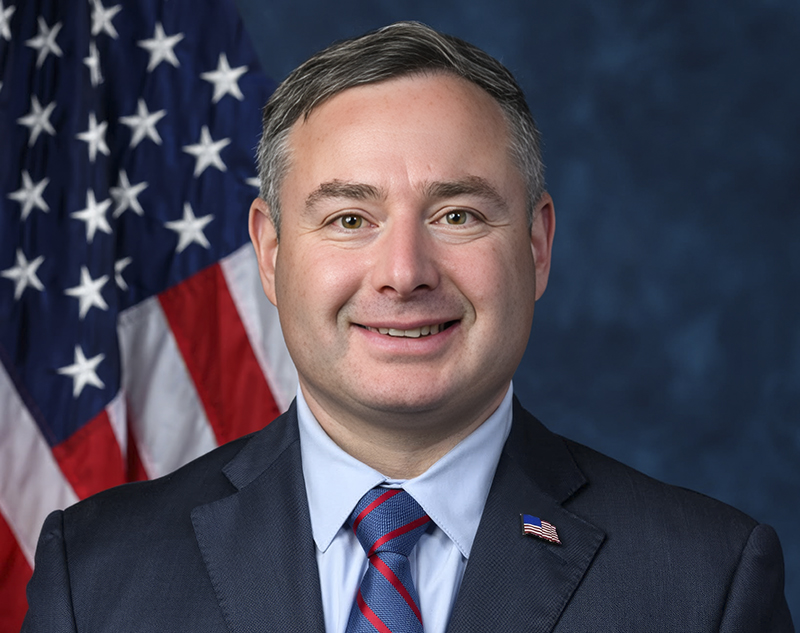
Democratic U.S. Rep. Eugene Vindman cursed at a constituent and walked out of a meeting with party activists after transgender attendees challenged his vote for a Republican-backed "forced outing" bill.
The confrontation occurred on August 11 in King George County, a heavily Republican locality at the eastern end of Vindman's 7th Congressional District that overwhelmingly favored President Donald Trump in 2024.
Vindman, a swing-district Democrat, attended the King George Democratic Committee meeting to rally party loyalists behind his reelection bid. After discussing Trump, affordability, and the midterm elections, he took questions from the audience.
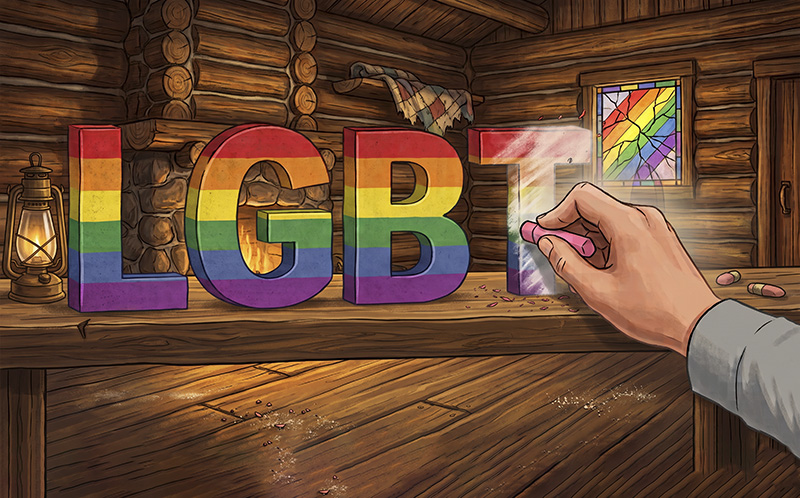
The board of directors of Log Cabin Republicans, a gay conservative political advocacy group that touts itself as dedicated to "building a more inclusive GOP," announced that it was dropping support for transgender rights from its mission.
Since its founding in the late 1970s, the group has promoted conservative values and policies -- grounded in the constitutional principles of equal protection under the law, limited government, and individual freedom -- while advocating for equal rights and fairness regardless of sexual orientation.
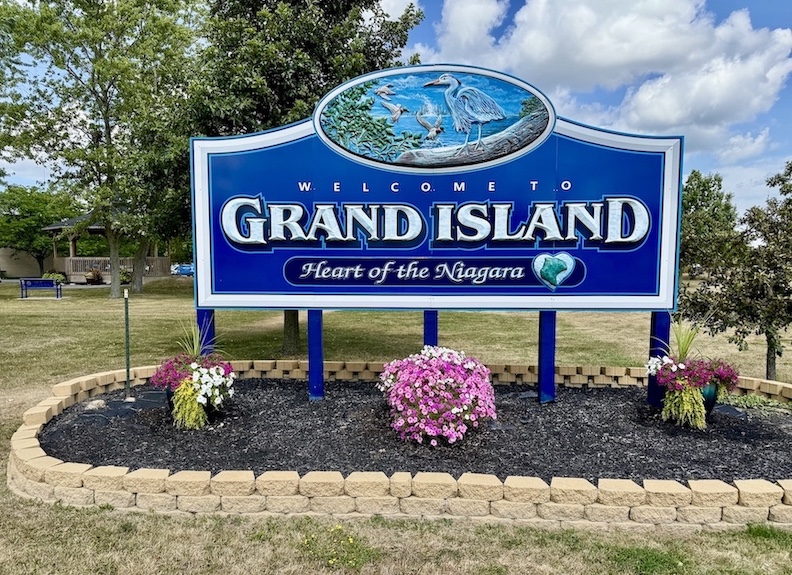
An employee at a wastewater treatment plant in suburban Buffalo has filed a federal lawsuit alleging that he was discriminated against because he is gay.
Timothy Burns, who has worked full time at Grand Island's wastewater treatment plant since 2011, claims the harassment and discriminatory treatment began in 2020, according to Buffalo CBS affiliate WIVB.
These are challenging times for news organizations. And yet it’s crucial we stay active and provide vital resources and information to both our local readers and the world. So won’t you please take a moment and consider supporting Metro Weekly with a membership? For as little as $5 a month, you can help ensure Metro Weekly magazine and MetroWeekly.com remain free, viable resources as we provide the best, most diverse, culturally-resonant LGBTQ coverage in both the D.C. region and around the world. Memberships come with exclusive perks and discounts, your own personal digital delivery of each week’s magazine (and an archive), access to our Member's Lounge when it launches this fall, and exclusive members-only items like Metro Weekly Membership Mugs and Tote Bags! Check out all our membership levels here and please join us today!







You must be logged in to post a comment.