NFL Commissioner Roger Goodell during Super Bowl XLIII in 2009 (Photo: Staff Sgt. Bradley Lail, USAF, via Wikimedia Commons).
Despite pressure from LGBT activists following the overwhelming defeat of the Houston Equal Rights Ordinance (HERO) on Tuesday, the National Football League is not budging on its decision to hold the 51st Super Bowl in Houston in 2017.
“This will not affect our plans for Super Bowl LI in 2017,” Brian McCarthy, an NFL spokesman, told NBC Sports’ Pro Football Talk. “We will work closely with the Houston Super Bowl Host Committee to make sure all fans feel welcomed at our events. Our policies emphasize tolerance and inclusiveness, and prohibit discrimination based on age, gender, race, religion, sexual orientation, or any other improper standard.”
HERO, which would have prohibited discrimination against a number of protected classes, including LGBT people, was passed in May 2014 by the Houston City Council. Opponents tried to petition it to the ballot, but failed to garner enough valid signatures. The Texas Supreme Court later interceded and forced the ordinance to be placed on the ballot. HERO was eventually defeated, garnering only 39 percent of the vote to opponents’ 61 percent.
Supporters of the LGBT community launched a petition at Change.org soon after the election results came in, arguing that the NFL should move the Super Bowl from Houston. As of mid-day Thursday, the petition had received 2,287 signatures.
Some had speculated that the NFL might be pressured to change the venue for the Super Bowl due to the influence of the LGBT community, in the same way that it seriously considered moving the 2015 Super Bowl from Arizona after lawmakers attempted to pass a law that would allow discrimination on the basis of sexual orientation. That measure was eventually killed with a veto from then-Gov. Jan Brewer, a Republican.
But while the NFL is refusing to budge on the 2017 Super Bowl, supporters of equality can take a small measure of solace that there might be at least some form of karmic justice. On Wednesday, Houston lost three separate bids to host the College Football Championship game for 2018, 2019 and 2020. As LGBT sports website OutSports notes, the three cities that Houston lost two — Atlanta, San Francisco, and New Orleans — all have nondiscrimination protections for LGBT individuals enacted into law.
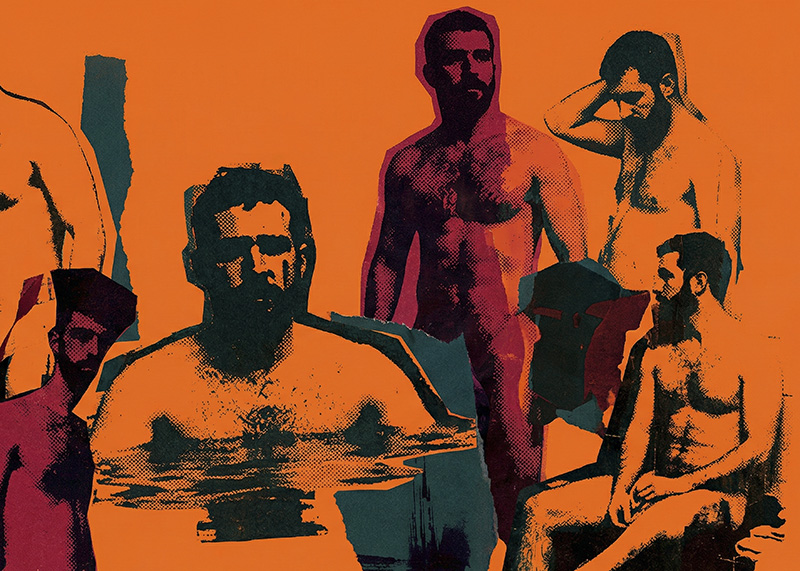
The Minneapolis City Council is expected to consider directing staff to study a package of four proposed ordinances that would reverse the city’s decades-old ban on businesses facilitating "high-risk sexual conduct" -- enacted during the AIDS crisis of the 1980s -- and establish a regulatory framework for such venues.
One ordinance would add a new chapter to city code allowing adult sex venues and establishing licensing and business regulations for establishments where consenting adults can engage in sexual activity.
Another ordinance would amend the city’s zoning code to update definitions and standards for sexually oriented uses, eliminating "stigmatizing" language and reflecting advances in HIV prevention -- the original impetus for the 1988 bathhouse ban. A third ordinance would amend the city’s health and sanitation code, specifically provisions related to contagious diseases and so-called "high-risk sexual conduct."
Charlie Brande, a college volleyball legend-turned-commentator is apologizing after suggesting during a broadcast that an openly gay opposing player should be punched in the face.
The former University of California-Irvine player and coach made the remark during a broadcast of an April 9 men's match between the UC-Irvine Anteaters and the Cal State Northridge Matadors.
As reported by Outsports, Brande grew tired of what he called on-court "antics" by Cal State Northridge player Jordan Lucas during the match, which UC-Irvine won 3-1. Both teams are ranked in the NCAA Division I men's volleyball top 25.
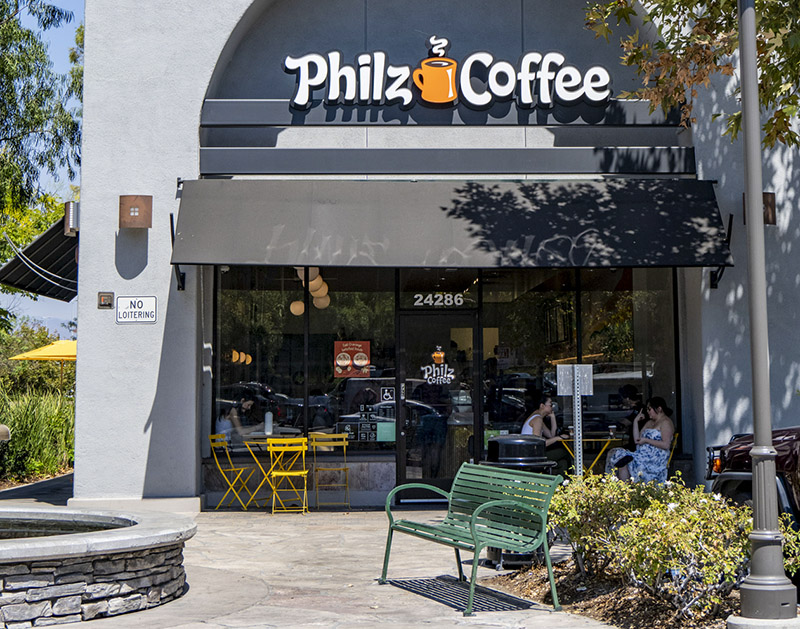
Philz Coffee is facing backlash after directing its shops to remove Pride flags and related decor from in-store displays.
A petition launched on Change.org by individuals claiming to be Philz baristas alleges the coffee chain ordered Pride flags removed from nearly 60 stores across California and Illinois, saying the directive has "left many team members and customers feeling confounded and unsupported."
"The pride flags within the stores hold deep meaning and value to both staff and visitors, symbolizing that these locations are safe and welcoming spaces for all individuals, regardless of sexual orientation or gender identity," the petition states. "Removing these flags risks alienating a core group of team members and loyal customers who see Philz not just as a coffee shop, but as a place where they are embraced and celebrated for who they are."
These are challenging times for news organizations. And yet it’s crucial we stay active and provide vital resources and information to both our local readers and the world. So won’t you please take a moment and consider supporting Metro Weekly with a membership? For as little as $5 a month, you can help ensure Metro Weekly magazine and MetroWeekly.com remain free, viable resources as we provide the best, most diverse, culturally-resonant LGBTQ coverage in both the D.C. region and around the world. Memberships come with exclusive perks and discounts, your own personal digital delivery of each week’s magazine (and an archive), access to our Member's Lounge when it launches this fall, and exclusive members-only items like Metro Weekly Membership Mugs and Tote Bags! Check out all our membership levels here and please join us today!






You must be logged in to post a comment.