A transgender nurse is suing the Iowa Department of Corrections for denying him access to men’s restrooms and locker rooms, and denying coverage for medically necessary health care.
The lawsuit is believed to be the first transgender rights case filed in Iowa courts since 2007, when state lawmakers passed a law prohibiting discrimination based on sexual orientation and gender identity. The lawsuit claims the Department of Corrections violated that exact law by refusing to treat Jesse Vroegh according to his gender identity.
Vroegh claims that his supervisors denied him access to men’s facilities even after he transitioned and presented as male for several months. In 2016, Vroegh’s supervisors told him and his union representative that they had decided to bar Vroegh from male-only spaces because transgender issues were “too controversial.”
Instead, they demanded that Vroegh be forced to use a unisex private restroom to dress and store his belongings, isolating him from his co-workers. Because the unisex restroom didn’t have a shower, he was effectively barred from being able to shower before or after his shift.
“Jesse has a right to fair and equal treatment in the workplace, as do all Iowans,” Rita Bettis, legal director for the ACLU of Iowa, said in a statement. “It’s disappointing that this case involves the State of Iowa, which should be providing leadership in creating work environments that are free from discrimination based on gender identity. But here, unfortunately, it has done just the opposite.”
The lawsuit also claims the Department of Corrections refused to provide coverage for transition-related surgical procedures, even though cisgender employees who need procedures like mastectomies can have them covered by insurance.
“The DOC has further discriminated against Vroegh by denying him coverage for his medically necessary healthcare for no reason other than his being transgender,” Bettis added. “The same type of surgical procedures that Vroegh needs are covered for state employees who are not transgender. This is the kind of discrimination Iowa law prohibits.”
Vroegh had previously filed a complaint with the Iowa Civil Rights Commission alleging that he had been discriminated against. In late March, the commission determined there was a “reasonable possibility” that it would later make a “probable cause determination” that the Department of Corrections discriminated against Vroegh.
“Transgender Iowans are just as important to the workplace and the community as anyone else,” Melissa Hasso, one of Vroegh’s attorneys, said in a statement. “Jesse simply wants to be treated equally. The Iowa Civil Rights Act and the Iowa Constitution guarantee him that right.
“It is disappointing that the State of Iowa, through the Department of Corrections, has once again made the decision not to follow its own laws on this point,” added Hasso. “The State has repeatedly taken this position to the taxpayers’ detriment, as demonstrated by recent verdicts in favor of other state employees who suffered workplace discrimination. We would very much like to see the State take a leadership role in eliminating workplace discrimination rather than excusing it.”
Vroegh has since left his DOC job and has become an assistant director of nursing at a private facility, where he is allowed to use men’s facilities. His medical coverage at the new employer hasn’t started yet, so it’s unknown whether he will be able to obtain coverage for medically necessary transition-related care.
“This process has not been easy,” Vroegh said in a statement. “I’m doing it because I feel I need to fight for the rights not only of transgender people who work for the state but for other Iowa workers as well. I’m not asking for any special treatment of myself or any other transgender person. All I’m asking for is that transgender people be treated the same way as people who are not transgender.”
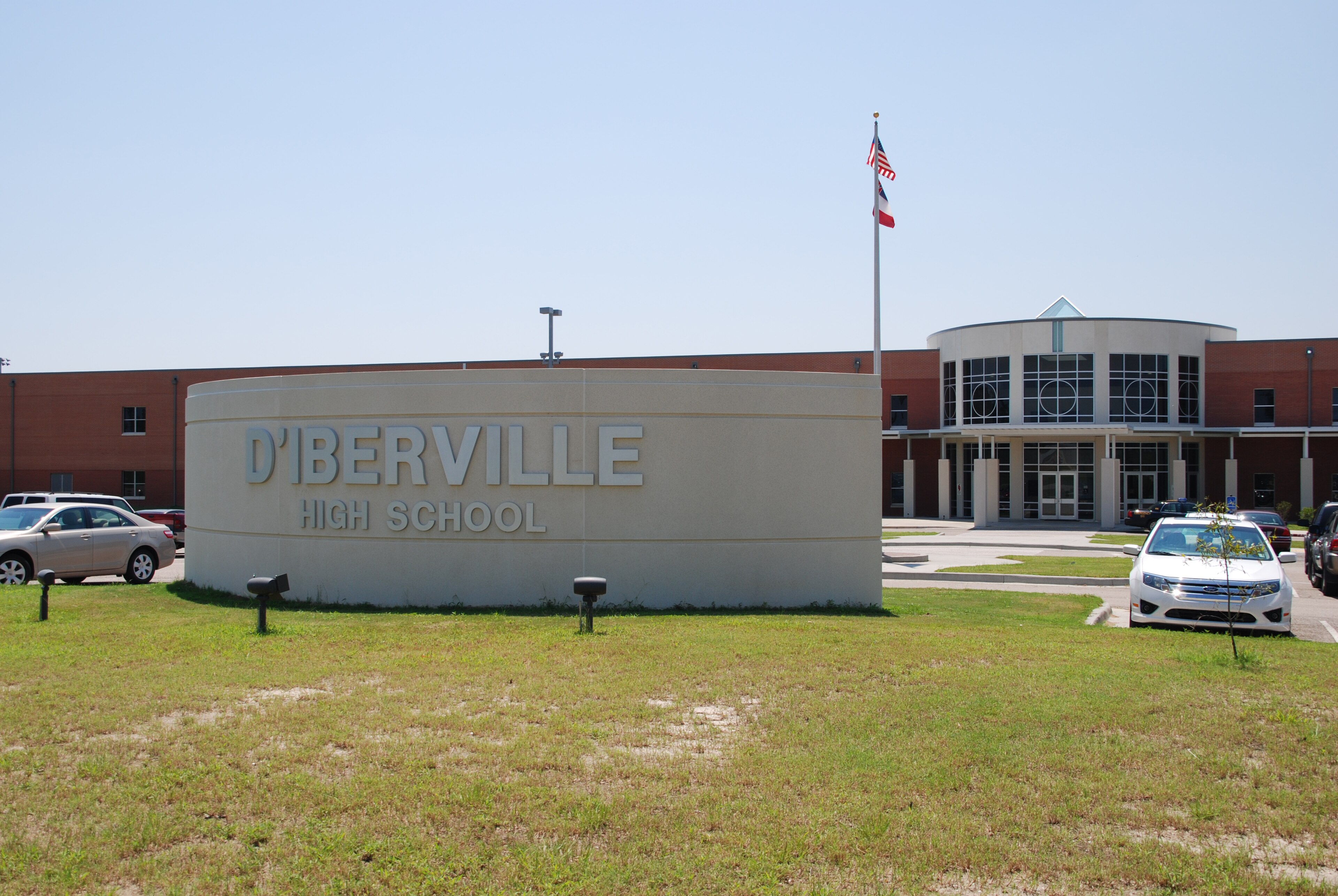
A Mississippi high school is facing backlash after a Facebook post celebrating the salutatorian of its 2026 graduating class referred to the transmasculine student by his deadname and appeared to digitally alter his face to make him appear more feminine.
The post, published May 17 by D'Iberville High School in Biloxi, Mississippi, congratulated student Jonas Hole on his achievement. The accompanying photo showed Hole in his U.S. Army Junior ROTC uniform.
"Pride. Tradition. Excellence. Congratulations to our DHS Salutatorian," the post reads, using Hole's deadname.
USA Powerlifting has settled a lawsuit with JayCee Cooper, a transgender woman who sued in 2021 after being barred from two women’s competitions in 2018, following a Minnesota Supreme Court ruling last October that the organization discriminated against her.
Cooper was undergoing hormone therapy in 2018 to lower her testosterone levels and sought a medical exemption, as the treatment is prohibited by the World Anti-Doping Agency.
Although USA Powerlifting did not have a policy on transgender competitors when Cooper applied, it soon issued a blanket ban prohibiting transgender women from competing in female-designated competitions and barring transgender men from competing if they were taking testosterone as part of their transition.
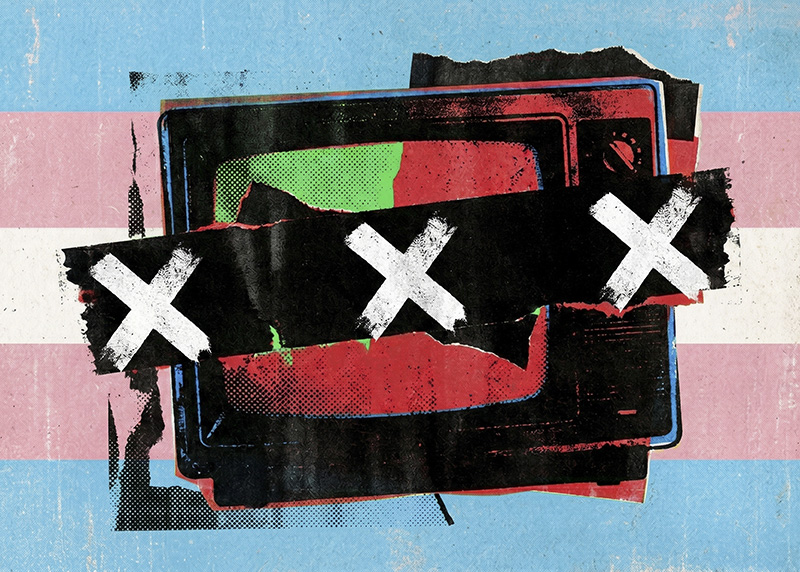
FCC Chair Brendan Carr is seeking public comment on proposed changes to the parental ratings system that would flag content related to gender identity.
Federal Communications Commission Chair Brendan Carr is seeking public input on whether television programs that address transgender issues or feature trans or nonbinary characters should carry warning labels.
The FCC oversees broadcast and cable TV companies and helps shape the ratings system that guides parents on whether shows are appropriate for children.
In 1996, Congress gave TV companies the option to create their own voluntary ratings system or adopt one imposed by the FCC. The companies chose to create their own system, forming the TV Oversight Management Board, which developed the TV Parental Guidelines still used today for cable, satellite, and streaming services.
These are challenging times for news organizations. And yet it’s crucial we stay active and provide vital resources and information to both our local readers and the world. So won’t you please take a moment and consider supporting Metro Weekly with a membership? For as little as $5 a month, you can help ensure Metro Weekly magazine and MetroWeekly.com remain free, viable resources as we provide the best, most diverse, culturally-resonant LGBTQ coverage in both the D.C. region and around the world. Memberships come with exclusive perks and discounts, your own personal digital delivery of each week’s magazine (and an archive), access to our Member's Lounge when it launches this fall, and exclusive members-only items like Metro Weekly Membership Mugs and Tote Bags! Check out all our membership levels here and please join us today!







You must be logged in to post a comment.