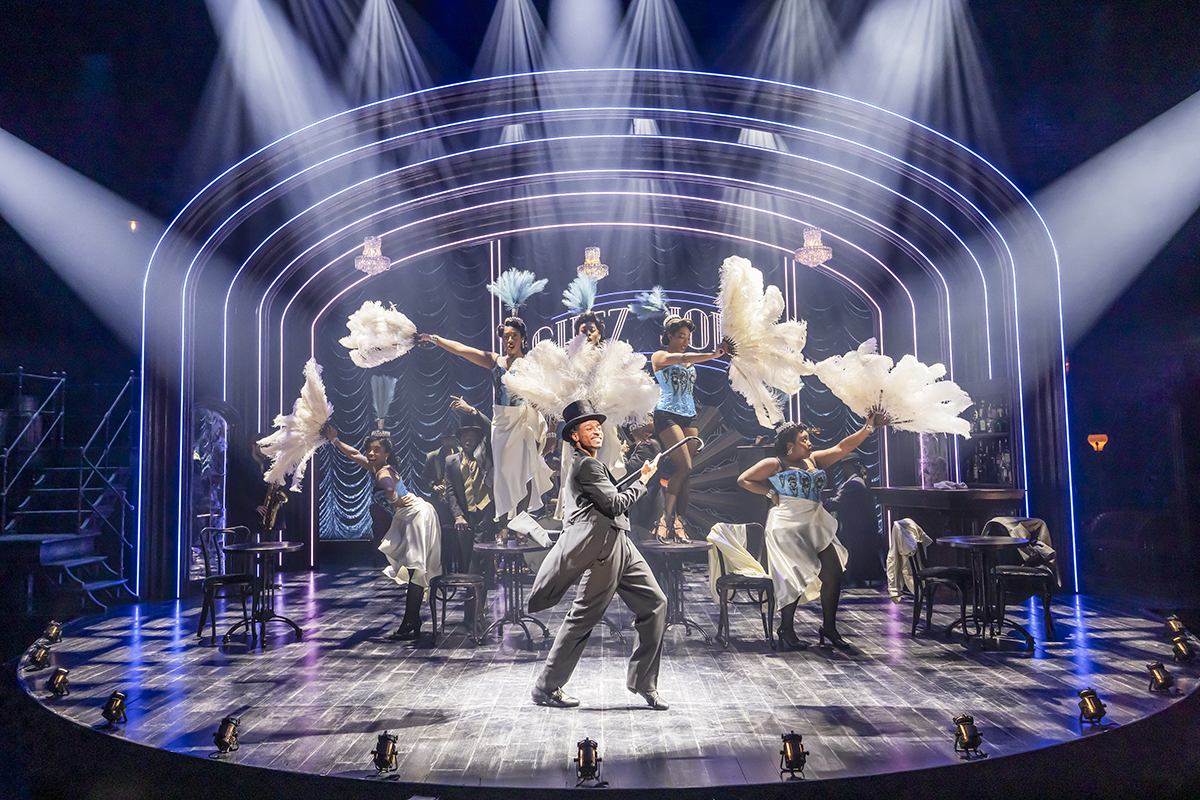
Of the many dazzling qualities distinguishing Savion Glover and Tony Goldwyn's staging of the sassy jazz musical Chez Joey at Arena, let's speak first of Awa Sal Secka. The D.C. theater audience is lucky to have her, and the award-winning actress finds a fine showcase for her sublime voice and performance chops as the show's steel magnolia, Linda English.
The names remain the same in this feisty re-imagining of the 1940 Rodgers & Hart hit Pal Joey, where songbird Linda, fresh to Chicago from South Carolina, lands herself in a love triangle with smooth-talking club entertainer Joey Evans (Myles Frost), who also romances his rich benefactress Vera Simpson (Samantha Massell).
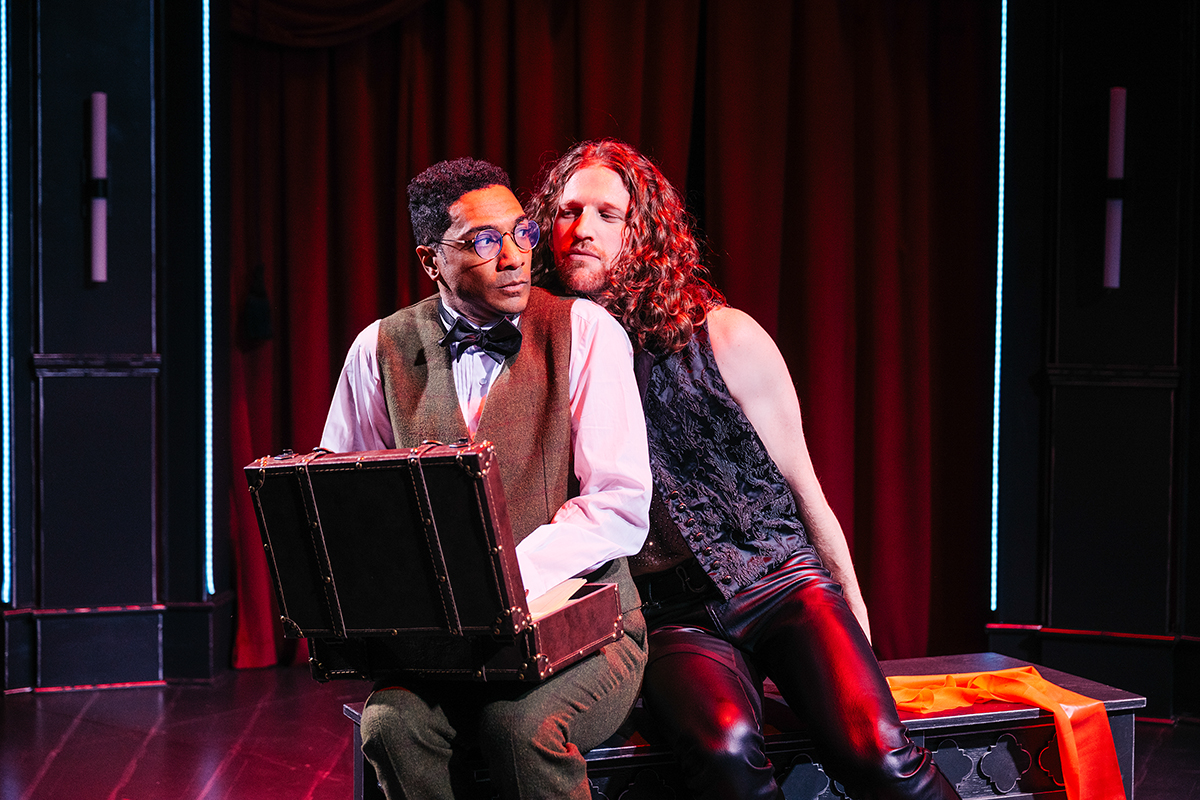
Constellation conducts some wickedly funny business with Dracula: A Comedy of Terrors, Gordon Greenberg and Steve Rosen's screwball spoof of Bram Stoker's gothic horror tale. Zingy and zany, Nick Martin's production is maybe not as sidesplittingly hilarious as the company's friends in the house on opening night might have you believe, but it's still damn funny.
True to the chilling atmosphere of the novel, the play begins with a warning to intrepid hero Jonathan Harker (Sentell Harper) that nothing "but death, destruction, and evil" awaits inside the castle of Count Dracula. Of course, in this comic spin, what actually awaits are Mel Brooksian parody, sexed-up silliness, and blood-sucking shenanigans presided over by a louche, leather-clad Count looking for love.
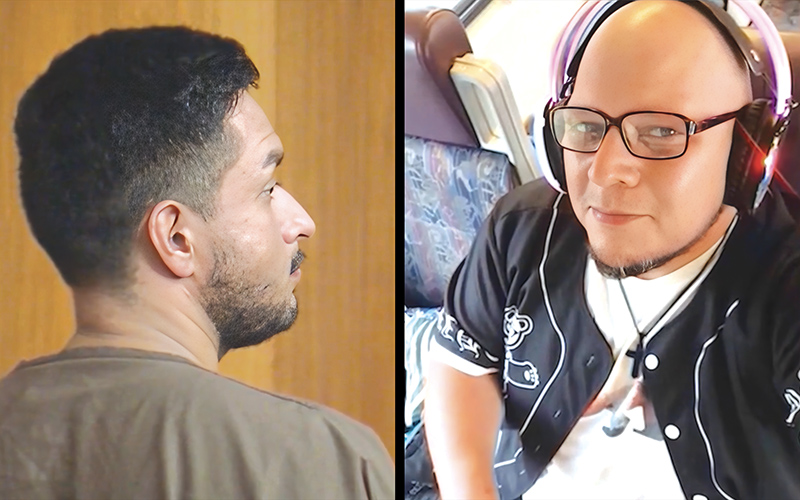
Fredi Rivera will serve 21 years in prison after pleading no contest to voluntary manslaughter for the September 2023 fatal shooting of gay rights activist Daniel Landeros in Bakersfield’s Yokuts Park.
While Rivera, 29, agreed to the plea deal -- downgraded from an initial first-degree murder charge -- he refused to admit guilt in the 43-year-old’s death, according to Bakersfield NBC affiliate KGET.
The plea deal makes it more difficult to bring civil lawsuits against Rivera, for whom a guilty plea would have served as a formal admission of fault in Landeros’s death.
These are challenging times for news organizations. And yet it’s crucial we stay active and provide vital resources and information to both our local readers and the world. So won’t you please take a moment and consider supporting Metro Weekly with a membership? For as little as $5 a month, you can help ensure Metro Weekly magazine and MetroWeekly.com remain free, viable resources as we provide the best, most diverse, culturally-resonant LGBTQ coverage in both the D.C. region and around the world. Memberships come with exclusive perks and discounts, your own personal digital delivery of each week’s magazine (and an archive), access to our Member's Lounge when it launches this fall, and exclusive members-only items like Metro Weekly Membership Mugs and Tote Bags! Check out all our membership levels here and please join us today!