Doctor Who, The Star Beast promotional shot of actors David Tennant and Yasmin Finney – Photo: Disney+
The BBC reports that it received over 100 complaints over the inclusion of Rose, a transgender character played by Yasmin Finney, in the recent Doctor Who special, The Star Beast.
The special episode was watched by more than 7.6 million people, so the 144 complaints comprise a minuscule portion of the audience. But those most vehemently opposed to transgender visibility are often the most vocal.
According to Deadline, the chief complaints about Finney’s inclusion were that her character was “anti-male,” while others criticized the TV series for the “inappropriate inclusion of [a] transgender character.”
In the series, Rose is the daughter of Shaun and Donna, the latter played by British actress Catherine Tate. Although her family supports her transition, they are depicted as still coming to terms with her pronouns.
At one point in The Star Beast, Tate’s character tells her mother of her pride in her transgender daughter.
“You have a kid. You think, ‘Good I’ve got it, that’s mine.’ Then she grows up into this extraordinarily beautiful thing and you think, ‘Where the hell did she come from? How lucky am I?'”
Returning showrunner Russell T Davies has spoken about aiming to reflect more of society on screen. During a press conference last month he lamented over how transgender representation is often vilified by the press — especially the right-leaning tabloid newspapers and websites.
Speaking to Entertainment Weekly, Davies said viewers can expect to see more of Finney — beloved for her role as Elle on Heartstopper — hinting that Rose will pop up later in the series. He strongly defended the casting of the transgender actress in the role.
“I was writing a trans character who’s a teenager, part of a London family, of mixed race, and that’s an unusual set of conditions for a character to meet,” he said. “The list of people who would audition for that is not very long. Along came Yasmin, and we just closed the door after that, because there she was! She’s absolutely terrific, and she has more appearances to come, simply because I adore working with her.”
Finney — who has previously spoken about her estrangement from her extended family after transitioning — told the BBC that being part of the Doctor Who cast has given her “a kooky, amazing [chosen] family,” providing her the opportunity to work with longstanding Doctor Who fixtures like Tate and David Tennant, whom she’s admired since childhood.
Finney also acknowledged that there may be some confusion regarding her character’s name, Rose, and the character of Rose Tyler in the early 2000s, portrayed by actress Billie Piper.
“Everyone was like oh my God she’s taken Billie Piper’s role, what about Billie Piper? What’s happened? What’s happened?” Finney said. “No, guys, I’m simply just named after Rose.”
Regarding the hateful venom she’s gotten from people on social media for accepting the role, Finney largely downplayed the criticism, treating it as a part of the landscape for transgender actresses.
“Any sort of franchise that has been going years and you get a black trans woman playing the role, people are going to have their opinions,” she told the BBC.
“It’s so funny because when I get a hate comment, it’ll be, ‘Your acting was so bad and I hate trans people.’ Fair enough you had one opinion, but then when you tie my identity into it, it’s just kind of unfair,” she said.
“Ultimately, I just want to deliver a good performance. I want people to laugh, I want people to smile, I want people to cry. And also I just want to be good representation for people that haven’t had it.”
Finney hopes to be able to portray a number of different characters in a variety of roles, and not simply be typecast in trans roles. She appears to shun the idea that actors can only portray characters whose identities match their own real-life backgrounds.
“I think there needs to be such a more open space for any actor,” she said. “If you’re a good actor, you’re a good actor. It doesn’t matter your identity, your sexuality, if you can sell a story, you can sell a story.”
A transgender woman has filed a lawsuit against hotel giant Hilton, alleging that she was assaulted by a security guard at the Hilton Dallas Lincoln Centre while she was a registered guest.
According to the complaint, filed in the 192nd Civil District Court in Dallas County, Kimberly Barnett, an Afro-Latina transgender woman from Nebraska, was staying at the hotel in late June while attending Dallas Pride Weekend and other LGBTQ events.
Barnett returned to the Hilton Dallas Lincoln Centre around 3:45 a.m. on June 24 and attempted to "valet her vehicle," according to the lawsuit.
A New York City subway rider was slashed in the face earlier this month by an unidentified assailant who took offense to him kissing his transgender partner. The attack occurred around 7:50 p.m. on January 10 aboard a southbound No. 6 train as it traveled through Manhattan.
According to police, the 28-year-old victim was kissing his partner when the suspect began shouting anti-gay slurs. The verbal abuse quickly escalated into a physical confrontation. During the argument, the suspect struck the victim with a sharp object, causing a deep laceration on the right side of his face, according to New York CW affiliate WPIX.
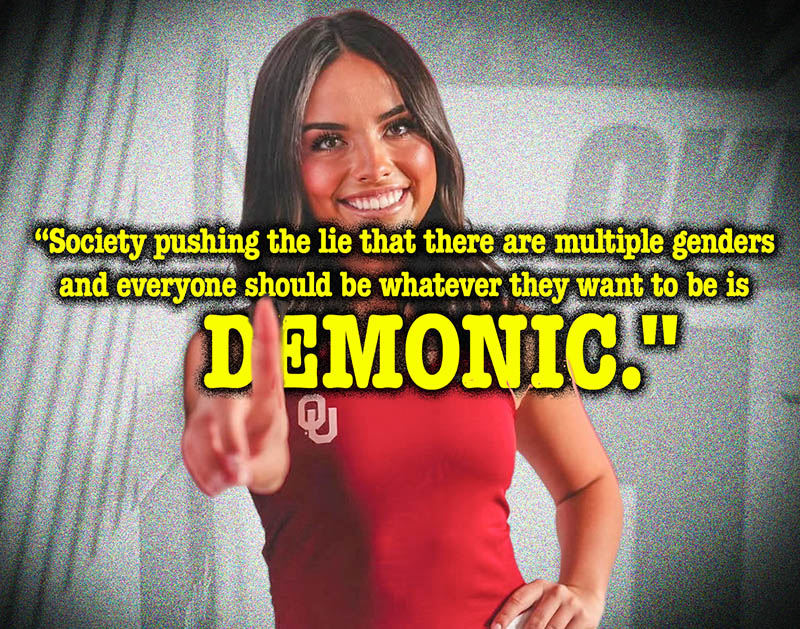
In late November, the University of Oklahoma placed Mel Curth on administrative leave after the transgender graduate teaching assistant gave a student a zero on an essay about gender roles.
The essay cited the Bible to defend traditional gender roles and described transgender people as "demonic." Curth and the course's instructor, Megan Waldron, said the paper failed to meet basic academic standards due to a lack of empirical evidence. Both noted that the paper cited no scholarly sources and failed to offer an evidence-based critique of the assigned article, which argued that children who do not conform to rigid gender stereotypes are more likely to face bullying and negative mental health outcomes.
These are challenging times for news organizations. And yet it’s crucial we stay active and provide vital resources and information to both our local readers and the world. So won’t you please take a moment and consider supporting Metro Weekly with a membership? For as little as $5 a month, you can help ensure Metro Weekly magazine and MetroWeekly.com remain free, viable resources as we provide the best, most diverse, culturally-resonant LGBTQ coverage in both the D.C. region and around the world. Memberships come with exclusive perks and discounts, your own personal digital delivery of each week’s magazine (and an archive), access to our Member's Lounge when it launches this fall, and exclusive members-only items like Metro Weekly Membership Mugs and Tote Bags! Check out all our membership levels here and please join us today!





The BBC reports that it received over 100 complaints over the inclusion of Rose, a transgender character played by Yasmin Finney, in the recent Doctor Who special, The Star Beast.
The special episode was watched by more than 7.6 million people, so the 144 complaints comprise a minuscule portion of the audience. But those most vehemently opposed to transgender visibility are often the most vocal.
According to Deadline, the chief complaints about Finney’s inclusion were that her character was “anti-male,” while others criticized the TV series for the “inappropriate inclusion of [a] transgender character.”
In the series, Rose is the daughter of Shaun and Donna, the latter played by British actress Catherine Tate. Although her family supports her transition, they are depicted as still coming to terms with her pronouns.
At one point in The Star Beast, Tate’s character tells her mother of her pride in her transgender daughter.
“You have a kid. You think, ‘Good I’ve got it, that’s mine.’ Then she grows up into this extraordinarily beautiful thing and you think, ‘Where the hell did she come from? How lucky am I?'”
Returning showrunner Russell T Davies has spoken about aiming to reflect more of society on screen. During a press conference last month he lamented over how transgender representation is often vilified by the press — especially the right-leaning tabloid newspapers and websites.
Speaking to Entertainment Weekly, Davies said viewers can expect to see more of Finney — beloved for her role as Elle on Heartstopper — hinting that Rose will pop up later in the series. He strongly defended the casting of the transgender actress in the role.
“I was writing a trans character who’s a teenager, part of a London family, of mixed race, and that’s an unusual set of conditions for a character to meet,” he said. “The list of people who would audition for that is not very long. Along came Yasmin, and we just closed the door after that, because there she was! She’s absolutely terrific, and she has more appearances to come, simply because I adore working with her.”
Finney — who has previously spoken about her estrangement from her extended family after transitioning — told the BBC that being part of the Doctor Who cast has given her “a kooky, amazing [chosen] family,” providing her the opportunity to work with longstanding Doctor Who fixtures like Tate and David Tennant, whom she’s admired since childhood.
Finney also acknowledged that there may be some confusion regarding her character’s name, Rose, and the character of Rose Tyler in the early 2000s, portrayed by actress Billie Piper.
“Everyone was like oh my God she’s taken Billie Piper’s role, what about Billie Piper? What’s happened? What’s happened?” Finney said. “No, guys, I’m simply just named after Rose.”
Regarding the hateful venom she’s gotten from people on social media for accepting the role, Finney largely downplayed the criticism, treating it as a part of the landscape for transgender actresses.
“Any sort of franchise that has been going years and you get a black trans woman playing the role, people are going to have their opinions,” she told the BBC.
“It’s so funny because when I get a hate comment, it’ll be, ‘Your acting was so bad and I hate trans people.’ Fair enough you had one opinion, but then when you tie my identity into it, it’s just kind of unfair,” she said.
“Ultimately, I just want to deliver a good performance. I want people to laugh, I want people to smile, I want people to cry. And also I just want to be good representation for people that haven’t had it.”
Finney hopes to be able to portray a number of different characters in a variety of roles, and not simply be typecast in trans roles. She appears to shun the idea that actors can only portray characters whose identities match their own real-life backgrounds.
“I think there needs to be such a more open space for any actor,” she said. “If you’re a good actor, you’re a good actor. It doesn’t matter your identity, your sexuality, if you can sell a story, you can sell a story.”
More from Metro Weekly: