Come See Me in the Good Light – Andrea Gibson and Megan Falley
Forced by a cancer diagnosis to step back from a career of popular books and sold-out national tours, rock star spoken-word poet Andrea Gibson rallied with their partner, poet Megan Falley, and friends and family to fight for their life.
Then, as intimately chronicled in Ryan White’s documentary Come See Me in the Good Light, premiering on Apple TV+, Gibson learned that, even after surgery, radiation, and rounds of chemo, their ovarian cancer was incurable. And Gibson decided they didn’t want to waste a second of the brief time they have left.
In the film, Gibson is a figure in constant motion, in myriad ways. Toiling around the house and yard they share with Falley on a remote mountain road, or managing the physical toll of their illness and various treatments, or reclining on a sofa editing their own work with intensity, Gibson remains restless, unquiet.
Mental wheels always turning, they set a profound example of eking out every moment they can to create, record, love, be loved, fix their fallen mailbox again and again, and hopefully return to the stage at least once while they can.
Asked by their manager about working towards being well enough to book an engagement many months down the line, Gibson cheekily points out that if they’re not able to make that date, they won’t feel too bad about it.
Gibson’s cutting sense of humor serves as a pillar of their resolve, and of this movie, conveyed in candid scenes at home with Falley, as well as in their poetry readings and performances. Of course, Falley, shown working on a memoir detailing these tumultuous years, is a living pillar of support, and White expands the film’s focus to document their love story as they write its later — though not its final — chapters.
Humor plays an integral part in their relationship, too. That they can laugh at even the roid rage Gibson gets from the post-chemo steroids says plenty about what’s sustaining them as partners and artists.
They also both rely on speaking frankly about the good, the bad, and the ugly, whether it’s a bawdy discussion with their friend Steph about getting fingered, and thumbed, or Gibson’s harrowing recollection of once, years before accepting their queer identity, attempting to take their own life.
Gibson and Falley bare their lives and pain on-camera, while steadily seeking the light, surrounded by a circle of supporters, who happen to include many of Gibson’s exes. In the midst of the film’s bittersweet love story and real-life medical drama, a glimpse of the couple’s queer community comes into view.
Beyond the exes, that circle includes comedian Tig Notaro, a cancer survivor, and an executive producer of the film, along with Brandi Carlile and Sara Bareilles. Notaro shows up, hanging out with Gibson backstage at a show, while Bareilles and Carlile’s affecting duet “Salt Then Sour Then Sweet” plays us out over the closing credits.
Carlile’s breakthrough tune “The Story” provides rousing, if a bit schmaltzy, underscore to another pivotal scene. But the most powerful performances, and lyrical content, are Gibson’s, including excerpts of their poems “Boomerang Valentine” and “Living Proof,” and anthemic ode to discovering their gender, “Your Life.”
In one poem, Gibson captures their life in the little things that touch their soul, like fixing that forever-broken mailbox, and building cute, little tree patios with mini umbrellas to feed the squirrels in their yard. The poem is illustrated onscreen by scenes from the life Gibson and Falley share, a poignant record of their inside jokes and recurring disagreements, their past, present, and hopes for the future.
Come See Me in the Good Light (★★★★☆) is available for streaming on Apple TV+. Visit www.apple.com/apple-tv-plus.
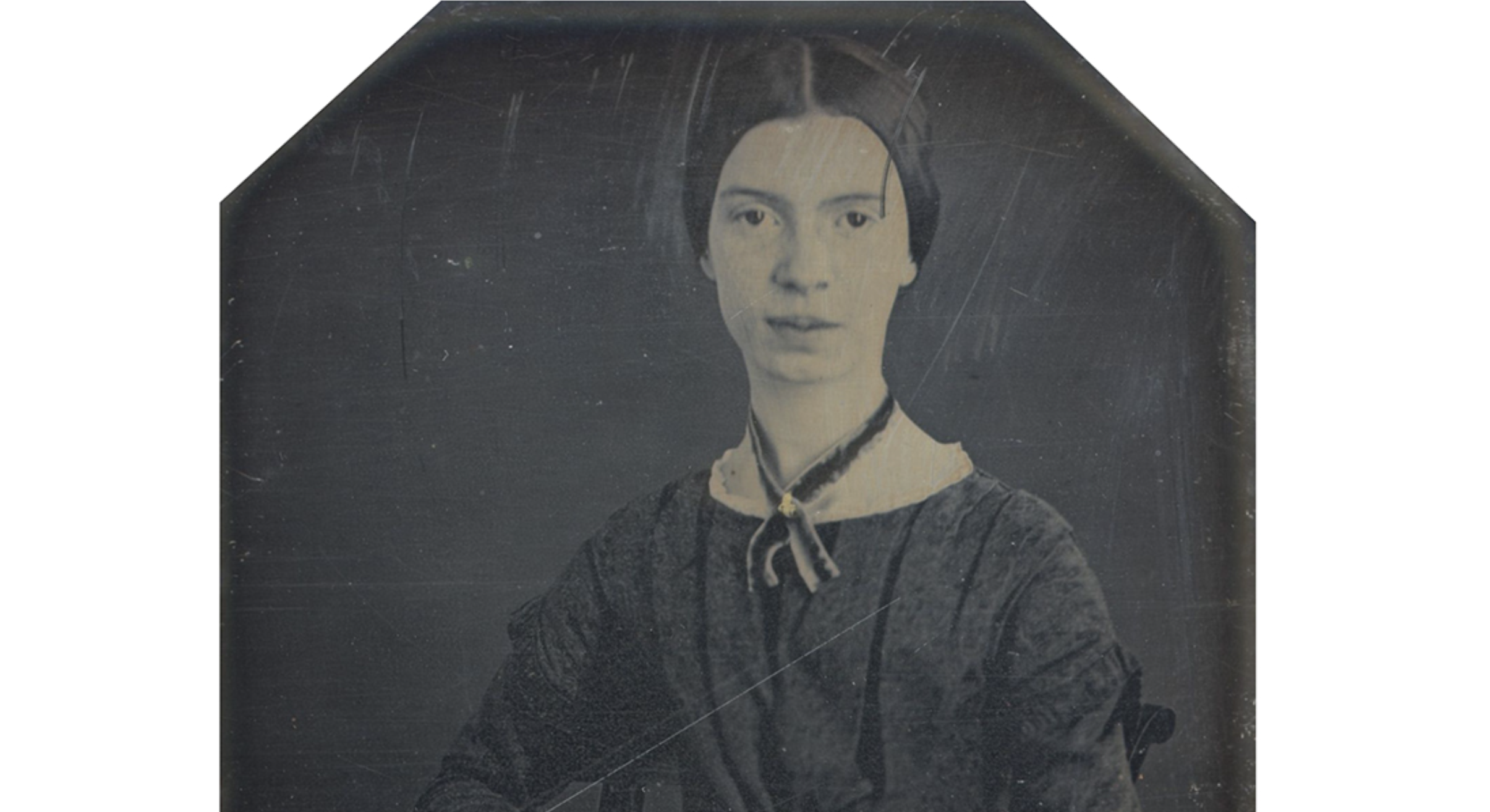
When Martha Nell Smith was a child, she was given a book called The Golden Treasury of Poetry. "I was a nerdy kid, I liked to read," the 72-year-old academic says, adding, "I also liked to play. I was a very sporty kid too. I was a tomboy."
The book contained several poems by Emily Dickinson. "I thought these look so simple, but when you think about it, they are really weird," she says. "But you could say that about almost any Dickinson poem."
Smith recounts the long and winding path that led her to become one of the foremost experts on Emily Dickinson, with a particular focus on the poet's secretly romance-laden letters to her sister-in-law, Susan Dickinson.
Documentaries generally don't need an onscreen host. The camera can play host, and real-life stories can tell themselves, with offscreen prompting from research and production, and shrewd direction and editing providing context.
If a filmmaker wants to put the prompting onscreen, there's a delicate art to inserting themselves or an on-camera host into the story without stealing the spotlight from their subject.
Ryan Ashley Lowery, director and creator of the LGBTQ doc Light Up, is anything but delicate in inserting himself and two on-camera host-interviewers -- Michael Mixx and Maurice Eckstein -- into the film's still-compelling portrait of Atlanta's "community of Black same gender loving men and trans women."
These are challenging times for news organizations. And yet it’s crucial we stay active and provide vital resources and information to both our local readers and the world. So won’t you please take a moment and consider supporting Metro Weekly with a membership? For as little as $5 a month, you can help ensure Metro Weekly magazine and MetroWeekly.com remain free, viable resources as we provide the best, most diverse, culturally-resonant LGBTQ coverage in both the D.C. region and around the world. Memberships come with exclusive perks and discounts, your own personal digital delivery of each week’s magazine (and an archive), access to our Member's Lounge when it launches this fall, and exclusive members-only items like Metro Weekly Membership Mugs and Tote Bags! Check out all our membership levels here and please join us today!





You must be logged in to post a comment.