
South Dakota Bans Trans Health Treatments
Law prohibits doctors from prescribing treatments that affirm trans youths' gender identity or assist them in transitioning.

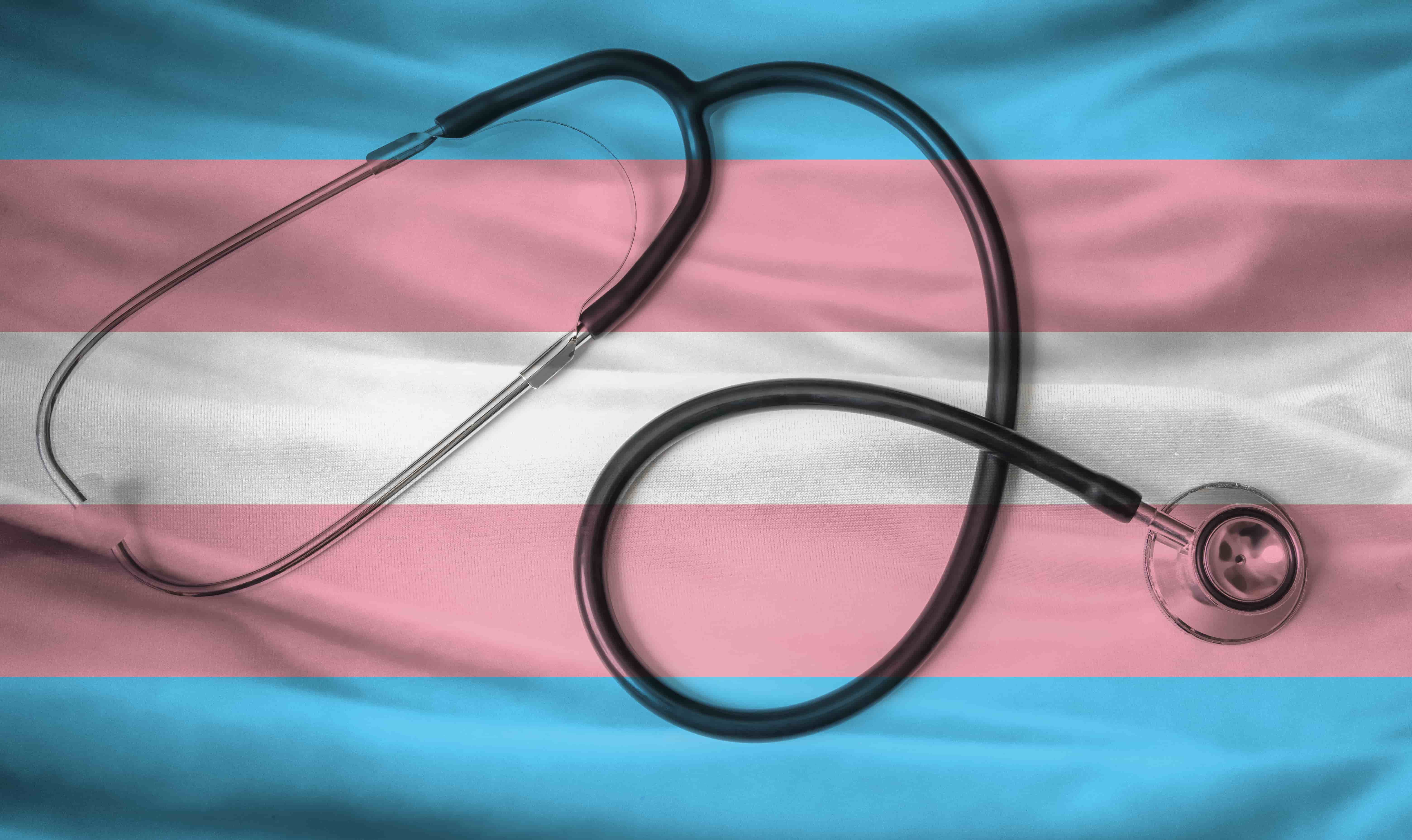
South Dakota Gov. Kristi Noem has signed a bill prohibiting people under 18 from accessing gender-affirming health care treatments into law.
Under the bill, which was passed by both chambers of the state legislature on party-line votes, doctors are prohibited from prescribing any health care treatment for gender dysphoria, or that would “alter the appearance of” a minor’s body or “validate a minor’s perception of” a gender identity that does not match their assigned sex at birth.
The bill makes South Dakota the sixth state to place some type of restrictions on gender-affirming health treatments intended to assist a person in transitioning.
That includes interventions like puberty blockers, hormone therapy, and gender confirmation surgery — although experts note that surgery is already rarely performed on minors.
Supporters of the bill say it’s needed to protect young people from making irreversible medical decisions that they may later come to regret once they “grow out of” their feelings of gender dysphoria.
But opponents of the bill, including health care providers and most major medical organizations, argue that some less invasive gender-affirming treatments are beneficial to trans-identifying youth and can reduce feelings of suicidal ideation.
“South Dakota’s kids are our future,” Noem said on Monday after signing the bill. “With this legislation, we are protecting kids from harmful, permanent medical procedures. I will always stand up for the next generation of South Dakotans.”
Opponents have also criticized the bill for overstepping and infringing on personal health care decisions and parental rights by inserting the state into private, family decisions.
They also accuse Noem of pushing divisive legislation to make herself a more appealing candidate to social conservatives ahead of a possible 2024 run for the presidency.
“This ban denies transgender and nonbinary youth crucial support and care. Even in the face of professional guidance from every major medical and mental health association in the country that supports this type of care, politicians are intruding into the private medical decisions best left to transgender young people and their families,” Casey Pick, the director of law and policy for The Trevor Project, the nation’s largest LGBTQ suicide prevention group, said in a statement.
“We are committed to keep fighting for the rights of young trans South Dakotans to access the best-practice, medically necessary health care they need to survive and thrive. We are here for you and we aren’t going anywhere,” Pick added.
According to The Trevor Project’s 2022 U.S. National Survey on LGBTQ Youth Mental Health by State, 53% of LGBTQ youth in South Dakota seriously considered suicide, with about 1 in 5 attempting to kill themselves. Nationally, about 7 in 10 transgender or nonbinary youth say they’ve experienced discrimination due to their gender identity — a factor that can affect a person’s decision to contemplate suicide.
Additionally, polling by The Trevor Project finds that 86% of trans and nonbinary youth say recent debates over anti-LGBTQ bills, like measures to ban gender-affirming care, have negatively impacted their mental health.
However, advocates point to a 2021 peer-reviewed study by The Trevor Project that indicates that gender-affirming care may actually reduce suicidal ideation.
The study, which examined 9,000 youth who received gender-affirming care, found that trans and nonbinary youth who received such treatments were 40% less likely to report feeling depressed or having attempted suicide in the past year than their peers who did not receive such treatments.
More from Metro Weekly:




Support Metro Weekly’s Journalism
These are challenging times for news organizations. And yet it’s crucial we stay active and provide vital resources and information to both our local readers and the world. So won’t you please take a moment and consider supporting Metro Weekly with a membership? For as little as $5 a month, you can help ensure Metro Weekly magazine and MetroWeekly.com remain free, viable resources as we provide the best, most diverse, culturally-resonant LGBTQ coverage in both the D.C. region and around the world. Memberships come with exclusive perks and discounts, your own personal digital delivery of each week’s magazine (and an archive), access to our Member's Lounge when it launches this fall, and exclusive members-only items like Metro Weekly Membership Mugs and Tote Bags! Check out all our membership levels here and please join us today!




You must be logged in to post a comment.