Amy Coney Barrett – Photo: United States Supreme Court
In her first televised interview since her 2020 confirmation, U.S. Supreme Court Justice Amy Coney Barrett appeared on CBS Sunday Morning to promote her new book, offering only vague commentary to host Norah O’Donnell in defense of the Court’s legitimacy when asked whether justices might overturn Obergefell v. Hodges.
Barrett was pressed on recent remarks from former Secretary of State Hillary Clinton, who told the Raging Moderates podcast that the Court will likely “do to gay marriage what they did to abortion” and “send it back to the states.”
Clinton was pointing to the Court’s 2022 Dobbs v. Jackson Women’s Health Organization ruling, which overturned Roe v. Wade and held that abortion rights are not guaranteed under the Constitution.
Asked to respond to Clinton’s comments, Barrett said, “I think people who criticize the court, or who are outside the court, say a lot of different things […] we have to tune those things out.”
The Supreme Court faces historically low approval among the American public. A September 2025 Pew poll found just 48% of Americans view the institution favorably, its lowest rating ever. A Gallup survey in July recorded even weaker support, with approval at only 39%.
Barrett is not seen as a guaranteed vote to overturn Obergefell. Many outlets describe her instead as a potential swing justice if the issue comes before the Court.
During the interview, O’Donnell noted a passage in Barrett’s book where she describes “the rights to marry” as “fundamental,” contrasting them with the “complicated moral debate” over abortion. Barrett was among the five justices who voted to overturn Roe.
Still, Barrett has pointed to Chief Justice John Roberts’ dissent in Obergefell. In a November 2016 lecture before joining the Court, she told an audience his dissent argued that “those who want same-sex marriage, you have every right to lobby in state legislatures to make that happen, but the dissent’s view was that it wasn’t for the court to decide.”
She then hinted the door could be open to overturning the ruling, telling the same audience, “I think Obergefell, and what we’re talking about for the future of the court, it’s really a who decides question.”
The Supreme Court will soon decide whether to hear a case that could return same-sex marriage to the states. The petition was filed in August by Kim Davis, the former Kentucky clerk who gained international attention for refusing marriage licenses to same-sex couples after Obergefell.
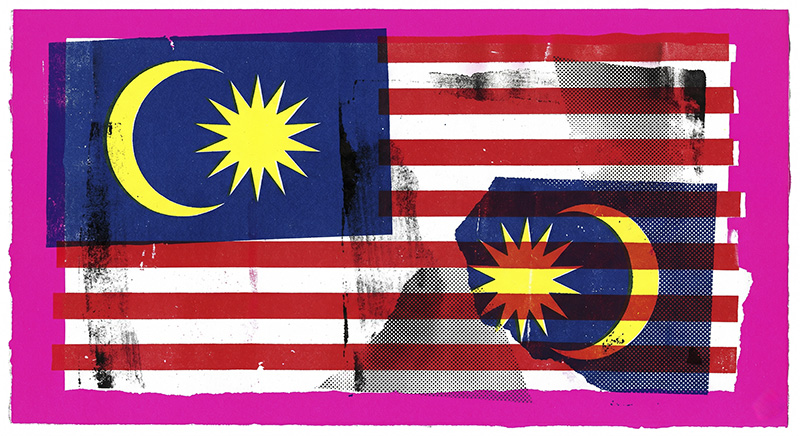
The Malaysian government is following through on a pledge to replace references to LGBTQ identity with the term "budaya songsang," which translates as "deviant culture."
In February, Marhamah Rosli, the deputy minister in the Prime Minister's Department (Religious Affairs), argued that replacing "LGBT" with "budaya songsang" in public discourse and on social media would prevent online algorithms from surfacing LGBTQ content and, in turn, prevent the "normalization" of queer culture.
"The more we utter, write, or state , the more 'pop-out' content related to it will appear," she said. "Without realizing it, we are promoting the culture unknowingly."
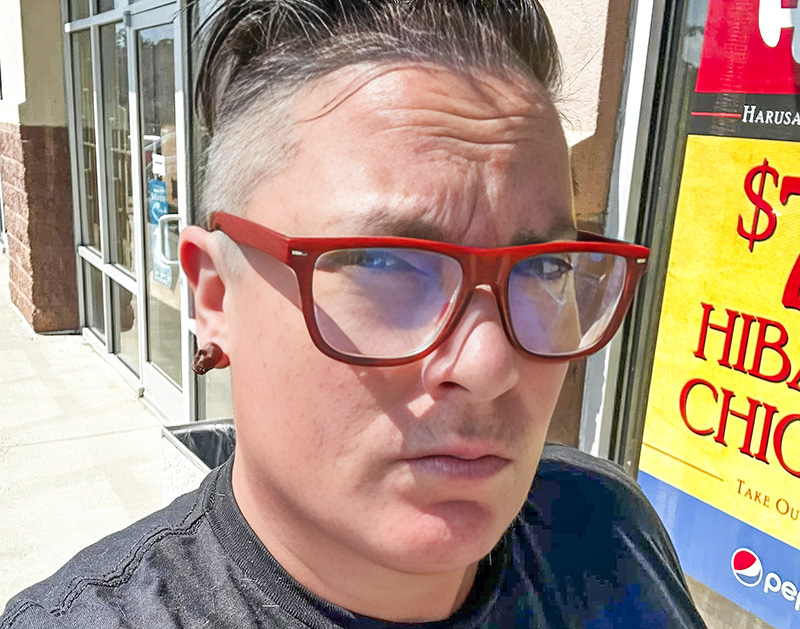
An LGBTQ organizer suffered a black eye after a man struck her in the face with a flagpole at a Pride event in Cary, North Carolina.
Sara Buxton, owner of The Night Market Company, which curates open-air markets throughout North Carolina's Triangle region, was hosting the Alphabet Soup Pride Market at Downtown Cary Park on June 13.
In a video posted to Instagram, Buxton said the event had been successful until a shirtless man she described as an "agitator" began running through the crowd carrying an American flag on a metal flagpole.
Buxton said she asked the man to put on a shirt before re-entering the event. She alleges he responded by striking her in the face with the flagpole while hurling homophobic slurs.
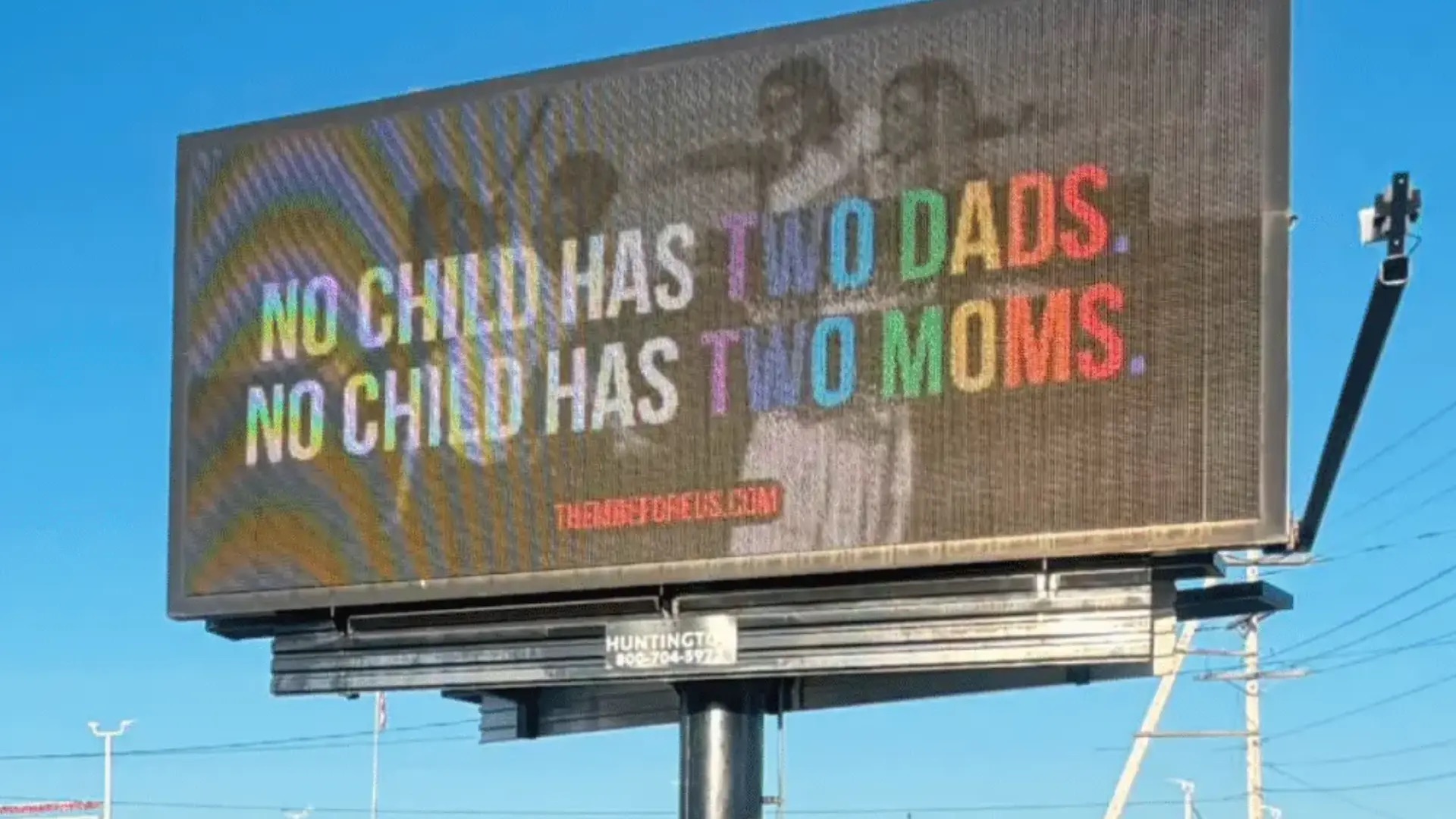
A billboard in Lima, Ohio, sponsored by a national organization seeking to overturn marriage equality has sparked backlash from LGBTQ advocates across the state.
The sign features rainbow-colored words against a black-and-white photo of an opposite-sex couple with children. It reads: "Not child has two dads. No child has two moms."
The billboard is part of a campaign by Them Before Us, a Seattle-based national organization seeking to reverse the U.S. Supreme Court's 2015 decision in Obergefell v. Hodges. The group, which argues that the sole purpose of marriage is to procreate and raise children, belongs to the coalition behind "Greater Than," an anti-marriage equality campaign backed by nearly four dozen right-wing and anti-LGBTQ organizations.
These are challenging times for news organizations. And yet it’s crucial we stay active and provide vital resources and information to both our local readers and the world. So won’t you please take a moment and consider supporting Metro Weekly with a membership? For as little as $5 a month, you can help ensure Metro Weekly magazine and MetroWeekly.com remain free, viable resources as we provide the best, most diverse, culturally-resonant LGBTQ coverage in both the D.C. region and around the world. Memberships come with exclusive perks and discounts, your own personal digital delivery of each week’s magazine (and an archive), access to our Member's Lounge when it launches this fall, and exclusive members-only items like Metro Weekly Membership Mugs and Tote Bags! Check out all our membership levels here and please join us today!







You must be logged in to post a comment.