Two men have been charged with vandalizing a rainbow-colored bench in Miami Beach with graffiti featuring a swastika and references to Adolf Hitler.
Surveillance video from Ocean Drive on May 18 captured two men sitting on the rainbow bench before one of them appeared to scribble graffiti onto the bench’s yellow section.
Upon closer inspection, the graffiti included a swastika and the phrase “Adolf was here” written in marker.
Before sitting down, surveillance cameras captured four men approaching the rainbow bench and gathering around it. One of the men appeared to pull an object from his fanny pack and hand it to another man.
After rising from the bench, the man accused of drawing the graffiti briefly stopped to photograph the area where it was written.
Moments after the four men left the area, Miami Beach Police tracked them down and detained them. Police later arrested 62-year-old Gunther Jekschtat and 58-year-old Christoph Rehak, both German tourists, on criminal mischief charges.
According to the arrest report, Rehak allegedly drew the swastika while Jekschtat used his body to shield him from passersby.
Both men reportedly told officers they thought the graffiti was a joke. Officers wrote in their report that they did not believe the men were motivated by anti-gay animus or intentionally committing a hate crime. However, the misdemeanor charges could still potentially be enhanced under Florida’s hate crime statute, resulting in harsher penalties if the men are convicted.
“Though they thought it was a joke, the joke’s on them, because they are behind bars,” Miami Beach Police spokesperson Christopher Bess told WSVN, calling the vandalism “an egregious act of hate.”
Rehak was released from jail on May 19 after posting a $1,000 bond and fled from cameras outside the facility. Jekschtat was released a day later and spoke with Miami-based independent news station WPLG.
“I sit beside the other boy. I don’t know. I sit beside the other boy [who] wrote it down,” Jekschtat said.
When asked what he wanted to say to people offended by the graffiti, Jekschtat repeatedly apologized.
“Sorry, I can say sorry for this,” he continued. “It’s not OK what they do, what we do. Sorry, sorry for this. It was a big mistake.” He added: “We are also no Nazi boys.”
Both men have been ordered to stay away from the area around 12th Street and Ocean Drive. Because they are German nationals visiting the United States, they will need a judge’s permission to leave the country. They are next scheduled to appear in court on Thursday, May 28.
“We were shocked to learn about reports that a bench in Miami Beach’s Lummus Park was defaced with Nazi symbols,” Christopher Burger, consul general at the German Consulate General Miami, said in an Instagram video. “Under German law the use of such symbols, like the swastika, is a criminal offense. We have reached out to city leadership and leaders in the Jewish community to offer our support — first of all in repairing the damage, but also to reassure the community that we have zero tolerance for antisemitism and acts of hate.”
Notably, Burger’s statement did not address the vandalism’s anti-LGBTQ overtones, including the fact that the graffiti was written on a bench painted in the colors of the Pride flag.
Burger’s response also overlooked Germany’s history of anti-LGBTQ persecution under the Nazi regime. An estimated 100,000 men were arrested under Paragraph 175, which criminalized homosexuality in Germany and occupied territories before and during World War II. Approximately 15,000 LGBTQ people were imprisoned in Nazi concentration camps, according to the National Holocaust Museum.
The rainbow bench was installed in April after Gov. Ron DeSantis ordered the Florida Department of Transportation to pave over rainbow crosswalks in Miami Beach and other jurisdictions. Pavers from the crosswalk were later reinstalled in Lummus Park — where the bench is located — and dedicated during Pride weekend.
Miami Beach Commissioner Joe Magazine, who donated the bench to the city alongside the rainbow pavers, called the vandalism a “gutshot,” saying the bench “wasn’t just a bench,” but a symbol of unity after the Pride crosswalks were erased.
“It wasn’t just about the LGBT community — it was about standing up for everybody, fighting against hate, fighting against hate of any kind,” Magazine told WSVN. The bench has since been removed for repairs, and a cone surrounded by police tape now marks the spot where it stood.
Magazine said the bench would be returned once repairs were completed.
“When people do things like this, they want people to be fearful. We are not,” he said of the vandalism. “We’re not fearful of anything. We will stand up against any type of hatred.”
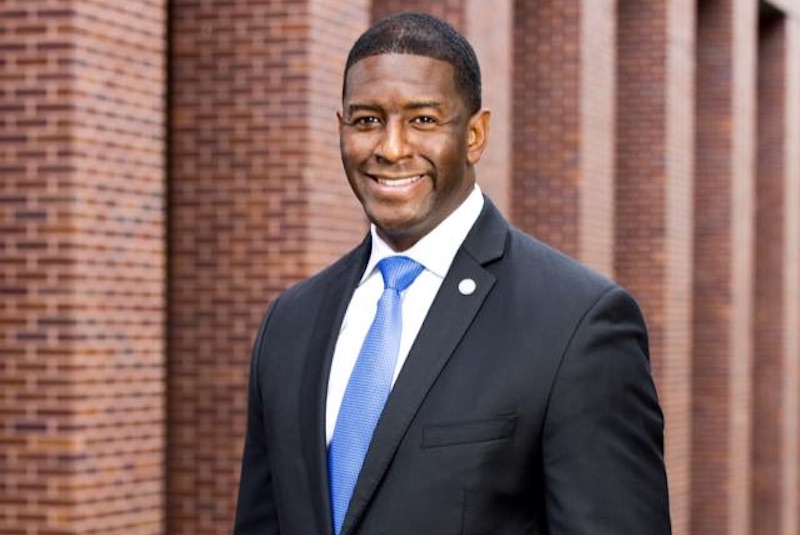
Andrew Gillum, the former mayor of Tallahassee and the Democratic nominee for Florida governor in 2018, has been arrested in Alabama on drug possession charges.
As first reported by TMZ, Baldwin County jail records show Gillum was arrested around 11:44 p.m. on July 2 in Daphne, Alabama, on charges of possessing dangerous drugs, marijuana, and drug paraphernalia. He was released the following day.
It remains unclear what "dangerous drugs" Gillum is accused of possessing.
The 46-year-old could face up to a year in jail and a $6,000 fine if convicted of the marijuana charge, a Class A misdemeanor under Alabama law.
Niger's military junta has enacted a new penal code criminalizing homosexuality.
The West African nation is the latest African country to criminalize homosexuality, just months after Senegal doubled the penalty for consensual same-sex relations.
The new penal code, which took effect on June 11, punishes anyone who "commits or attempts to commit an immodest or unnatural act or practices lesbian, gay, bisexual, trans-gender, Queer, intersex, Asexual (LGBTQIA+) acts" with five to 10 years in prison and a fine. How authorities would determine what constitutes an "asexual act" remains unclear.
Editor's note: This article contains graphic descriptions that may upsetting to readers.
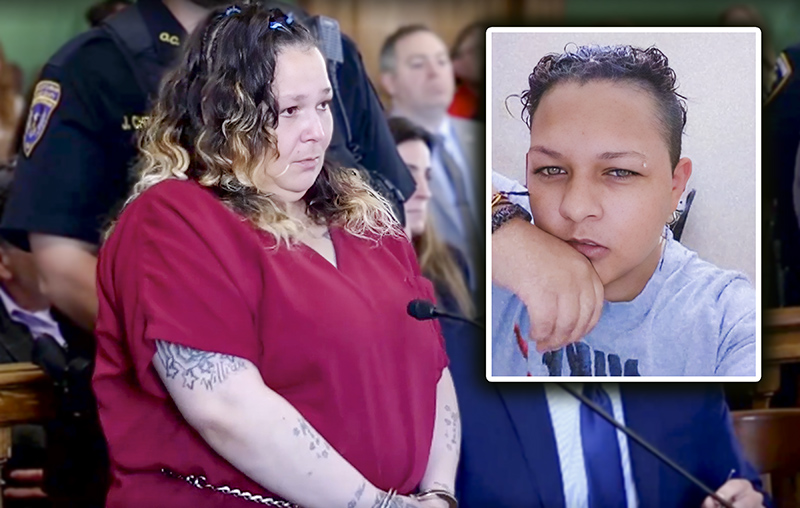
The woman described as the "ringleader" in the killing of transgender man Sam Nordquist in upstate New York has pleaded guilty to state charges, agreeing to a maximum sentence of life in prison without the possibility of parole.
Precious Arzuaga, 40, faced 11 charges, including first-degree murder, two counts of first-degree kidnapping, second-degree conspiracy, first-degree aggravated sexual abuse, and concealment of a corpse for her role in holding Nordquist captive, torturing him inside a Hopewell motel room, and disposing of his body in the winter of 2025.
These are challenging times for news organizations. And yet it’s crucial we stay active and provide vital resources and information to both our local readers and the world. So won’t you please take a moment and consider supporting Metro Weekly with a membership? For as little as $5 a month, you can help ensure Metro Weekly magazine and MetroWeekly.com remain free, viable resources as we provide the best, most diverse, culturally-resonant LGBTQ coverage in both the D.C. region and around the world. Memberships come with exclusive perks and discounts, your own personal digital delivery of each week’s magazine (and an archive), access to our Member's Lounge when it launches this fall, and exclusive members-only items like Metro Weekly Membership Mugs and Tote Bags! Check out all our membership levels here and please join us today!









You must be logged in to post a comment.