Tens of thousands took part in today’s Belgium Pride in historic Brussels. This year, Belgium is celebrating two symbolic anniversaries: 10 years since the introduction of same-sex marriage, and seven years since the legalization of adoption for same-sex couples, at a time when this debate is still dividing its French neighbor. Learn more about Brussels at VisitBrussels.be.
Costa Rica may be known for its lush rainforests, pristine beaches, and the ever-present philosophy of pura vida -- the “pure life” -- but it’s also one of the most progressive LGBTQ destinations in Central America. Since legalizing same-sex marriage in 2020, the country has nurtured a growing queer community in both urban and coastal regions, creating a welcoming atmosphere that celebrates diversity amid its natural beauty.
The country's path toward LGBTQ equality has been steady and meaningful. In 2020, it became the first nation in Central America to legalize same-sex marriage, a landmark decision fueled by years of advocacy and public debate. Since then, the government has strengthened anti-discrimination protections, expanded support for trans rights, and woven LGBTQ education and awareness into public policy.
Documentaries generally don't need an onscreen host. The camera can play host, and real-life stories can tell themselves, with offscreen prompting from research and production, and shrewd direction and editing providing context.
If a filmmaker wants to put the prompting onscreen, there's a delicate art to inserting themselves or an on-camera host into the story without stealing the spotlight from their subject.
Ryan Ashley Lowery, director and creator of the LGBTQ doc Light Up, is anything but delicate in inserting himself and two on-camera host-interviewers -- Michael Mixx and Maurice Eckstein -- into the film's still-compelling portrait of Atlanta's "community of Black same gender loving men and trans women."
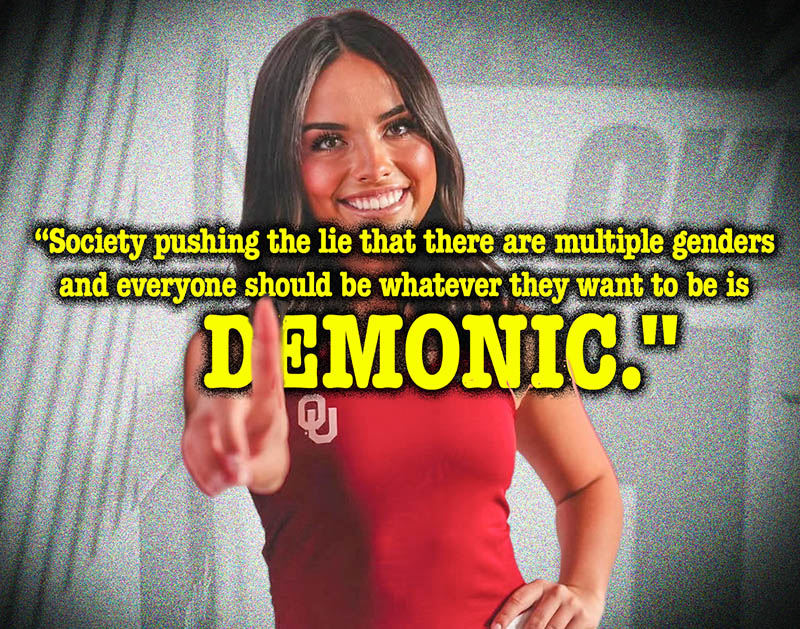
In late November, the University of Oklahoma placed Mel Curth on administrative leave after the transgender graduate teaching assistant gave a student a zero on an essay about gender roles.
The essay cited the Bible to defend traditional gender roles and described transgender people as "demonic." Curth and the course's instructor, Megan Waldron, said the paper failed to meet basic academic standards due to a lack of empirical evidence. Both noted that the paper cited no scholarly sources and failed to offer an evidence-based critique of the assigned article, which argued that children who do not conform to rigid gender stereotypes are more likely to face bullying and negative mental health outcomes.
These are challenging times for news organizations. And yet it’s crucial we stay active and provide vital resources and information to both our local readers and the world. So won’t you please take a moment and consider supporting Metro Weekly with a membership? For as little as $5 a month, you can help ensure Metro Weekly magazine and MetroWeekly.com remain free, viable resources as we provide the best, most diverse, culturally-resonant LGBTQ coverage in both the D.C. region and around the world. Memberships come with exclusive perks and discounts, your own personal digital delivery of each week’s magazine (and an archive), access to our Member's Lounge when it launches this fall, and exclusive members-only items like Metro Weekly Membership Mugs and Tote Bags! Check out all our membership levels here and please join us today!

 Tens of thousands took part in today’s Belgium Pride in historic Brussels. This year, Belgium is celebrating two symbolic anniversaries: 10 years since the introduction of same-sex marriage, and seven years since the legalization of adoption for same-sex couples, at a time when this debate is still dividing its French neighbor. Learn more about Brussels at VisitBrussels.be.