As has probably been clear of late, my mood regarding current politics is best described as fatalistic. The recent Republican power play over Supreme Court nominations may have pushed me over the edge and into the belief that the system is beyond repair, but the feeling has been building over years of obstructionism and the growing political civil war that the radical right wants so badly.
So it’s worth asking why, given my current lack of faith in positive outcomes, I’m still committed to voting in every primary and general election I can make it to.
Back at the tail-end of the 1990s, when President Bill Clinton was riding his impeachment scandal to sky-high approval ratings, the thought of a Bush restoration via George W. Bush seemed a little on the inconsequential side. I remember thinking and saying, to paraphrase the past, “How bad could it be?”
That was a question we didn’t need answered.
I voted for Al Gore in 2000 but I honestly didn’t take the election all that that seriously. At least until Florida, Ralph Nader, and Bush v. Gore.
So these days I take all elections seriously, even if the political system itself seems broken.
Here’s why. The current crack-up at the national level has roots going back to the Civil Rights era and beyond. You can’t really understand where we are now without understanding why Southern Democrats bolted for the Republican party rather than support equal rights for black Americans; Richard Nixon’s southern strategy and appeals to the so-called silent majority; or the religious right’s relentless focus from the 1970s onwards on winning local elections to school boards and city councils.
That last one is particularly relevant. The religious and radical right have been able to leverage the system so that, through control of state legislatures and resulting gerrymandering of congressional districts, a minority of the country is able to exert near total control of Congress. That’s why Barack Obama won the presidency with a majority vote twice, yet Capitol Hill remains a Republican stronghold. It’s the result of decades of work and patience by people who took their elections very, very seriously.
There’s nothing wrong in theory about divided government — a democracy means people are free to vote for different parties in different situations. Where it goes wrong is when one side of that divide refuses to accept the legitimacy of the other — a distinct problem with Republicans under Clinton that has reached its nadir under Obama. In that case, you end up with the legislative branch of government holding the judicial branch hostage to delegitimize the executive. All of which is about two short steps away from being a failed state.
[polldaddy poll=9323633]
That’s why I will still vote. Repairing today’s fiasco will likely take decades. It will definitely take voters in the center and on the left taking their local elections as seriously as they do presidential elections. It will take effort to make sure as many people vote as possible, even as state legislatures try to turn them away.
The horror show that is the Republican presidential primary means I will be getting out to vote both in the Democratic primary and the general election. I’ll vote for Hillary Clinton because I think she’s the best choice of this situation, but I won’t be an ass about it because I want Bernie Sanders’s supporters to vote in the general (and I hope the sentiment will be returned). I’ll be doing what I can to support reasonable people in my state and local elections, because Virginia could frankly stand to be a lot less insane.
It’s not an especially inspirational reason to vote but this isn’t an especially inspirational time. Still, voting does count — so much so that plenty of people are trying to figure out ways to keep you from doing it. That’s reason enough to use it.
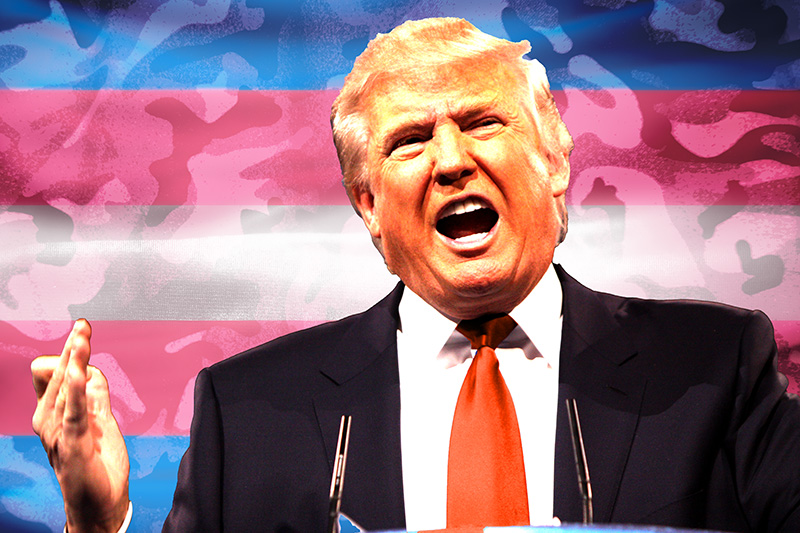
Speaking at a House GOP retreat, President Donald Trump warned that Democrats would seek to impeach him if they regain control of Congress in the 2026 midterm elections.
"f we don't win the midterms, it's just going to be -- I mean, they'll find a reason to impeach me," Trump said. "I'll get impeached."
Trump was first impeached in 2019, after Democrats regained control of the House during his first term, over allegations that he withheld congressionally approved military aid to Ukraine to pressure its government into announcing investigations into his political rival, former President Joe Biden.
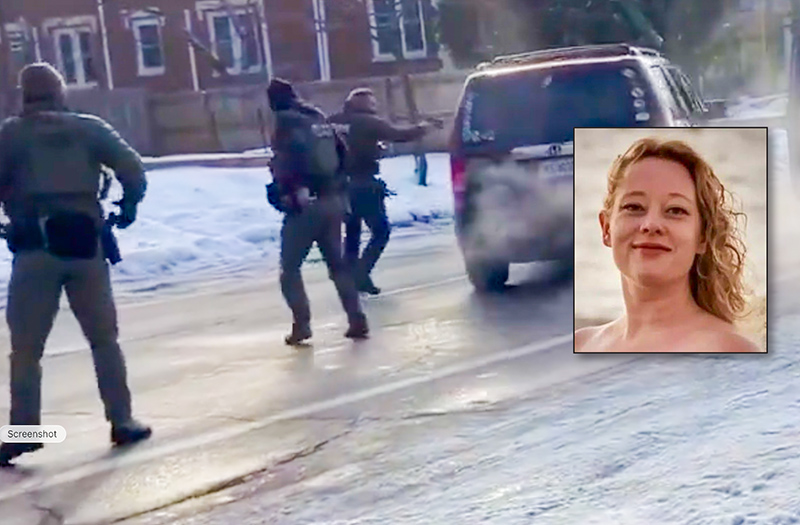
A masked Immigration and Customs Enforcement officer fatally shot a queer woman in Minneapolis after opening fire through the window of her SUV during a confrontation in the street.
Video footage posted online shows two masked ICE officers approaching a Honda Pilot stopped in the middle of Portland Avenue near 34th Street in Minneapolis' Powderhorn neighborhood. One agent can be heard yelling at the SUV's driver -- later identified as 37-year-old Renee Nicole Good -- telling her to "get out of the fucking car" while attempting to open the driver's door, as a second officer stands back.
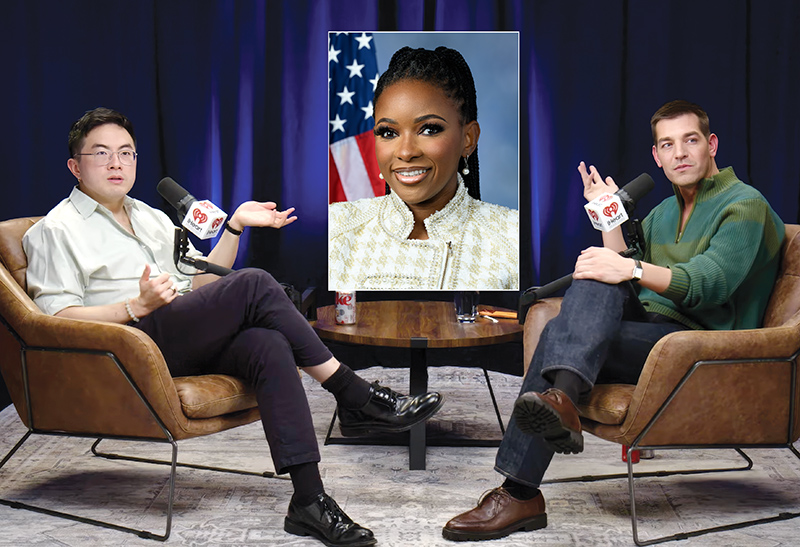
Matt Rogers and Bowen Yang walked back comments they made about this year's U.S. Senate race in Texas, after advising listeners not to "waste" money donating to U.S. Rep. Jasmine Crockett's campaign.
The gay comics made the remarks on the January 7 episode of their Las Culturistas podcast, during a wide-ranging discussion of left-leaning political figures -- including California Gov. Gavin Newsom and former Secretary of State Hillary Clinton -- and the direction of a Democratic Party they described as increasingly rudderless ahead of the 2028 presidential election.
These are challenging times for news organizations. And yet it’s crucial we stay active and provide vital resources and information to both our local readers and the world. So won’t you please take a moment and consider supporting Metro Weekly with a membership? For as little as $5 a month, you can help ensure Metro Weekly magazine and MetroWeekly.com remain free, viable resources as we provide the best, most diverse, culturally-resonant LGBTQ coverage in both the D.C. region and around the world. Memberships come with exclusive perks and discounts, your own personal digital delivery of each week’s magazine (and an archive), access to our Member's Lounge when it launches this fall, and exclusive members-only items like Metro Weekly Membership Mugs and Tote Bags! Check out all our membership levels here and please join us today!

 As has probably been clear of late, my mood regarding current politics is best described as fatalistic. The recent Republican power play over Supreme Court nominations may have pushed me over the edge and into the belief that the system is beyond repair, but the feeling has been building over years of obstructionism and the growing political civil war that the radical right wants so badly.






You must be logged in to post a comment.