The Devil Wears Prada 2: Anne Hathaway, Meryl Streep, and Stanley Tucci – Photo: Macall Polay
To rewatch the 2006 comedy The Devil Wears Prada is to reaffirm how delectably good Meryl Streep was in the role of imperious, impatient boss from hell Miranda Priestly.
Building on Aline Brosh McKenna’s snappy script, and the underlying iconography of a character that The Devil Wears Prada novelist Lauren Weisberger based on her former boss, legendary Vogue editor-in-chief Anna Wintour, Streep created her own iconic fashionista.
Calm, composed, and deadly with a withering glance or a put-down, Miranda Priestly was a masterclass comic performance, deservedly earning Streep her 14th Oscar nomination (of 21, so far). Now, Streep, screenwriter McKenna, and returning director David Frankel are building on their own iconography in The Devil Wears Prada 2, with good-to-mixed results.
Weisberger published a sequel novel, Revenge Wears Prada: The Devil Returns, but this film — sensibly, I’d say, after perusing that book’s synopsis — goes its own way, reuniting Streep’s Miranda and Anne Hathaway’s aspiring journalist Andy Sachs in an original story that feels true to the world formed in the first movie.
It’s been an eventful 20 years for Miranda, and for Andy, who’s now a successful serious journalist at fictional newspaper The New York Guardian. Although, success can be hard to measure in the fading newspaper industry. The film opens with Andy up for a prestigious journalism award one minute, and fired, along with a slew of her colleagues, the next.
The dramatic turn of events, and a few fortuitous phone calls, land Andy back at fashion magazine Runway, where Miranda Priestly still reigns supreme. However, the Ice Queen of Fashion’s crown is slipping.
The film thoroughly maps out how the media landscape is shifting — and not in Miranda’s favor. Print magazines, including top fashion magazine Runway, don’t wield the cultural cachet, or industry sway, they once did.
Budgets at Runway for shoots and expenses are way tighter, and Miranda has to lead her team in developing digital and online brand extensions that weren’t even conceived of when she first started. After a grave public misstep damages hers and the magazine’s credibility, she might even be canceled altogether.
Bringing the franchise’s lofty queen so low is a smart move for the sequel, at least in the sense it affords the character, and Streep, more grit to work into Miranda’s polished image. Miranda is softer and humbler here, conscious of her age, yet as resilient as ever. We see her gain in self-awareness as the story unfolds. She’s fascinating, just not as sharply funny as she was the first time.
The humor overall is softer and gentler, and not as quotable. Those venomous barbs, usually at Andy’s expense, tease but don’t draw blood this time — even as delivered by Stanley Tucci, returning as stalwart, sexless Runway art director Nigel. Perhaps the duller edge is where the film feels the loss of Weisberger’s firsthand knowledge of the real deal.
Yet, in this gentler atmosphere, the movie uncovers a fun, new dynamic as Andy acquits herself as more of a peer to Miranda and less of a cowed underling. Hathaway gives her a thicker skin, but Andy still instinctively defers to her former boss. The movie deftly spins comedy from her gradually seeing Miranda in a new light, woman to woman.
She even gets to see her in semi-relaxed weekend mode, during a soirée at Miranda’s house in the Hamptons. Frankel serves up the film’s funniest montage in a few shots casually revealing the party’s comically eclectic assemblage of celebrity guests.
The filmmakers don’t forget the franchise’s commitment to a fantasy of glamour and luxury to go with the hard work and aching insecurity. Andy features again in a montage cut to Madonna’s “Vogue,” showing off her fashionable new outfits, now while on a trip to Milan. Rich and famous faces stroll into view in lavish party set-pieces, and walk the blue carpet for Runway‘s Spring Floral Gala at the Met.
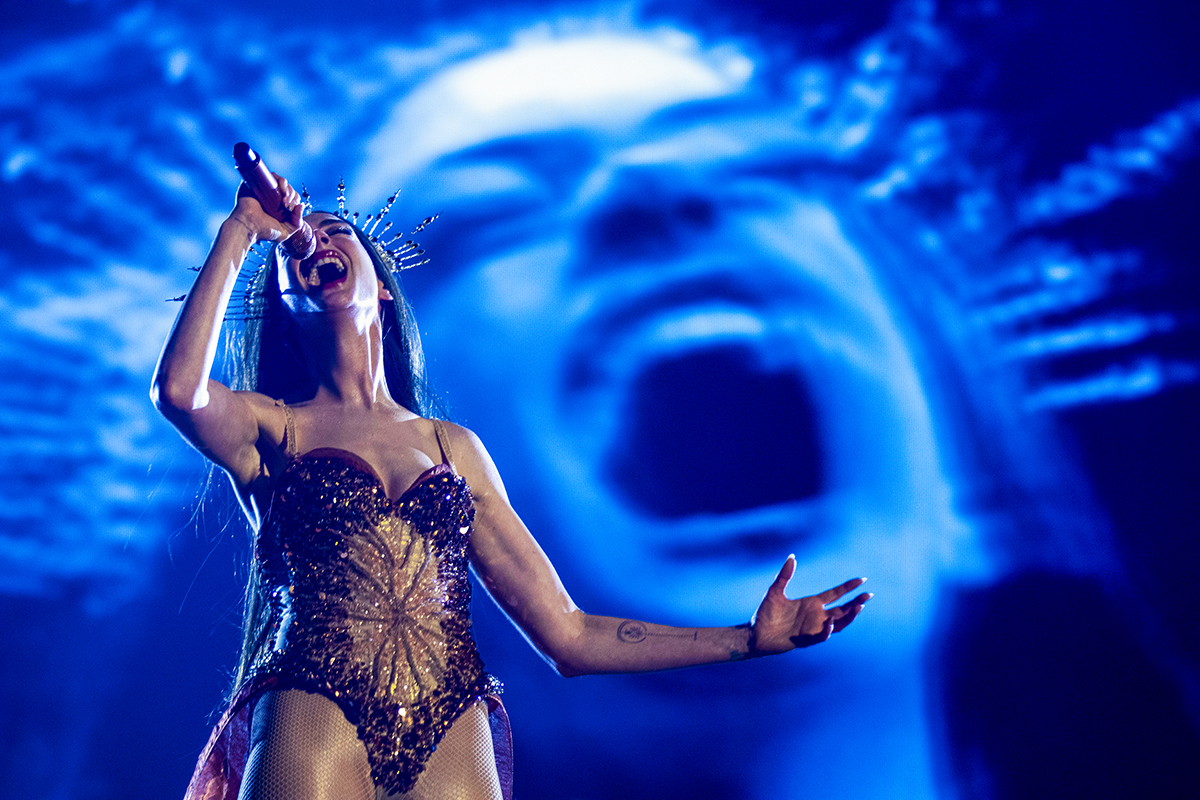
Lady Gaga pops in for an amusingly irritated cameo, leading into a full-on performance of her previously unreleased “Shape of a Woman.” Awash in music and star power — from Gaga to Streep to Emily Blunt, still keenly cutting as Miranda’s former assistant-turned-potential adversary Emily — the film consistently engages, even while the plotting feels at times half-hearted.
Andy’s super-basic, side-plot romance with real estate contractor Peter, played in a charisma-free performance by Patrick Brammall (Colin from Accounts) is this movie’s black hole. No light enters or escapes. No rapport ripples anywhere across the screen.
For a genuinely felt rapport, thankfully, Hathaway and Streep give us Andy and Miranda navigating their new relationship. Both confident in their abilities, if not their professional standing, they’re on more equal footing, and more interesting for it, as they each fight through humbling setbacks to stay relevant and empowered.
The Devil Wears Prada 2 (★★★☆☆) is rated PG-13 and playing in theaters nationwide. Visit fandango.com.
By the grace of good timing, both Anne Hathaway and Michaela Coel have better movies out this season than David Lowery's tiresome drama Mother Mary.
Those talented actresses, their fans, and certainly their agents, should be glad if audiences catch their work in The Christophers or The Devil Wears Prada 2, and not just this pretentious, if lushly designed, go-nowhere glimpse behind the curtain of pop superstardom.
Hathaway and Coel aren't the problem. They are fully committed to whatever it is that The Green Knight writer-director Lowery intends in depicting the emotionally fraught reunion between Mother Mary (Hathaway), a Lady Gaga-Dua Lipa-coded pop diva, and Sam Anselm (Coel), the fashion and costume designer whose eye-popping looks helped define Mary's image earlier in her career.
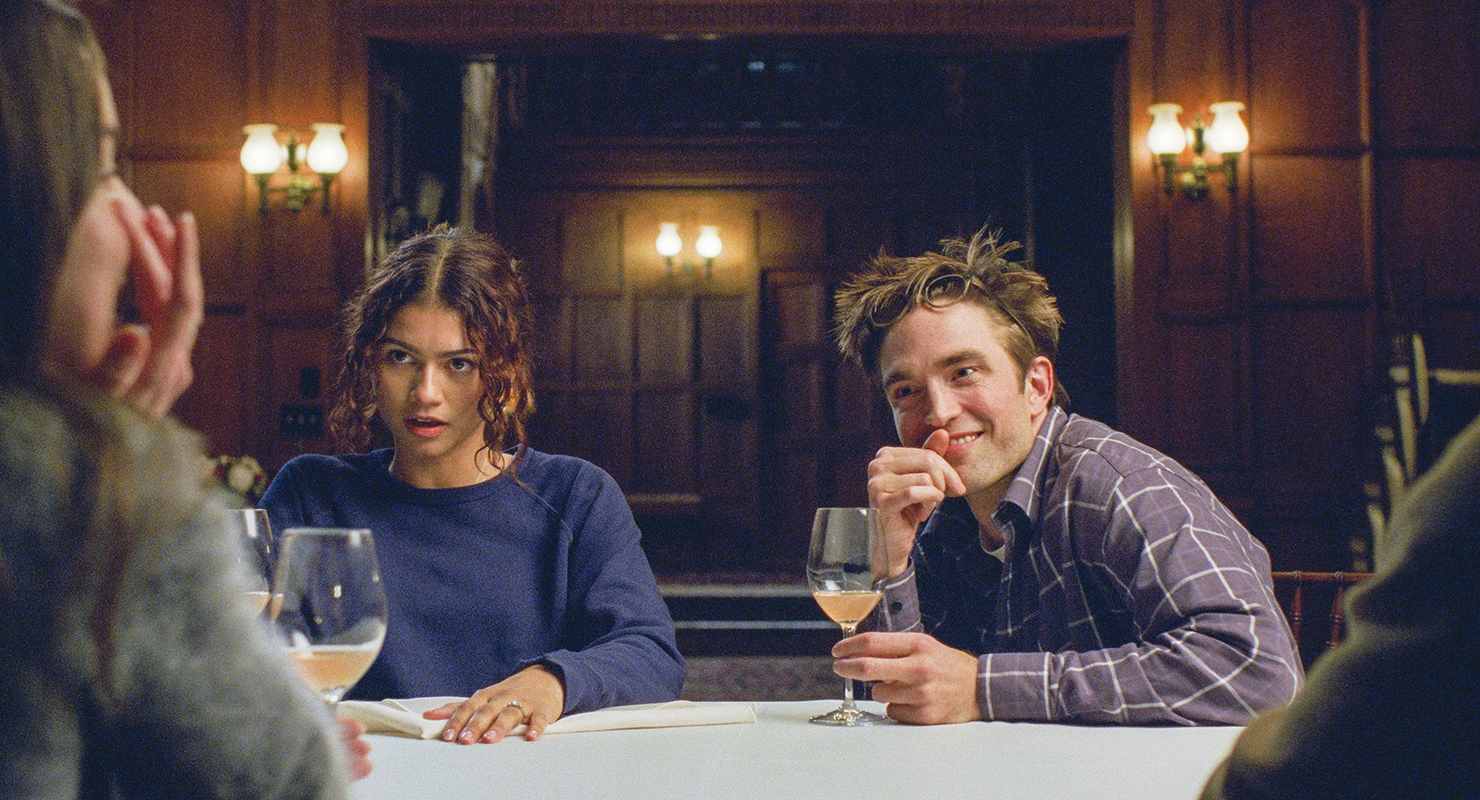
Lesson number-one for prospective brides and grooms: if you feel tempted to play a game of Truth-or-Dare right before your wedding day, just don't. Emma and Charlie learn that lesson the hard way in The Drama, a wickedly funny comedy from Norwegian writer-director Kristoffer Borgli (Sick of Myself).
The engaged couple, truth be told, play a slightly different game of true confessions. It goes horribly awry after one of them spills a revelation too shocking and disturbing to ignore.
The confession lights a fast-burning fuse on a stick of dynamite that might blow up the happy couple's special day, and their whole relationship. Will they or won't they stay together to make it down the aisle?
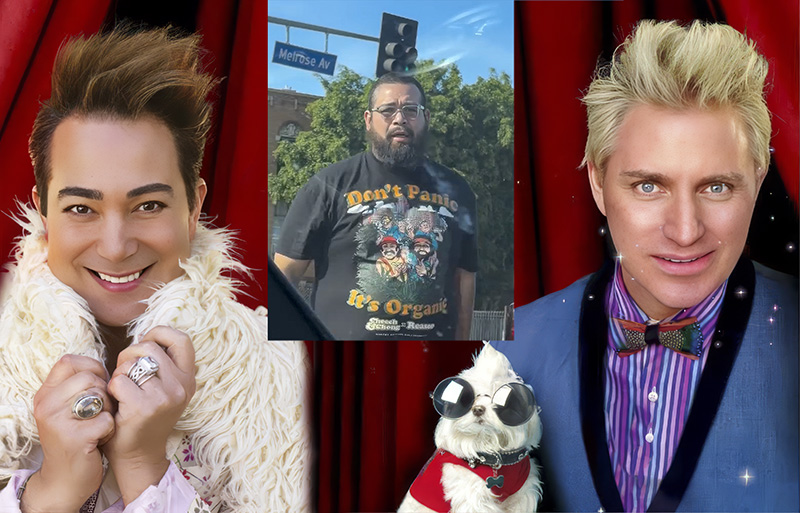
A gay couple who star in a fashion-focused reality TV series have shared video of an unknown man attacking their car in an apparent fit of extreme road rage.
Patrik Simpson and Pol' Atteu, who co-host the Amazon Prime series Gown and Out in Beverly Hills and the Undressed podcast, say they were driving on Sunday, March 29, between 9:20 and 9:30 a.m. when, while stopped at the intersection of Melrose Avenue and Vine Street in Hollywood, the driver of a gray Toyota 4Runner with a roof rack blocked their vehicle.
These are challenging times for news organizations. And yet it’s crucial we stay active and provide vital resources and information to both our local readers and the world. So won’t you please take a moment and consider supporting Metro Weekly with a membership? For as little as $5 a month, you can help ensure Metro Weekly magazine and MetroWeekly.com remain free, viable resources as we provide the best, most diverse, culturally-resonant LGBTQ coverage in both the D.C. region and around the world. Memberships come with exclusive perks and discounts, your own personal digital delivery of each week’s magazine (and an archive), access to our Member's Lounge when it launches this fall, and exclusive members-only items like Metro Weekly Membership Mugs and Tote Bags! Check out all our membership levels here and please join us today!





You must be logged in to post a comment.