On November 7, one of the most highly-anticipated celebrity memoirs in recent memory finally arrived — years after it was first teased — and it’s chock full of tales the LGBTQ community will surely salivate over.
Barbra Streisand’s book My Name Is Barbra arrived in stores on Tuesday, and it took up a lot of space. The memoir comes in at just under 1,000 pages, which makes it an intimidating read for anyone who doesn’t identify as a super fan of the EGOT winner.
The book covers her decades in the spotlight, and she touches on many of the songs, shows, and movies that people still remember and love to this day.
Ahead of the release of My Name Is Barbra, People shared several excerpts that should get any Streisand lover — and even those who don’t already identify as such — interested in the book.
One short snippet published by the magazine shows the superstar speaking of her relationship with another gay icon — Judy Garland.
The two singers and actors spent some time together during their time as stars, but they are perhaps best remembered for their performance of a medley of “Happy Days Are Here Again / Get Happy” on Garland’s TV variety show.
If you haven’t that duet, check it out below, as it’s required viewing for all gay men.
Here is the excerpt in full:
“People were looking for some sort of rivalry between us. And when they couldn’t find anything, they made it up. I found Judy to be completely generous. We sang a medley of songs, taking turns, and she wasn’t just focused on herself. She watched me and responded to me. She would reach out and brush back a strand of my hair, like a mother. And Judy’s own daughter, Liza Minnelli, says that her mother’s first reaction on hearing me sing was to say, ‘I’m never going to open my mouth again.’ She was like that, very self‑deprecating. And deeply vulnerable.
“Judy and I became friends. We spoke on the phone, and she came to one of the rare parties I gave at my New York apartment (four in thirty‑five years). I think she arrived late. And I remember her saying something I never quite understood: ‘Don’t let them do to you what they did to me.’ I should have asked her what she meant, but I didn’t want to appear too nosy.
Six years after we did [The Judy Garland Show], she was dead at the age of forty‑seven. What a tragedy . . . and such a loss. She was an extraordinary talent.”
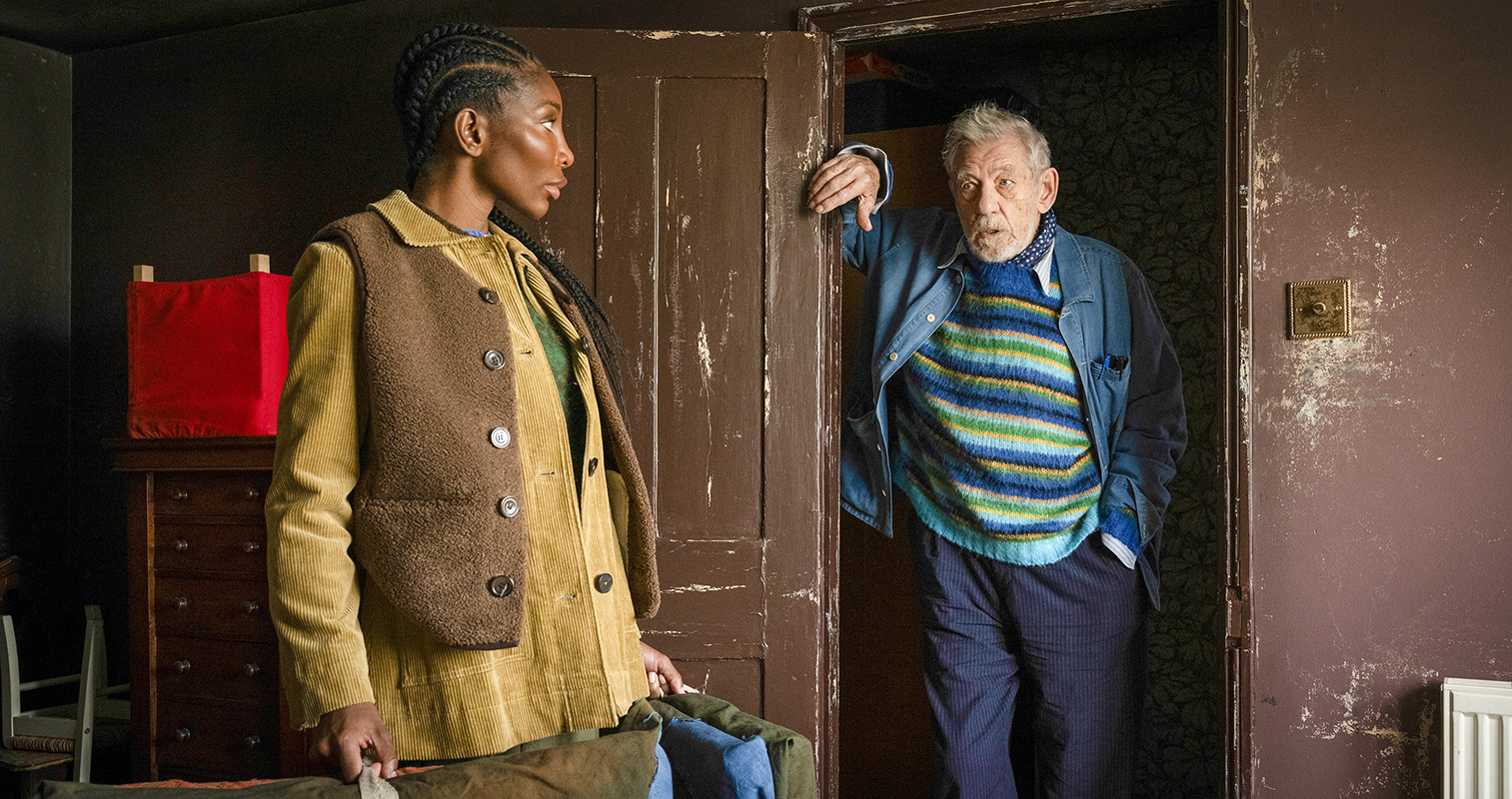
Soon to return to mastering magnetism in Marvel's Avengers: Doomsday, and to Middle Earth in next year's The Lord of the Rings: The Hunt for Gollum, Sir Ian McKellen works a totally different screen magic in The Christophers.
Playing rascally rich and famous painter Julian Sklar, McKellen chows down on a meaty part that swings from acid-tongued bluster to tender vulnerability, often in the space of one or two lines of dialogue. Julian is an aging diva who won't be tamed but needs to be loved, and he wants to remain relevant, somehow.
Directed by Steven Soderbergh, and elegantly scripted by Ed Solomon, The Christophers peels back layers of real truth about aging while working, while being an artist, while being bisexual, among other qualities, and wraps it in a bright, suspenseful caper about a plot to swindle Julian.
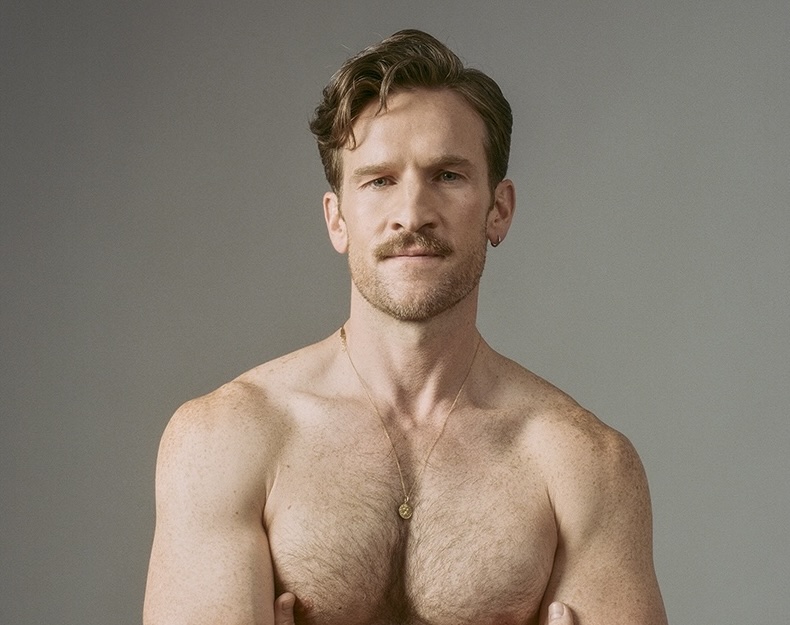
In an already storied career on stage and screen, Claybourne Elder has earned Grammy, SAG, and Drama Desk Award nominations, sung with symphony orchestras and Broadway divas, and soloed at Carnegie Hall.
Yet, the performer, known for theater roles on and off Broadway, and as the ill-fated John Adams on HBO's The Gilded Age, had never released a solo album, until now, with his sparkling debut If the Stars Were Mine. The question for some might be, if not necessarily what took so long, why now?
"I think that there have been several times I'd thought about doing it," Elder tells me during a relaxed chat over Zoom. "And I was like, 'Oh, no. I mean, who wants to listen to it?' The kind of imposter syndrome gets to you, and you're like, 'Well, I don't want to.'" There's also the challenge, he acknowledges, of working out what you might want to say over an album's worth of songs.
It's the end of the world as we know it in the rousing sci-fi adventure Project Hail Mary, but gutsy middle school science teacher Ryland Grace feels fine. Portrayed by Ryan Gosling with a perpetual smile in his cheeks and a wisecrack ever at the ready, Grace faces danger armed with his doctorate in Molecular Biology and an unflappable sense of humor.
Both attributes factor into Grace being singled out as "The One Scientist on the Planet Who Can Save Us," entrusted by an international coalition of governments with solving a molecular-level threat to life on Earth.
Not that he, nor the film, based on the novel by Andy Weir (The Martian), stay grounded on terra firma. His mission largely entails hurtling through deep space, rendered with stunning depth and vastness by co-directors Phil Lord and Christopher Miller, via excellent cinematography by Greig Fraiser and production design by MCU stalwart Charles Wood.
These are challenging times for news organizations. And yet it’s crucial we stay active and provide vital resources and information to both our local readers and the world. So won’t you please take a moment and consider supporting Metro Weekly with a membership? For as little as $5 a month, you can help ensure Metro Weekly magazine and MetroWeekly.com remain free, viable resources as we provide the best, most diverse, culturally-resonant LGBTQ coverage in both the D.C. region and around the world. Memberships come with exclusive perks and discounts, your own personal digital delivery of each week’s magazine (and an archive), access to our Member's Lounge when it launches this fall, and exclusive members-only items like Metro Weekly Membership Mugs and Tote Bags! Check out all our membership levels here and please join us today!






You must be logged in to post a comment.