It’s hard to quantify quite what effect Two of Us will have on you. Filippo Meneghetti’s film is not a typical love story, nor is it a typical drama. It doesn’t beat its audience over the head with exposition, nor does it grant them full access to everything occurring within its various set pieces. It is a bleak film filled with sadness, regret, and guilt, and yet also one punctuated by love and passion, and with moments of joy and humor.
Co-written by Menehjetti and Malysone Bovorasmy, Two of Us (★★★★★) follows an older lesbian couple, Nina (Barbara Sukowa) and Madeleine (Martine Chevallier), who have kept their relationship hidden for decades, but now, after the death of Madeleine’s husband, are free to sell their neighboring apartments and leave France for Rome, where they first met. All they need is for Madeleine to break the news to her children — a task halted by insecurity and uncertainty, leading to a tense falling out between her and Nina.
A vicious exchange during that falling out plunges Nina into despair after Madeleine suffers a stroke, her children assigning a caregiver, their truth and life together left unspoken. Forced to watch from across the hall as her lover slowly recuperates, guilt and desperation eat away at Nina as she tries desperately to find reasons to see and spend time with Madeleine.
Two of Us quietly, devastatingly unpicks the ties that bound Nina and Madeleine’s life together, keeping it from view of the outside world. Sukowa delivers a master class performance, switching on the fly between any number of emotions — elation at Madeleine’s progress, anger at being kept from her, deep-rooted love in small moments of tenderness with her life partner.
Two of Us — Photo: Courtesy of Magnolia Pictures
One particularly notable scene takes place the first night Madeleine returns from hospital, as Nina must remain in her apartment and look at empty cupboards and bare rooms, her entire life clearly lived across the hall with Madeleine. Forced to eavesdrop and peer out of her peephole to figure out what’s going on, Meneghetti keeps the audience in the dark and on edge alongside Nina, as she quietly tiptoes across the hall and into Madeleine’s apartment — her apartment — to sit with her, or share memories with her, or climb into their bed and hold her tightly.
The narrative’s masterstroke is that it continues to unspool, stretching things further as Madeleine’s daughter Anne (Léa Drucker) discovers uncomfortable truths about her mother, and further separates Nina from Madeleine — which in turn only increases Nina’s desperation. The film often descends into dark places, such as Nina’s nightmares while in bed alone. In one deeply unsettling moment, Anne tells Nina that her mother only had one true love, her abusive father, who “tyrannized” Madeleine, while Meneghetti zooms into Madeleine’s open, unblinking eyes, as she sits between Anne and Nina at the table. Credit is also due to Chevallier for her performance as a silent, recovering Madeleine, seeing her life manipulated and maneuvered without her consent, unable to stop her separation from Nina despite evidence of its harm. With a simple glance, Chevallier conveys a thousand unspoken words.
With Two of Us, Meneghetti delivers not only one of the most compelling lesbian films ever made, but does so while also tackling aging, the secret lives many LGBTQ people lead, and the lengths some will go to in order to protect those they love. It is an incredibly moving, richly conveyed, powerfully acted, and beautifully constructed film that everyone should see.
Two of Us opens in theatres on Friday, Feb. 5, and is available on streaming and at virtual cinemas, including The Avalon. Visit www.theavalon.org.
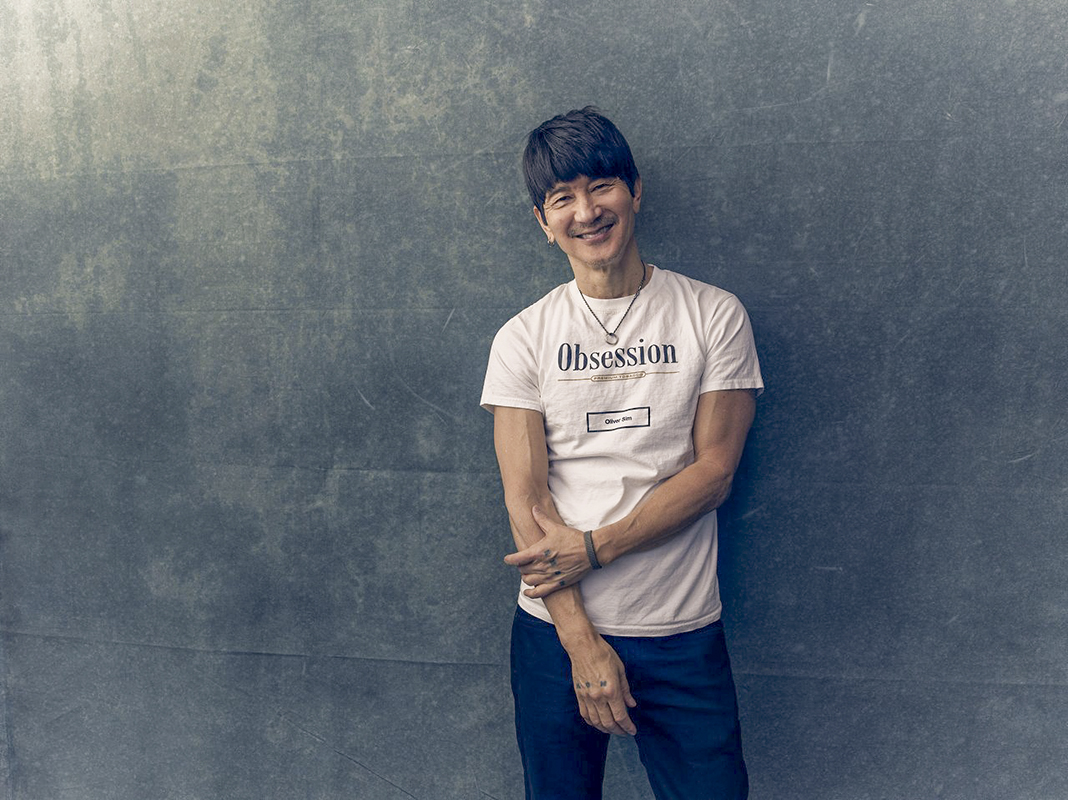
"I want people to enjoy themselves," says Gregg Araki of his newest blast of a film, I Want Your Sex, in which a starkly gorgeous Olivia Wilde plays a super-trendy abstract artist -- she makes vaginas out of chewed pink bubble gum -- who takes her latest employee, a doe-eyed innocent played by Cooper Hoffman, on a carnal thrill ride that blurs the line between sexual harassment and sensual awakening.
"I remember when we first started screening the film when I was still working on the edit," says Araki, 66, "and people were surprised by how friendly it was. The sensibility behind I Want Your Sex is fun and pop. I want to bring a little bit of joy into the world."
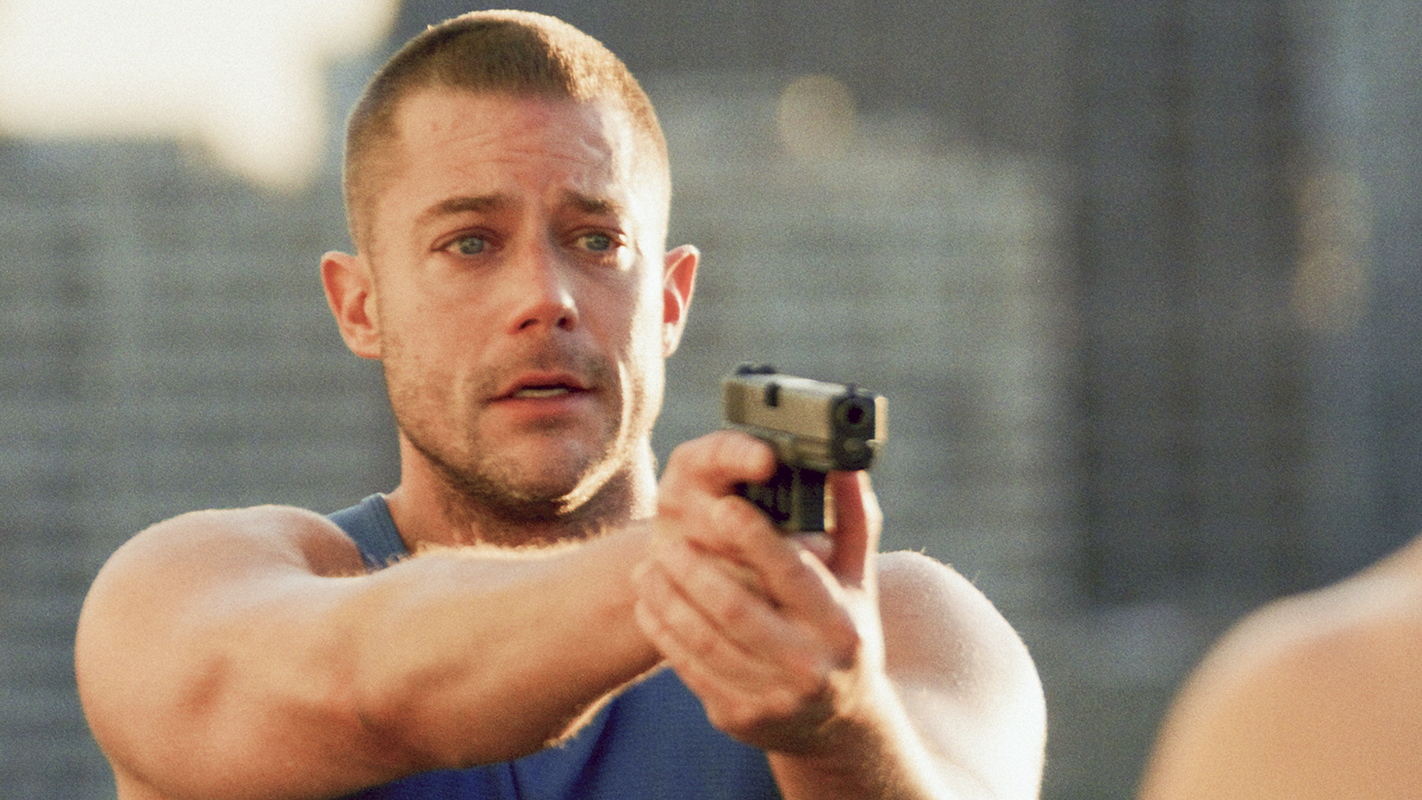
Filmmaker Dean Francis makes B-movie bunk occasionally look alluring in Body Blow, a queer neo-noir about a closeted cop who goes rogue. The journey from good apple to total outlaw, however, is more a short dash for Officer Aiden.
Tim Pocock (X-Men Origins: Wolverine), giving as wooden a performance as you'll ever see, stars as the suburbanite constable, still fresh to the force and reassigned to a unit in Sydney's gay district. Neon-lit and framed like an '80s music video by cinematographer Franc Biffone, it's an impressively seedy side of the city.
Seemingly everybody is in on some form of crime or corruption. That might include Sgt. Steele (Sacha Horler, not wooden but not convincing), the lesbian officer who recruits Aiden to go undercover as a gayer-looking, peak-era Jean-Claude Van Damme.
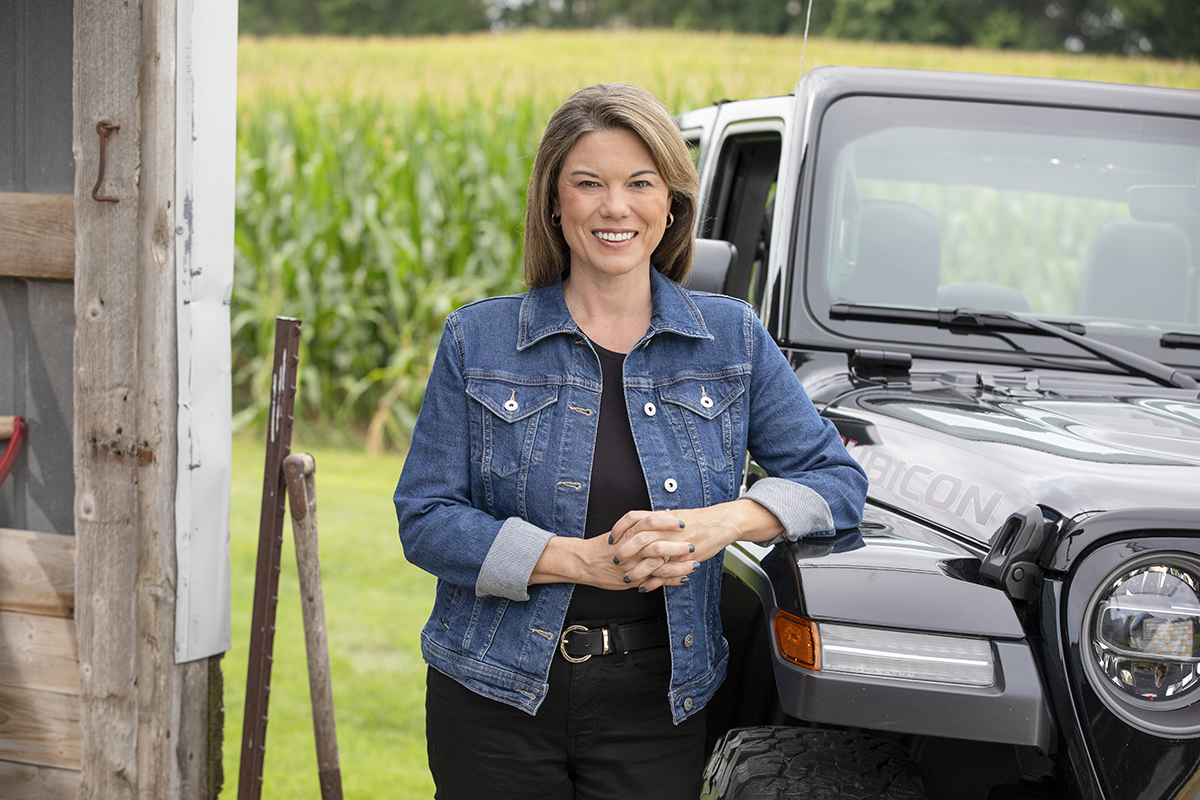
"At my core, I'll always be the kid from the trailer park," says U.S. Rep. Angie Craig, who is running for one of Minnesota's two U.S. Senate seats. "I have a theory that you don't move very far from where you begin, even if you, outwardly, get really lucky and do. So I've always been someone who, as a member of Congress, has been fighting for economic opportunity and good jobs and lowering costs for people."
Craig, whose father was largely absent during her childhood, was raised along with her younger brother and sister by her mother and grandmother in Arkansas. The family, who lived in a mobile home, moved to several small towns throughout the state before finally settling near Jonesboro, a city located about 60 miles from Memphis, Tennessee, when Craig was in seventh grade.
These are challenging times for news organizations. And yet it’s crucial we stay active and provide vital resources and information to both our local readers and the world. So won’t you please take a moment and consider supporting Metro Weekly with a membership? For as little as $5 a month, you can help ensure Metro Weekly magazine and MetroWeekly.com remain free, viable resources as we provide the best, most diverse, culturally-resonant LGBTQ coverage in both the D.C. region and around the world. Memberships come with exclusive perks and discounts, your own personal digital delivery of each week’s magazine (and an archive), access to our Member's Lounge when it launches this fall, and exclusive members-only items like Metro Weekly Membership Mugs and Tote Bags! Check out all our membership levels here and please join us today!







You must be logged in to post a comment.