Camp Miasma: Gillian Anderson and Hannah Einbinder
Jane Schoenbrun makes movies for the weirdos for whom movies are realer than real life. In their films, old films and TV shows are portals to another world, vehicles of escape for characters whose own lives are weighted down by alienation and dysphoria. In 2024’s extraordinarily haunting I Saw the TV Glow, two such characters find solace in a ’90s TV show called The Pink Opaque, whose nightmarish visions, filmed with campy zeal by Schoenbrun, cross over and become realer than the empty contours of their unfulfilled lives.
The filmmaker is deeply attuned to the way pop-culture obsessions can both alleviate and intensify loneliness. It almost feels like a self-fulfilling prophecy; you can easily imagine Schoenbrun’s own films, beginning with 2022’s eerie We’re All Going to the World’s Fair, serving this role, being treasured and passed around by alienated youth the way previous generations latched onto Donnie Darko or The Nightmare Before Christmas. Loneliness seeps through the pores of Schoenbrun’s cinema, but so does the possibility of queer connection and self-actualization.
With the twistedly erotic Teenage Sex and Death at Camp Miasma, Schoenbrun puts another retro-cultural fixation through the funhouse mirror — this time, ’90s slasher movies — and affirms their status as one of the most distinctive American filmmakers of their generation. It’s a fiercely imaginative trip of a film, one that pays homage to an eclectic array of influences — the reclusive Hollywood-in-exile madness of Sunset Boulevard, the blood-drenched gore of Carrie, the trans-panic slasher-horror of Sleepaway Camp (and, previously, Psycho), the dreamlike mystery realm of Mulholland Drive — but still feels like a singular statement that could only have come from Schoenbrun’s brain.
Though not a trilogy in the conventional sense, their three films loosely follow a linear progression of queer awakening. In World’s Fair and I Saw the TV Glow, we get visions of isolated adolescence and stunted young adulthood, respectively. Teenage Sex and Death at Camp Miasma depicts a character on the other side of that anguished search for self, in her late 20s and established in her career, yet still struggling with intimacy and dissociation. Naturally, this being a Schoenbrun joint, she submerges herself in pop-cultural detritus, namely, horror movies.
It doesn’t take a shrink to sense some parallels between that protagonist, Kris, a burgeoning director of some arthouse renown (her previous film is described as “Psycho from the perspective of the shower curtain”), and Schoenbrun themself. Like Schoenbrun, Kris, played with a nervy, self-deprecating wit by Hacks it-girl Hannah Einbinder, is a horror connoisseur; in an early scene, she watches an old slasher film on a dilapidated hotel DVD player and scribbles “DESIRE” in her notebook.
Kris has been assigned to reboot a problematic ’90s slasher franchise called Camp Miasma, but she doesn’t want to make “a remake of a remake of a remake.” Eager to revitalize the stale franchise, she hatches an idea to cast the actress from the original film, Billy Presley — then an up-and-coming scream queen, now a stoned recluse living alone on the actual property where Camp Miasma was shot.
Kris visits the mysterious and alluring Billy (Gillian Anderson, a vision of frozen-in-time glamour) at her isolated hideaway in deep winter, and Billy treats her to fried chicken, probing questions, and a private screening of her 35mm print of Camp Miasma. “I bought myself a private alternate universe,” Billy drawls, describing the sprawling property, which may or may not be haunted by “Little Death,” the spear-wielding ghost who slaughters counselors in the fictitious franchise.
Camp Miasma: Little Death
An unusual camaraderie develops between the two women and their shared fixation on the past, then a psychosexual entanglement. Though the sex sequences are haunting and intense, some of the most erotic passages are those in which Kris and Billy simply sit in the dark, viewing the original Camp Miasma, the flickering of the vintage print dancing across Billy’s enraptured face.
Structurally, Teenage Sex and Death at Camp Miasma is shaggier and messier than I Saw the TV Glow. The third act flirts a little too much with the dreaded horror-comedy genre, and scenes in which Kris Zooms with studio execs from afar carry a too-obvious satirical tone that momentarily breaks the spell of psychosexual reverie. Yet, in all its narrative twists and metatextual flourishes, it remains a remarkably imaginative exploration of sex, death, and slasher pastiche.
The premise works, in part, because Schoenbrun pours so much detail and lore into making the Camp Miasma franchise seem real. The elegiac opening credits, set to a moody cover of R.E.M.’s “Nightswimming,” capture the franchise’s long-faded popularity with a nostalgic glow: The camera lingers on old Miasma VHS tapes, movie posters, even newspaper clippings and board games. Later, Schoenbrun gives us sepia-toned film-within-a-film sequences, which uncannily parody the genre’s hammy dialogue, semi-predatory sexuality, and goofy gore. These sequences intrude on Kris’s subconscious; during sex, she admits, she imagines herself transforming, becoming a character in the film who falls prey to “Little Death” (yes, like the French term for orgasm).
During a Q&A that followed my screening, Schoenbrun quipped that the movie is “structured to have queer sex with you — which means that before anything happens, we’re gonna talk a lot.” It drew a big laugh, but the filmmaker wasn’t really joking. The film, they explained, was a means of addressing “the mystery of exploring my body and my sexuality post-transition.” Perhaps no other director would use a movie about slicing and dicing camp counselors to process their own sex life. But the personal dimension brings a sincerity that balances out Camp Miasma‘s parodic winks.
Like many queer kids born into the Reagan Eighties, Schoenbrun holds an obvious affection for David Lynch. I Saw the TV Glow struck me as Lynchian not just because of its overt homage to the Twin Peaks Roadhouse, but also because the film burrowed into the quiet malevolence lurking beneath ’90s nostalgia as keenly as Blue Velvet corrupted the kitschy touchstones of Lynch’s youth.
But the Lynch film most strongly evoked by Camp Miasma, with its hallucinatory Hollywood satire, sapphic interludes and erotic charge, is Mulholland Drive. Here, as in Lynch’s masterpiece, reality and fantasy bend into one as the film nears its bloodbath climax, and I mean climax in more ways than one. The screenplay follows its own circuitous dream logic, which makes repeat viewings appealing and perhaps even compulsory.
Like Lynch, Schoenbrun uses filmmaking as a means of burrowing into forbidden corners of their subconscious. And they’ve found an audience eager to come along for the ride.
Teenage Sex and Death at Camp Miasma (★★★★☆) is Rated R and is now playing in New York and Los Angeles. It opens in the Washington, D.C. area on Aug. 14, and fully nationwide on Aug. 21. Visit fandango.com.
George Michael said it best in a song: “Sex is natural, sex is good, not everybody does it, but everybody should.” But should you do it with your boss -- especially if it entails becoming her sex slave?
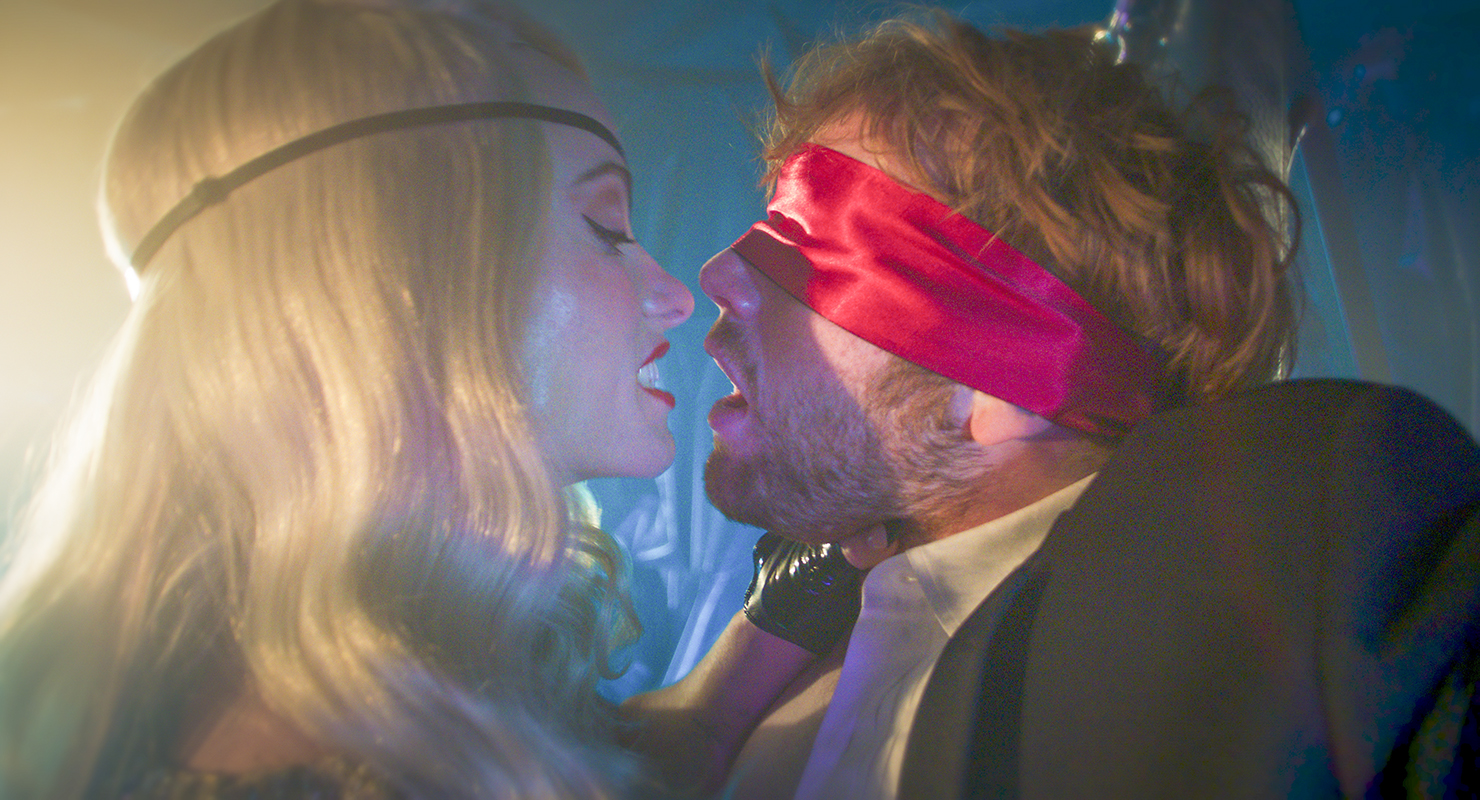
Amusingly awkward artist’s assistant Elliot answers with a resounding “Yes, ma’am” in I Want Your Sex, the latest cinematic provocation from perpetually cool indie filmmaker Gregg Araki.
An audacious post-#MeToo satire of sexual politics and art world absurdity, the film easily might have landed as just a thinly veiled male sex fantasy were it not for Cooper Hoffman’s soulful, vulnerable turn as Elliot, and an endlessly enjoyable Olivia Wilde as his turned-on and totally toxic boss Erika.
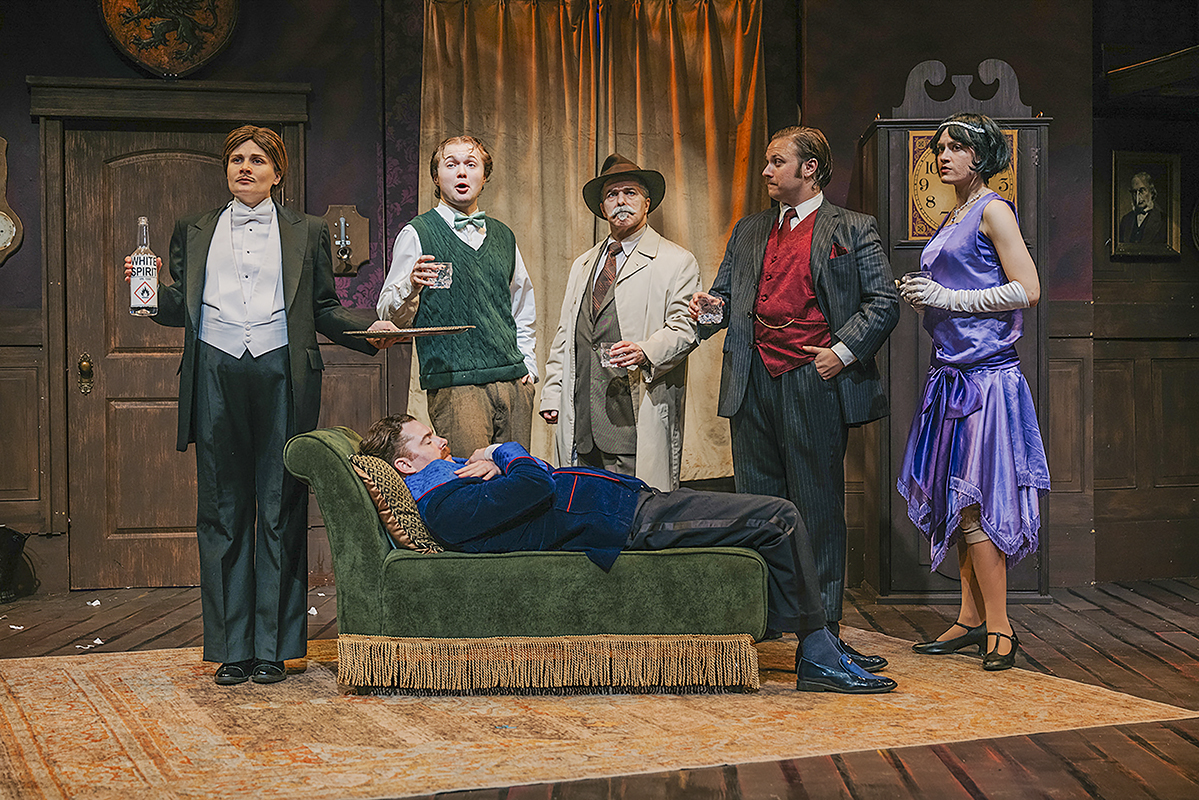
Before it all falls fabulously apart in The Play That Goes Wrong, and every sort of onstage disaster befalls the hapless cast of the play within the play, we have to believe that these members of a local drama society truly believe in their little production that could.
Because they fight hard for it. Even as cues are missed, lines are forgotten, fixtures fall off the walls, and actors are rendered unconscious, this fictional company bands together and wills their show to go on.
That indefatigable determination and showmanship was baked into the comic soufflé by the show's creators Henry Lewis, Jonathan Sayer, and Henry Shields of London's Mischief Theatre Company, and it courses through the gung-ho cast of Keegan Theatre's new production of The Play That Goes Wrong, directed by Michael Innocenti.
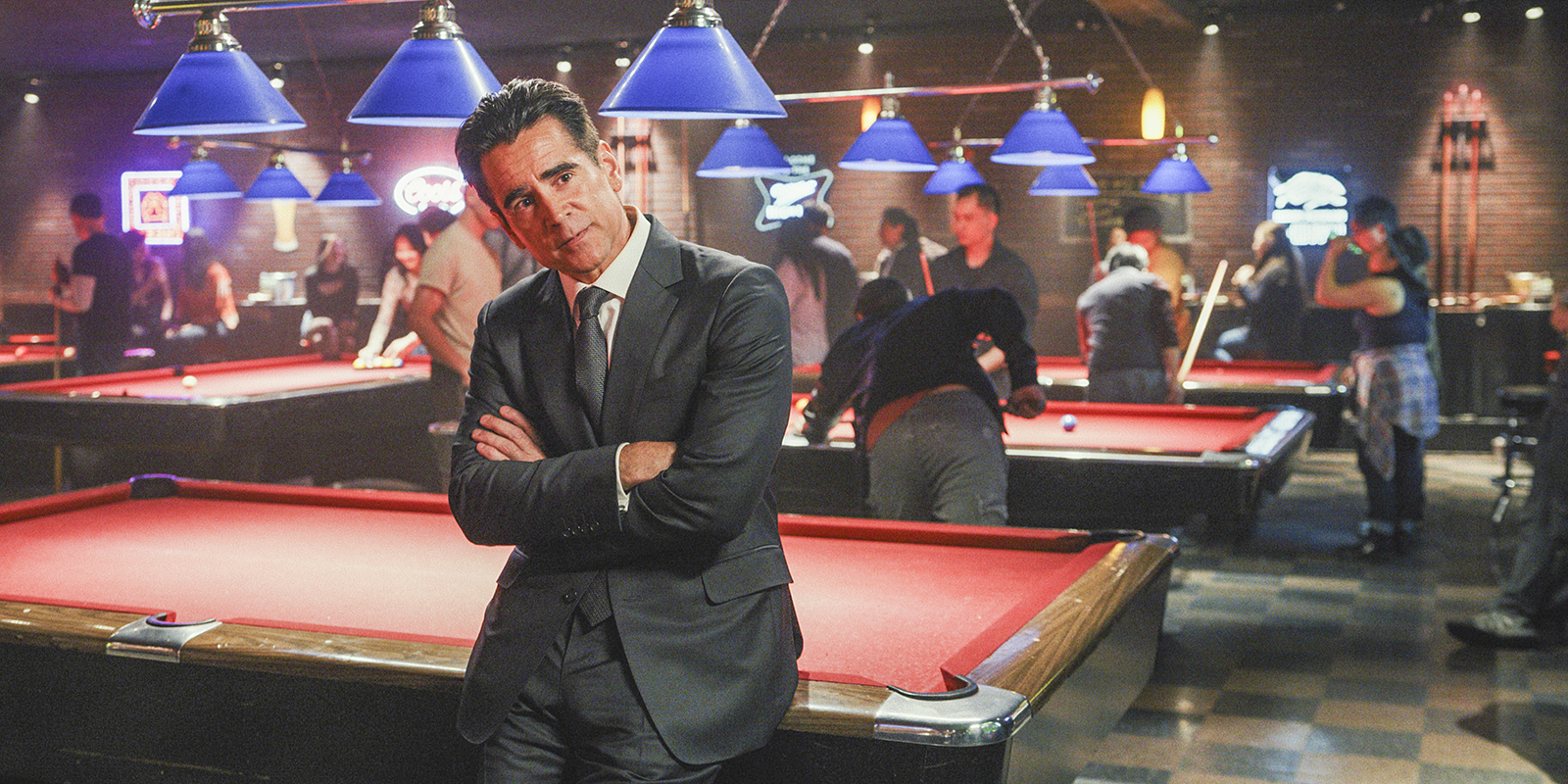
When Sugar arrived in 2024, Apple TV marketed it as a callback to the noir movies of yesteryear. Colin Farrell played John Sugar, a private detective working on a missing person case in Los Angeles. So far, so typical.
What helped set the series apart, though, was Sugar's love for old Hollywood, adding another layer to this homage through clips of classic movies that popped up to show we'd seen all this before. Except, we hadn't.
Because as season one progressed, clues that something different might be going on finally came together with a twist that blew us away. The end of episode six revealed that John was actually a sapphire-skinned alien in disguise, which explained his peculiar little quirks and the odd company he often found himself in.
These are challenging times for news organizations. And yet it’s crucial we stay active and provide vital resources and information to both our local readers and the world. So won’t you please take a moment and consider supporting Metro Weekly with a membership? For as little as $5 a month, you can help ensure Metro Weekly magazine and MetroWeekly.com remain free, viable resources as we provide the best, most diverse, culturally-resonant LGBTQ coverage in both the D.C. region and around the world. Memberships come with exclusive perks and discounts, your own personal digital delivery of each week’s magazine (and an archive), access to our Member's Lounge when it launches this fall, and exclusive members-only items like Metro Weekly Membership Mugs and Tote Bags! Check out all our membership levels here and please join us today!







You must be logged in to post a comment.